Inside JetBrains—the company reshaping how the world writes code
OpenAI
JetBrains is baking GPT-5 into its coding tools, from IntelliJ to PyCharm. Millions of devs get a much sharper AI pair programmer, not just autocomplete.
Based on reporting by OpenAI — read the original for the full story.
Summary, retelling and take written by AI under human oversight; images are AI-generated illustrations. How we work · Report an error
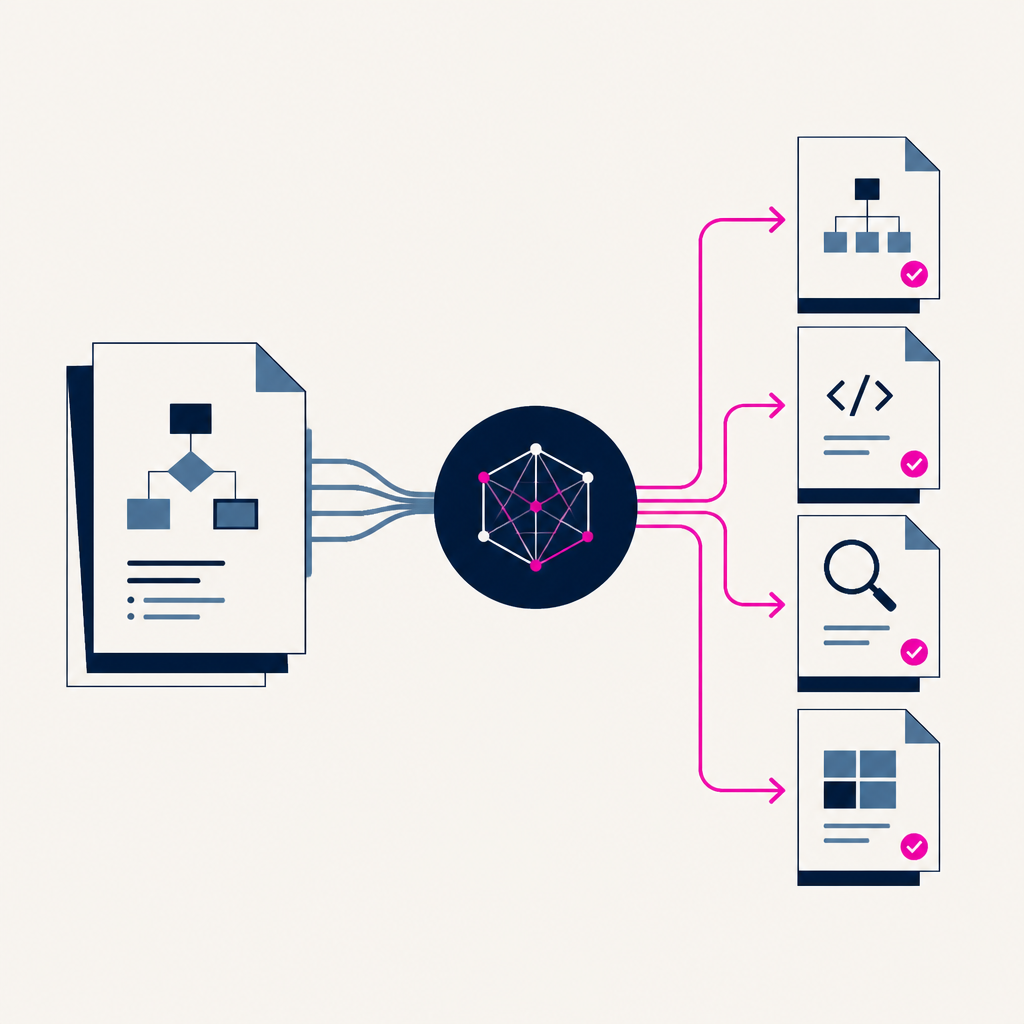
JetBrains has spent two decades building the IDEs that professional developers actually live in — IntelliJ IDEA, PyCharm, WebStorm, Rider, and a dozen others. Now it's wiring GPT-5 straight into that ecosystem through its AI Assistant, and the pitch isn't another autocomplete gimmick. It's meant to help engineers reason through architecture decisions, chase down gnarly bugs, and generate code that actually fits the surrounding project instead of guessing in a vacuum.
What makes this notable is scale. JetBrains tools sit on the machines of a huge chunk of the world's professional coders — people writing Java, Kotlin, Python, JavaScript, C#, and more, often on codebases with millions of lines and years of accumulated cruft. Plugging a frontier model like GPT-5 into that workflow means the AI has to deal with real complexity, not toy examples. OpenAI and JetBrains are betting that tighter integration, closer to where the actual thinking happens, beats a chatbot window bolted onto the side.
The move also says something about where OpenAI wants GPT-5 to live. Rather than positioning it purely as a consumer product or an API for startups to wrap, the company is chasing the unglamorous but massive market of everyday professional tooling. JetBrains has long resisted flashy AI features that promise magic and deliver noise; its user base tends to be skeptical, technical, and allergic to hype. Getting that crowd to trust a model matters more for credibility than another benchmark chart.
None of this guarantees developers will suddenly code twice as fast or that bugs will vanish. Reasoning about a sprawling legacy system is still hard, and an LLM's confidence doesn't always match its correctness. But folding GPT-5 into the tools people already open every morning, rather than asking them to switch context to a browser tab, is a sensible bet on how AI assistance actually gets used at scale.
My take — AI-written commentary, not fact-checked reporting
This is the boring-but-correct version of AI adoption: embed the model where professionals already work instead of chasing another flashy standalone app. JetBrains users are notoriously hard to impress, so if GPT-5 earns their trust it says more about real capability than any leaderboard score does.
Read more about this at: OpenAI