How to Use AI to Make You Better at the Right Things
The Algorithmic Bridge Alberto Romero
A newsletter writer argues AI won't make your core skills better, just your side projects more doable. Basically: AI clears clutter but can't replace judgment you already have.
Based on reporting by The Algorithmic Bridge, Alberto Romero — read the original for the full story.
Summary, retelling and take written by AI under human oversight; images are AI-generated illustrations. How we work · Report an error
Alberto, who runs The Algorithmic Bridge, starts this piece in an odd place: his own graveyard of abandoned drafts. Roughly 700 half-finished essays, some with clever titles and no follow-through, sit there as evidence of a familiar problem. Ambition outpaces execution, and no amount of good intentions fixes that on its own.
He borrows a line from Robert Browning, the one about a man's reach exceeding his grasp, and uses it as the spine of his argument. Writer Venkatesh Rao already applied that idea to AI, describing tools like Claude as a way to become an amateur artist, coder, or roboticist without needing decades of training. Alberto pushes it further. He says AI doesn't just close the gap between ambition and ability, it can let your grasp overtake your reach entirely, since the tools now do things you never even aspired to attempt.
But the piece isn't a pure cheerleading session. Alberto brings in Terence Tao, the mathematician, who told Dwarkesh Patel's podcast that AI has changed how he presents work, not how he solves it. Tao now includes more code and more visualizations in his papers because generating them takes minutes instead of hours. The hard mathematical reasoning, though, the part that actually requires insight, still happens with pen and paper. Rewriting an old 2020 paper with AI assistance didn't save him much time on the core content itself. It just made the packaging richer.
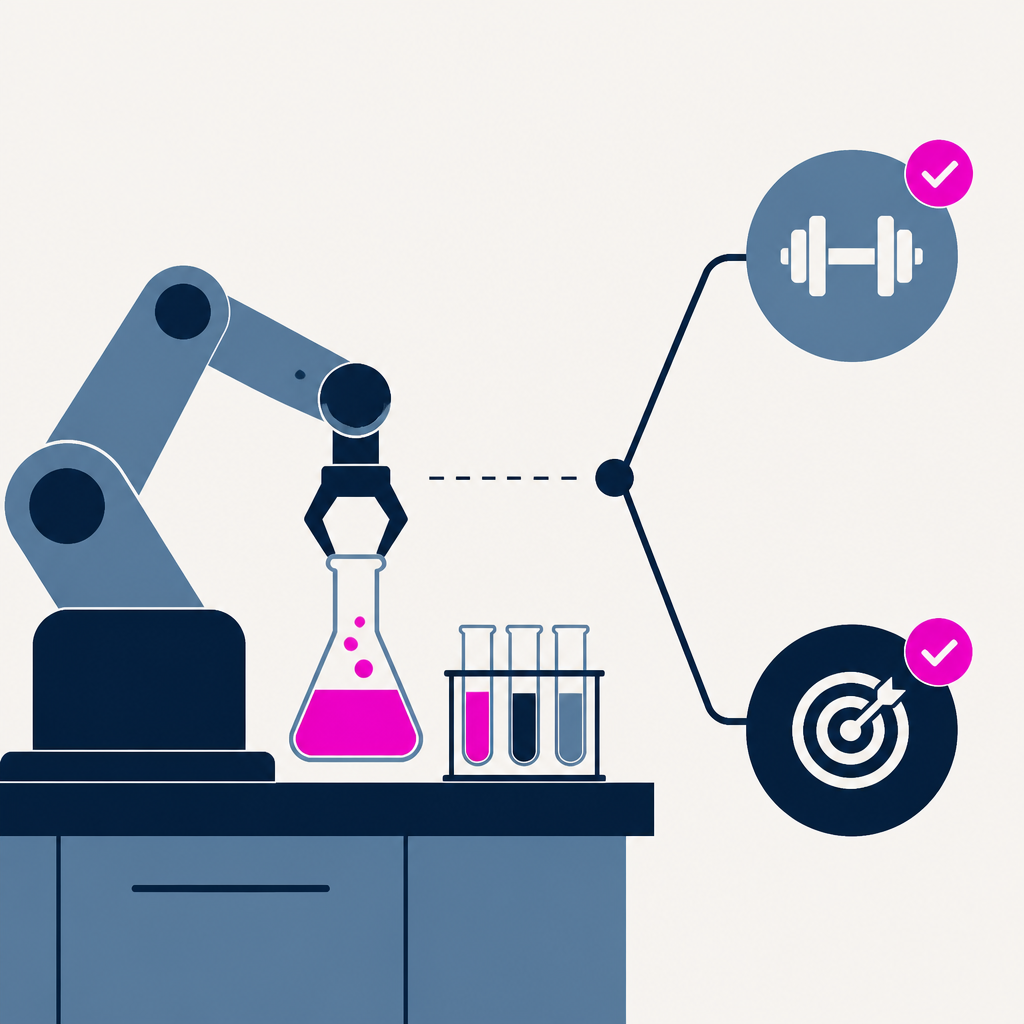
That distinction becomes Alberto's real point. AI expands the periphery of your work; things you'd never get around to otherwise become achievable. But it barely touches the core, the part built from years of specific judgment and taste that no context window can replicate. He calls this an invisible protective layer that all knowledge work carries simply because it's tied to a person's accumulated experience. Push AI toward your deepest expertise and it stalls. Point it at your neglected side interests and it suddenly turns you into a dabbler with real output.
His practical advice follows from that: don't expect AI to sharpen the skill you already have, expect it to unstick the twenty ideas you never had time for. Use it to sort through the mess, suggest angles, draft outlines, then do the actual thinking yourself. It's a modest but oddly clarifying take on where these tools actually help.
My take — AI-written commentary, not fact-checked reporting
This tracks with what I keep seeing across every AI adoption story that isn't hype-driven nonsense: the tool amplifies breadth, not depth, and anyone claiming otherwise is usually selling something. The uncomfortable implication is that AI won't make mediocre experts great, it'll just make dabblers more prolific, which is a much smaller and less marketable promise than Silicon Valley wants you to believe.
Read more about this at: The Algorithmic Bridge