How Meter Pricing Is Testing the Economics of AI
Bloomberg
AI companies are ditching flat subscriptions for pay-as-you-go pricing on their tools. Now businesses actually have to prove their AI spend is worth it.
Based on reporting by Bloomberg — read the original for the full story.
Summary, retelling and take written by AI under human oversight; images are AI-generated illustrations. How we work · Report an error
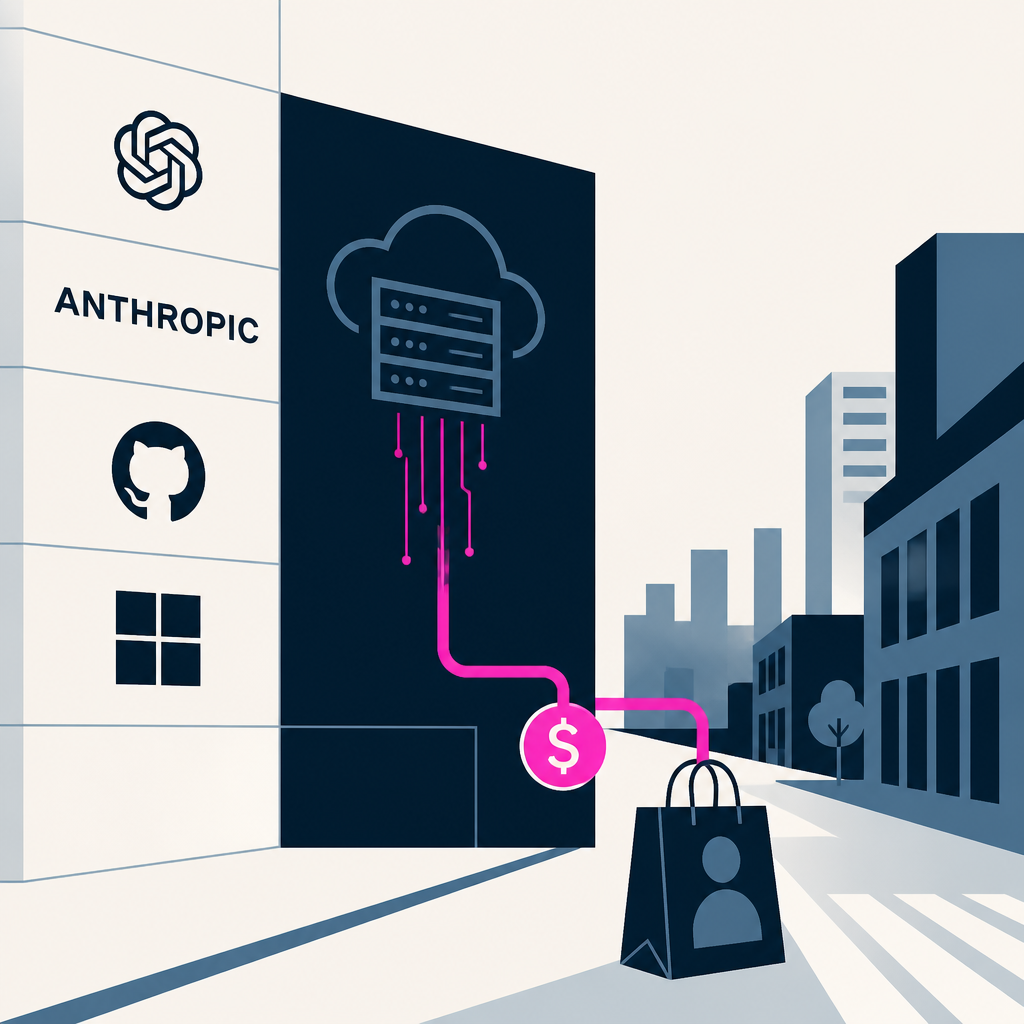
For years, AI subscriptions worked like gym memberships: pay a flat fee, use as much or as little as you want, and nobody really checks the math. That era is quietly ending. A growing number of vendors are shifting toward usage-based pricing, where customers pay per query, per token, or per compute cycle rather than a predictable monthly rate.
The shift sounds like a technical billing detail, but it's actually a pressure test. Flat pricing let companies experiment with AI without confronting the real cost of running it. Meter pricing strips that comfort away. Suddenly, a chatbot that answers ten thousand customer queries a day isn't just a line item on a software budget; it's a variable cost that scales with usage, and finance teams notice.
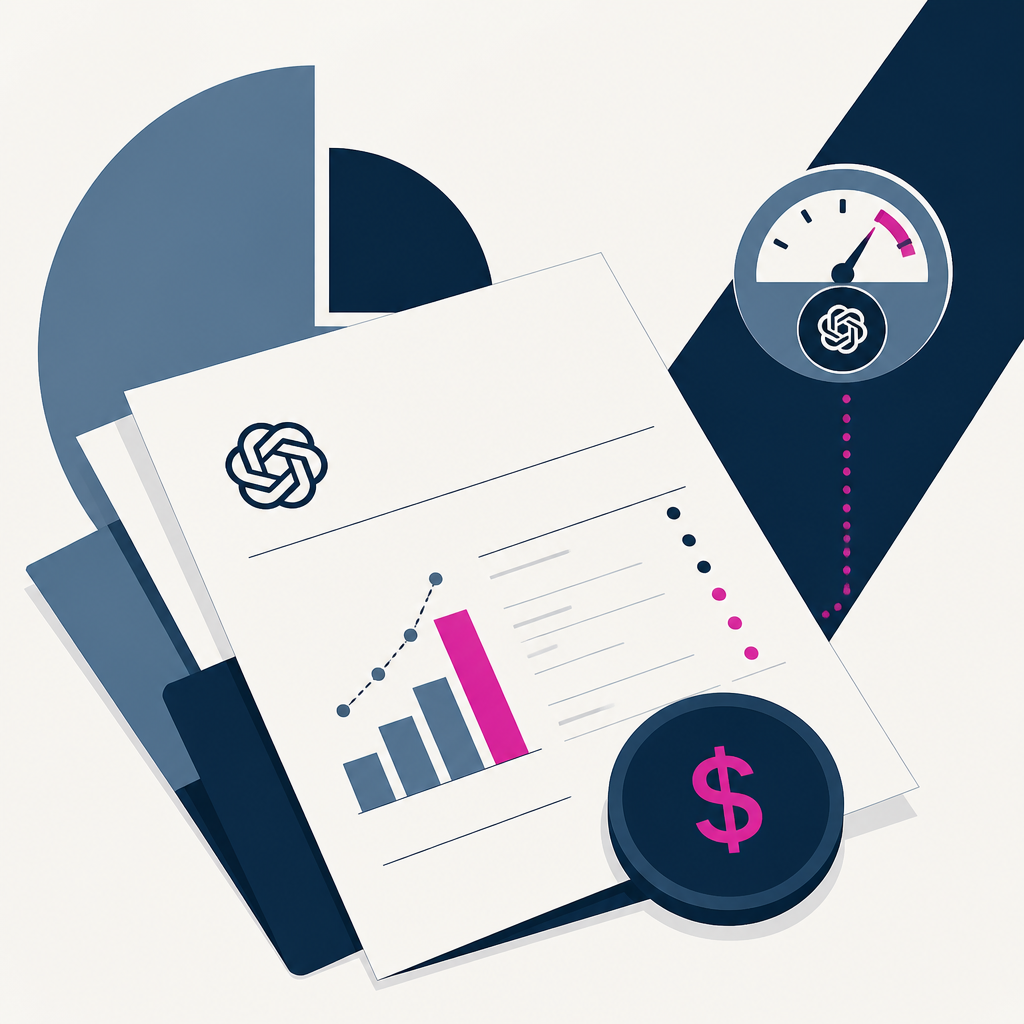
That visibility cuts both ways. For vendors, usage-based billing aligns revenue with actual compute consumption, which matters a lot when the underlying cost of running large models remains stubbornly high. Nvidia GPUs aren't getting cheaper fast enough to make flat-rate AI subscriptions comfortably profitable at scale. For customers, though, it means every AI feature now has to justify its existence in dollars and cents, not just in vibes about productivity gains.
This is where the real story sits: return on investment for AI tools has been mostly theoretical for a lot of businesses. Teams adopted copilots and assistants because everyone else was doing it, not because someone ran the numbers. Meter pricing forces that reckoning. If a tool costs more per month once usage is tracked honestly, leadership has to decide whether the output — faster code, better support tickets, whatever it is — actually earns that cost back.
Expect some AI tools to get quietly abandoned once their real price tag becomes visible, and others to get scaled up hard because the ROI turns out to be genuinely there. Either way, the free-experimentation phase of enterprise AI adoption is closing, and the accounting phase is starting.
My take — AI-written commentary, not fact-checked reporting
I've said for a while that flat-fee AI subscriptions were a subsidy dressed up as a business model, and meter pricing is the industry finally admitting the compute bill has to land somewhere. This is good, actually — it kills the zombie AI pilots that never had a business case and rewards the tools that genuinely save time. Watch which companies quietly cancel features once the invoice gets itemized; that's your real AI hype detector.
Read more about this at: Bloomberg