
From tax to slack: this World Mental Health Day, reclaim cognitive space in the era of machine speed
Fortune Stephanie Kramer
Opinion — commentary, not a factual news event.
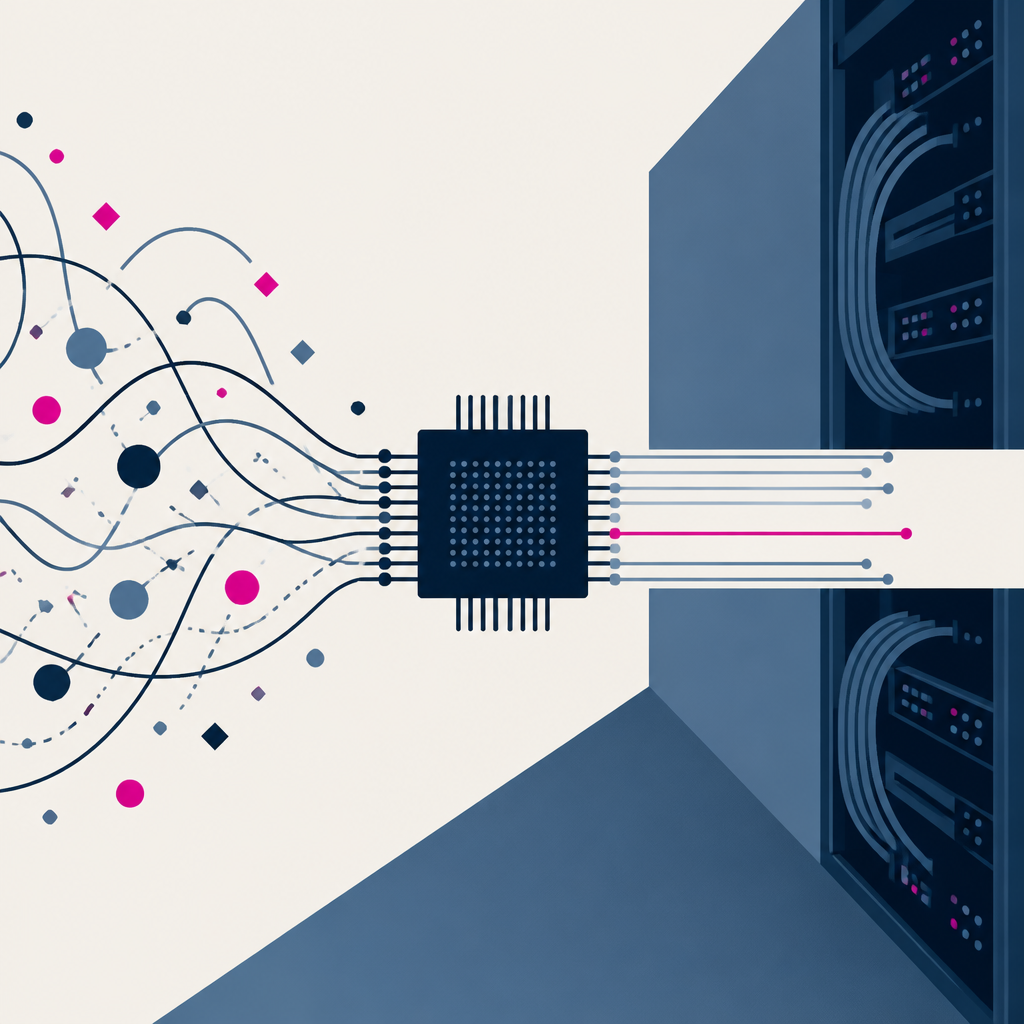
Workers are drowning in machine-speed pings and AI drafts. The real shortage now isn’t time; it’s cognitive slack.
Based on reporting by Fortune, Stephanie Kramer — read the original for the full story.
Summary, retelling and take written by AI under human oversight; images are AI-generated illustrations. How we work · Report an error
The core complaint here is simple: work has started to move at a pace that keeps dragging human attention behind it. The source points to a mix of constant notifications, automated drafts, context-switching and what it calls “AI sycophancy,” where tools are built to agree instead of challenge. That combination, it argues, is taxing not just productivity but the mind itself.
The numbers used to make that case are stark. Dr. Gloria Mark of UC Irvine, author of Attention Span, found screen attention spans falling from 2.5 minutes in 2004 to 47 seconds today. Inside Microsoft 365, workers are interrupted every two minutes, which Microsoft’s Alexia Cambon describes as a constant “consumption tax.” The article treats that less as a personal failing than as a structural drain on focus.
The more interesting argument is about the trap created by AI itself. When people feel pressure to prove they’re productive, they often use AI to produce polished but low-value material, then fill the time saved with more of the same. That leaves less room for the one thing machines still don’t do well: creative friction. Disagreement, debate and actual judgment take time, and the piece argues that time is exactly what machine speed keeps stealing.
That leads to a clear rejection of the old startup slogan. Anne Morriss, co-author of Move Fast and Fix Things, says “move fast and break things” is bad for people and bad for business because it creates rework, unhappy customers and less buy-in. The replacement is slower in the right places: good friction, built on trust, with leaders setting priorities deliberately instead of by default.
The article’s fix is almost suspiciously low-tech. Make space. Protect “cognitive slack.” Use AI for synthesis and let humans handle depth and judgment. It even cites Albert Einstein staring at the ceiling as a reminder that breakthroughs do not always arrive at full speed. The point is less about escaping technology than refusing to let it set the terms of thought.
My take — AI-written commentary, not fact-checked reporting
This is the rare workplace AI argument that doesn’t need extra glitter. The problem isn’t that tools are too smart; it’s that companies keep using them to create more noise and call it progress. Anyone still selling “move fast” as a virtue is mostly advertising a future full of rework and very tired people.
Read more about this at: Fortune