
David Booth: AI may change the world. It just won’t change how you invest
Fortune David Booth
Opinion — commentary, not a factual news event.
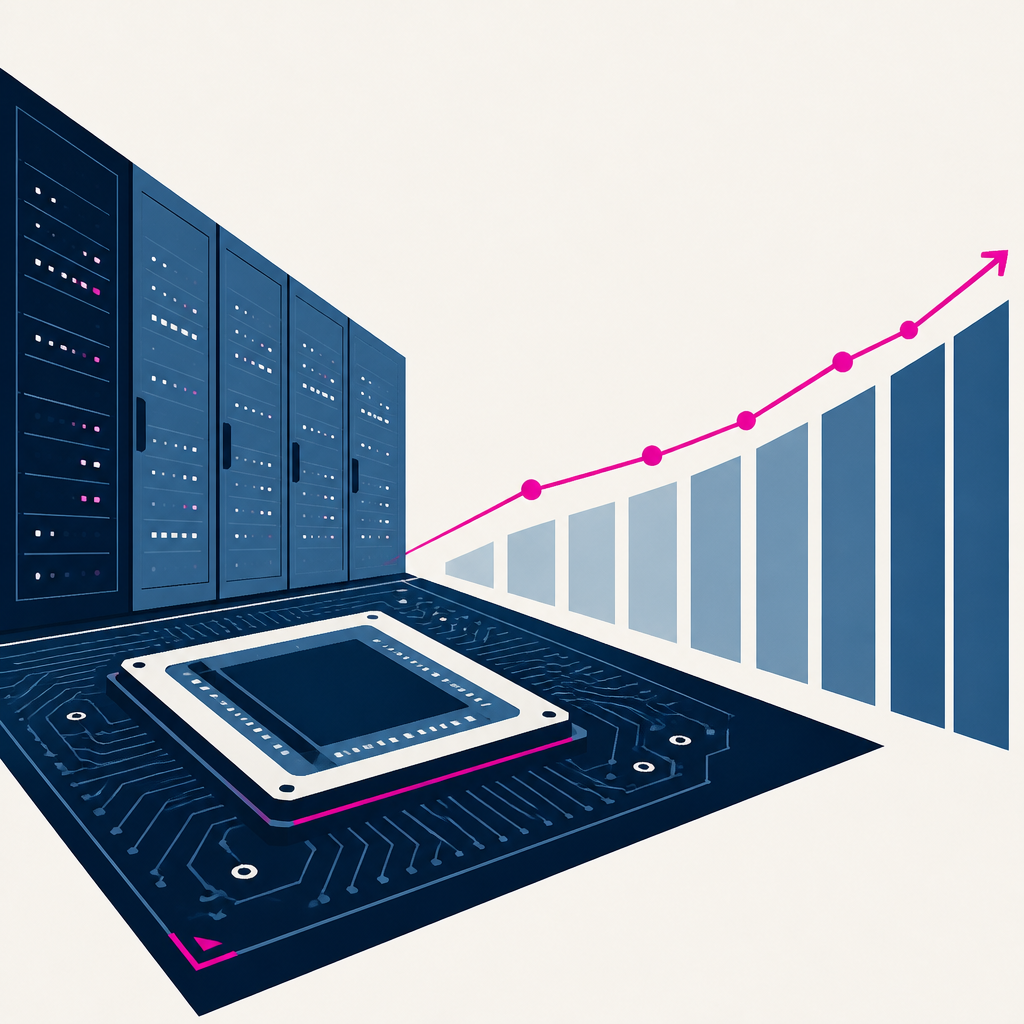
AI may change daily life, but David Booth says it won’t help you beat the market. His take: markets already spread information faster than any model can.
Based on reporting by Fortune, David Booth — read the original for the full story.
Summary, retelling and take written by AI under human oversight; images are AI-generated illustrations. How we work · Report an error
David Booth’s argument is simple, and a little unfashionable: artificial intelligence may be a major step forward, but it won’t turn stock-picking into a superpower. He compares AI to the leap from hauling frozen river blocks into town to having a refrigerator at home. Big improvement. Not a new law of economics.
Booth says AI already makes ordinary tasks easier, from building a workout plan to mapping out a vacation. He also thinks it could help in health care, transportation, and work itself. But when it comes to public markets, he sees a wall. Stocks and bonds are priced through millions of buyers and sellers agreeing on what’s fair, and that process, in his view, is already a giant information machine.
That belief comes straight from the market-efficiency thinking he saw take shape during his graduate school days at the University of Chicago. He points to a century of U.S. stock data showing about 10% average annual returns, and says there is no solid evidence that professional money managers can reliably pick winners over time. If a human can’t know what’s mispriced, an AI model can’t magically know either. Even if AI helps gather information faster, he argues, everyone else gets that same advantage too.
Booth is just as skeptical about piling into “AI stocks” as a shortcut to wealth. He expects many companies to use AI to cut costs and boost productivity, but history says the obvious winners are often not the real winners. He reaches for the dot-com era, when telecom firms built out internet infrastructure and names like Lucent Technologies and Nextel Comms were once near the top. Twenty-five years later, only 1 of the top 20 stocks from 1999 had survived in its corporate form.
His conclusion is blunt without sounding anti-tech: don’t try to guess which company will own the future. He points to more than $1.2 trillion in expected capital spending in 2027 on data centers, chips, and related infrastructure, but says that money could still flow somewhere else entirely. The safer bet, in his view, is to own a broad portfolio and let public markets do the sorting.
My take — AI-written commentary, not fact-checked reporting
Booth is right to be boring here, which is usually where the money lives. AI will probably make a lot of things better, but the new religion of “AI stock picking” sounds like old-fashioned overconfidence with a shinier dashboard. Markets love to punish certainty, especially when it comes wrapped in hype.
Read more about this at: Fortune
Related stories
 Bulls and doomers are both right on AI, says Ray Dalio—it's 'miraculous' for productivity but a 'devastating' bubble creating huge wealth inequality
Fortune ·
16
The best AI opportunities for investors may not look like AI companies
Sifted · 2 weeks ago ·
15
Bulls and doomers are both right on AI, says Ray Dalio—it's 'miraculous' for productivity but a 'devastating' bubble creating huge wealth inequality
Fortune ·
16
The best AI opportunities for investors may not look like AI companies
Sifted · 2 weeks ago ·
15
 AI is changing work faster than the data can keep up
Fortune ·
54
AI is changing work faster than the data can keep up
Fortune ·
54