Cocomelon's Studio Tells Its Artists to Start Experimenting With AI
404 Media Jason Koebler
Cocomelon’s studio told artists to start testing AI on its shows. Moonbug says humans still have to stay in charge, for copyright and quality.
Based on reporting by 404 Media, Jason Koebler — read the original for the full story.
Summary, retelling and take written by AI under human oversight; images are AI-generated illustrations. How we work · Report an error
Moonbug Entertainment, the company behind Cocomelon, Little Baby Bum, Blippi, and Mia’s Magic Playground, has told its animators to start experimenting with AI while making its shows. The instructions come in a Generative AI policy and a “Studio AI Bible” reviewed by 404 Media, and they show a studio in the early, tightly controlled stages of adoption rather than a free-for-all.
The core message is simple: use AI to help, not to replace. Moonbug says its artists must keep a human in the loop and that the final work needs substantial human creative input if the company wants to keep copyright over it. That covers the big stuff — core characters, signature worlds, important backgrounds, storylines, song lyrics. AI can assist, but it can’t be the author.
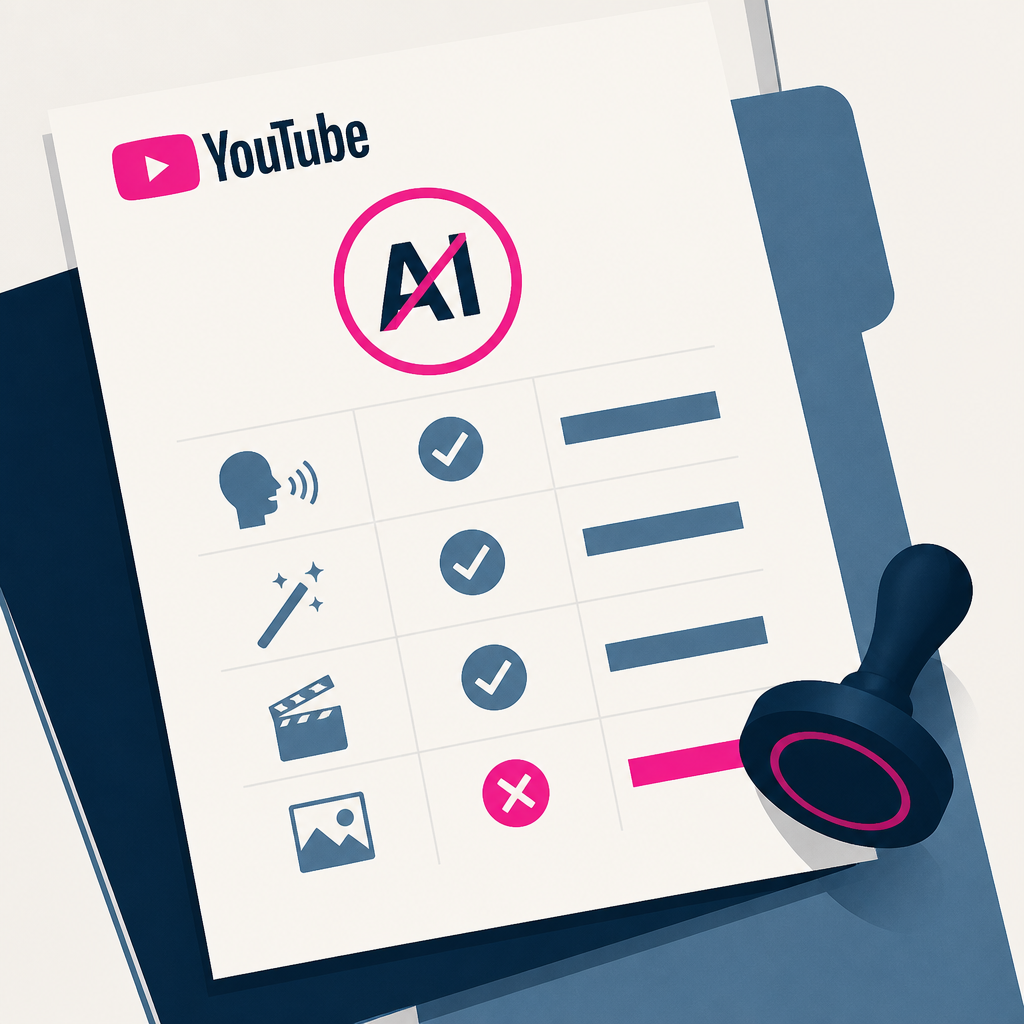
The documents allow AI in ideation, scripting, storyboarding, design, and animation, but only with limits. Animators can use it for utility tasks and standard production helpers, but not to alter a voice actor’s performance without checking with Legal. It can refine a human draft, but not ghost-write. It can generate visual research, vibe boards, and texture or lighting references, but there is “no prompt to product,” and a 100% AI-made design can’t go straight into production.
Moonbug is also drawing sharp lines around what AI may create. Generic trees, furniture, or outfit-change textures are allowed. New characters usually are not. Unique props that matter to a series, like a clubhouse, must be human-created. Even then, any AI asset has to be processed by an artist, and all new tools need individual legal approval.
There is paperwork, too. Employees must first test tools on “non Moonbug IP” or test assets, then log every prompt and explain how a human transformed the result if it ends up in a show. AI files have to live in separate folders under a system Moonbug calls “provenance and isolation,” so the studio can trace its way back to human-made work. The company says it created generic test characters and environments for this purpose.
That caution sits in an awkwardly familiar place. Moonbug’s shows have hundreds of millions of YouTube subscribers, its Cocomelon spinoffs air on Netflix, it is working on a Cocomelon movie for Universal, and the series is set to move to Disney+ next year. In May, workers on a live-action Cocomelon spinoff went on strike over wages and benefits. Now the studio is telling its artists to try the machine, but only after the lawyers have had their say.
My take — AI-written commentary, not fact-checked reporting
Moonbug is doing the sensible corporate thing: let AI chew on the boring bits, then wrap it in legal tape and call it craft. That’s the real AI play in children’s media, not the slop flood on YouTube. The funny part is how quickly “creative freedom” becomes “approved tools, separate folders, and don’t you dare touch the vibe without legal.”
Read more about this at: 404 Media