Biggest ever MCP update brings metadata, cybersecurity enhancements
SiliconANGLE Maria Deutscher ● Covered by 7 sources
MCP, the open protocol letting AI agents touch databases and apps, just got its biggest overhaul ever. It killed a clunky handshake step, making agents faster, harder to crash, and safer from login theft.
Based on reporting by SiliconANGLE, Maria Deutscher — read the original for the full story.
Summary, retelling and take written by AI under human oversight; images are AI-generated illustrations. How we work · Report an error
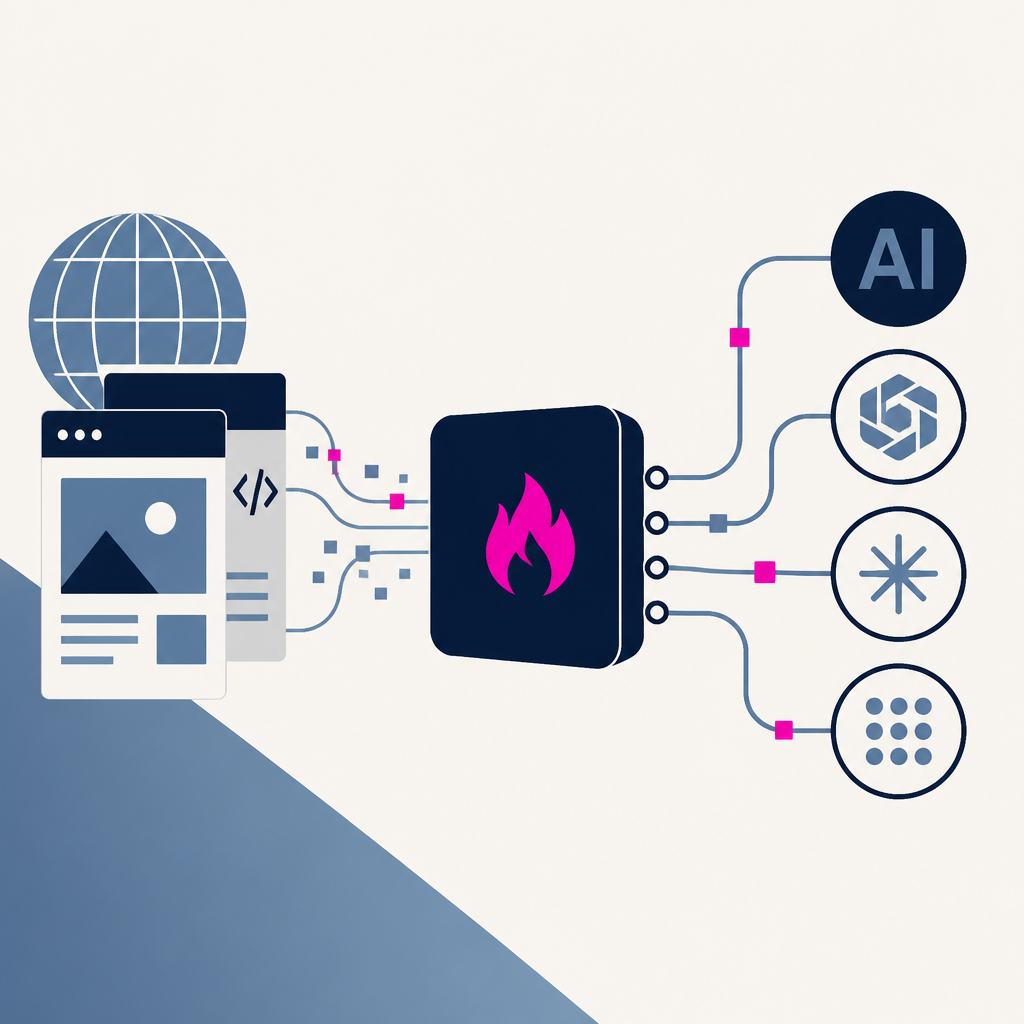
The Model Context Protocol just had its biggest facelift since Anthropic open-sourced it back in November 2024. MCP is the plumbing that lets an AI agent reach out and actually do something in the real world — pull a customer record, update a product listing, kick off a workflow — instead of just chatting. Anthropic handed the project over to the Agentic AI Foundation, a Linux Foundation group backed by both Anthropic and OpenAI, and that group shipped the update today.
The headline change is a quiet one on the surface but a big deal under the hood. MCP used to rely on a handshake process to pass along metadata — things like which protocol version an app is running — before any real request could go through. That handshake tied every session to a single server. Fine until that server hiccups, at which point the whole thing falls over, and scaling up to handle traffic spikes meant untangling a mess of state tracking. The new release rips out the handshake entirely and replaces it with what the team calls a stateless protocol core, which just bundles the metadata straight into each request. No middleman step, no single point of failure, no drama when a server goes down.
Security got some real attention too. The authorization layer — the part that checks whether an AI app is actually allowed to touch a given resource — is now less brittle and specifically hardened against OAuth mix-up attacks, a known trick for stealing login credentials by confusing which authorization server a request is actually talking to. That's not a flashy feature, but for anyone running MCP in production with real customer data behind it, it's the kind of fix that matters more than a new capability.
And there is a new capability anyway: an extension framework that lets developers bolt custom features onto MCP's core without waiting for the spec itself to change. It ships with a starter pack of plugins, including MCP Apps for wrangling long-running agent workflows and a tool called EMA aimed at automating cybersecurity chores. Together with the stateless core, it signals a protocol maturing from proof-of-concept plumbing into something built to survive enterprise-scale traffic.
My take — AI-written commentary, not fact-checked reporting
Ripping out a handshake mechanism sounds boring until you remember that half the AI agent hype cycle has been built on infrastructure that quietly falls over under real load — this is the unglamorous fix that actually matters more than any flashy new model release this month. Worth watching too that Anthropic and OpenAI, usually rivals, keep cooperating on this one open standard; that's the smart move, since a fragmented agent ecosystem helps nobody but the cloud vendors selling redundant glue code.
Read more about this at: SiliconANGLE