As AI-driven attacks rise, domains are the cornerstone of customer trust
Startups Magazine Ram Mohan
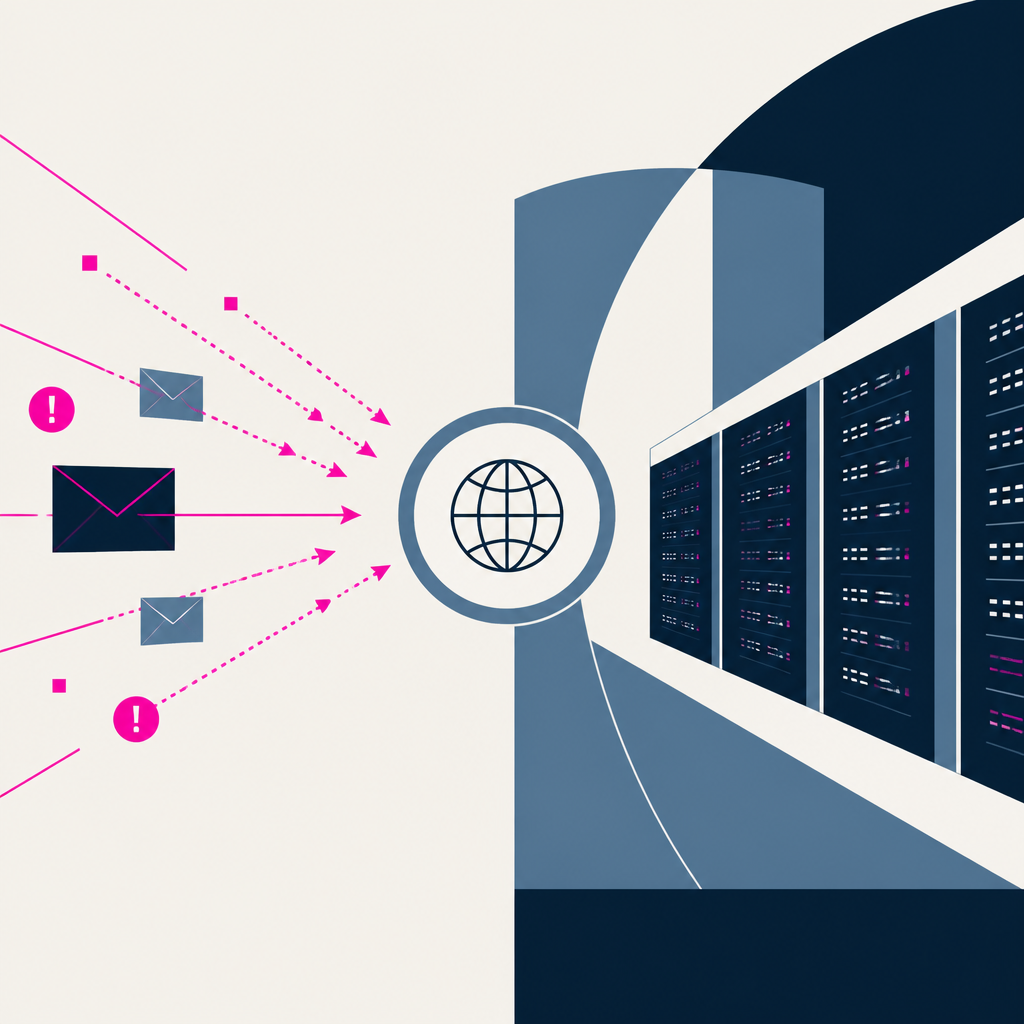
AI-powered scams are getting harder to spot, IBM says attacks rose 56%. That makes the web address, not the message, the quickest trust check.
Based on reporting by Startups Magazine, Ram Mohan — read the original for the full story.
Summary, retelling and take written by AI under human oversight; images are AI-generated illustrations. How we work · Report an error
AI-driven attacks climbed 56% worldwide in the past year, according to IBM’s 2026 Cost of a Data Breach Report. That helps explain why old scam-detection habits are breaking down. A badly written phishing email used to betray itself. Now generative AI can produce smooth, convincing copy in seconds, which means the message itself can look clean while still being a trap.
The UK Government’s Cyber Security Breaches Survey says 38% of UK businesses saw a phishing attack in the past year, making it the most common attack they face. The safer clue is the web address. Brand names and logos can be pasted into a message almost anywhere, including right at the front of a link, but the registered domain shows where that link really leads.
That is the logic behind what the piece calls the three-second domain check: pause, read the registered domain, and only then click, especially if the link asks for a password or a payment. It is a small habit, but the point is to make it automatic. The domain industry helps by blocking misspelled and lookalike domains before most people ever see them.
For startups, the same signal matters even more because customers often know the domain before they know much else. The registered domain becomes part of the business itself, which is why the advice starts with basic protection: secure the registrar account, turn on two-factor authentication, lock transfers, set auto-renewal, and send renewal notices to a different email address on another domain. The article also recommends email authentication, registering common misspellings, telling customers the main domain to watch for, teaching staff the three-second check, and writing a short incident plan.
My take — AI-written commentary, not fact-checked reporting
This is the unglamorous part of cyber hygiene that keeps getting skipped because nobody gets applause for reading a URL carefully. But domains are the trust layer here, and startups that treat them like a spare detail are basically handing fraudsters a cleaner shirt and better shoes. The whole AI panic becomes a lot less dramatic when the fix is: look at the address before you click.
Read more about this at: Startups Magazine