
AI is creating a new wave of philanthropists. The system they're walking into is broken
Fortune David Goldberg
Opinion — commentary, not a factual news event.
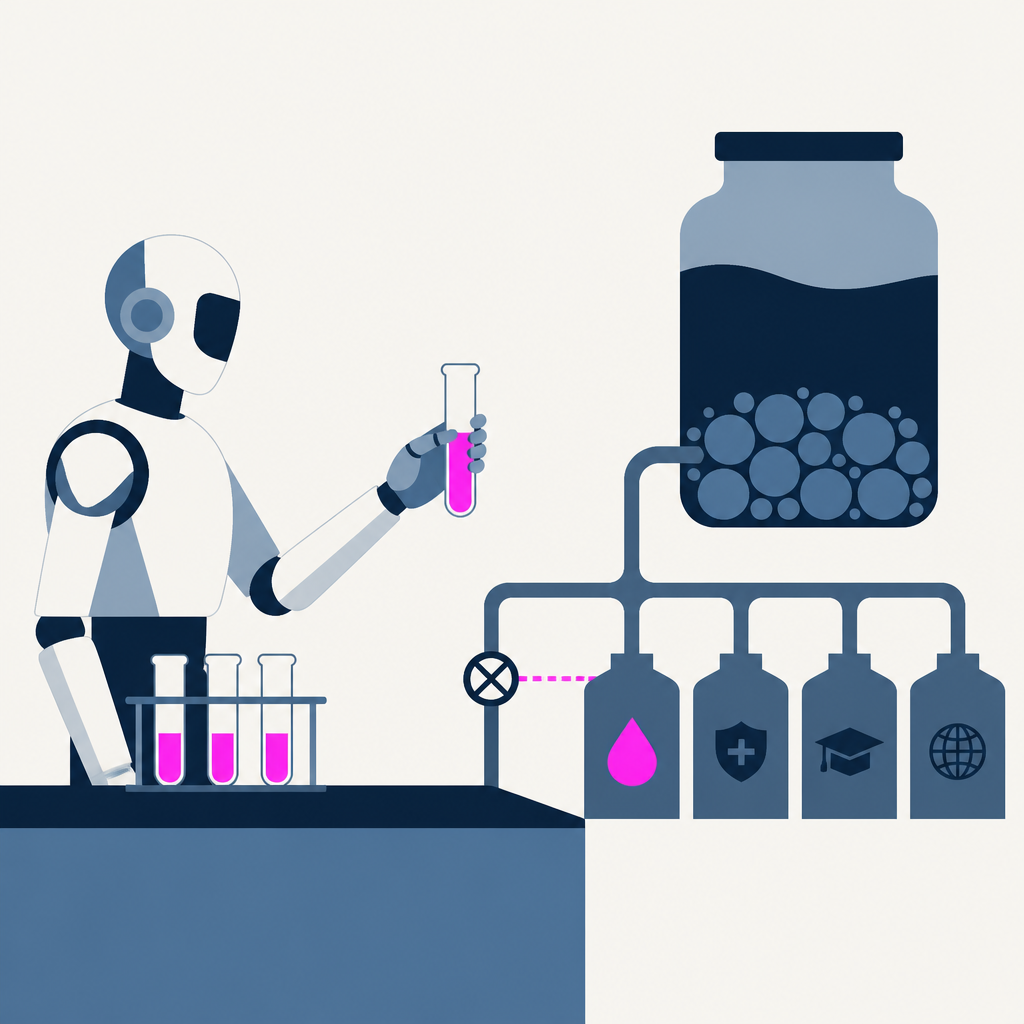
AI wealth is coming, and a lot of it may land in donor-advised funds instead of charities. That matters because the money can sit there for years while the tax break is already taken.
Based on reporting by Fortune, David Goldberg — read the original for the full story.
Summary, retelling and take written by AI under human oversight; images are AI-generated illustrations. How we work · Report an error
A new class of very rich AI builders is about to test a philanthropy system that already isn’t working very well. The people advising them say many of these future donors genuinely want to give well. The problem is that the machinery around big gifts nudges them toward delay, not action.
The familiar path is the donor-advised fund, or DAF. Put money in, claim the tax deduction, and decide on the recipient later. That can be later next month or later never. Once the deduction is secured, the pressure to make a real grant fades fast.
The numbers explain why critics are so uneasy. More than $300 billion in philanthropic capital is sitting in American DAF accounts, and only about a quarter of those assets is paid out in a typical year. Some of that movement is just money shifting from one DAF to another, which helps no beneficiaries at all. In 2024, Fidelity Charitable took in nearly $16 billion in contributions, making it the most successful charitable fundraiser in the United States. Eleven of the country’s top twenty fundraising “charities” are DAF sponsors.
This is not just a bad look; it’s a design problem. DAF sponsors generally earn fees based on assets under management, so they are rewarded when money stays parked. Fidelity has made more than $1 billion in revenue from its charitable arm over the last five years. Private foundations face a different rule and must give away at least 5 percent of their assets each year. DAFs have no equivalent requirement.
The source piece argues that the system’s original bargain was simple: society gives up tax revenue now, and charities get the money later. That bargain only works if the money actually reaches charities. With a wave of AI fortunes likely on the way, the risk is that the broken incentives just scale up along with the wealth.
My take — AI-written commentary, not fact-checked reporting
This is the classic Silicon Valley move: build a clever financial wrapper and call it generosity. If a charitable vehicle mainly rewards waiting, then it is not philanthropy with better UX, it is philanthropy with a parking fee. The ugly part is that the tax code is being used to subsidize patience when the whole point was to fund actual giving.
Read more about this at: Fortune
Related stories
 AI's new millionaires want to disrupt philanthropy. They should fund what already exists
Fortune ·
52
AI's new millionaires want to disrupt philanthropy. They should fund what already exists
Fortune ·
52
 In nearly 2 decades of leading philanthropy at the Milken Institute, I've never seen a tidal wave like the one that's coming
Fortune ·
15
A People-First AI Fund: $50M to support nonprofits
OpenAI · 1 year ago ·
42
In nearly 2 decades of leading philanthropy at the Milken Institute, I've never seen a tidal wave like the one that's coming
Fortune ·
15
A People-First AI Fund: $50M to support nonprofits
OpenAI · 1 year ago ·
42