
Adaption Labs Introduces ‘Invent a Dataset’: Training Data Generated From a Task Description, Not a Seed Corpus
MarkTechPost Michal Sutter
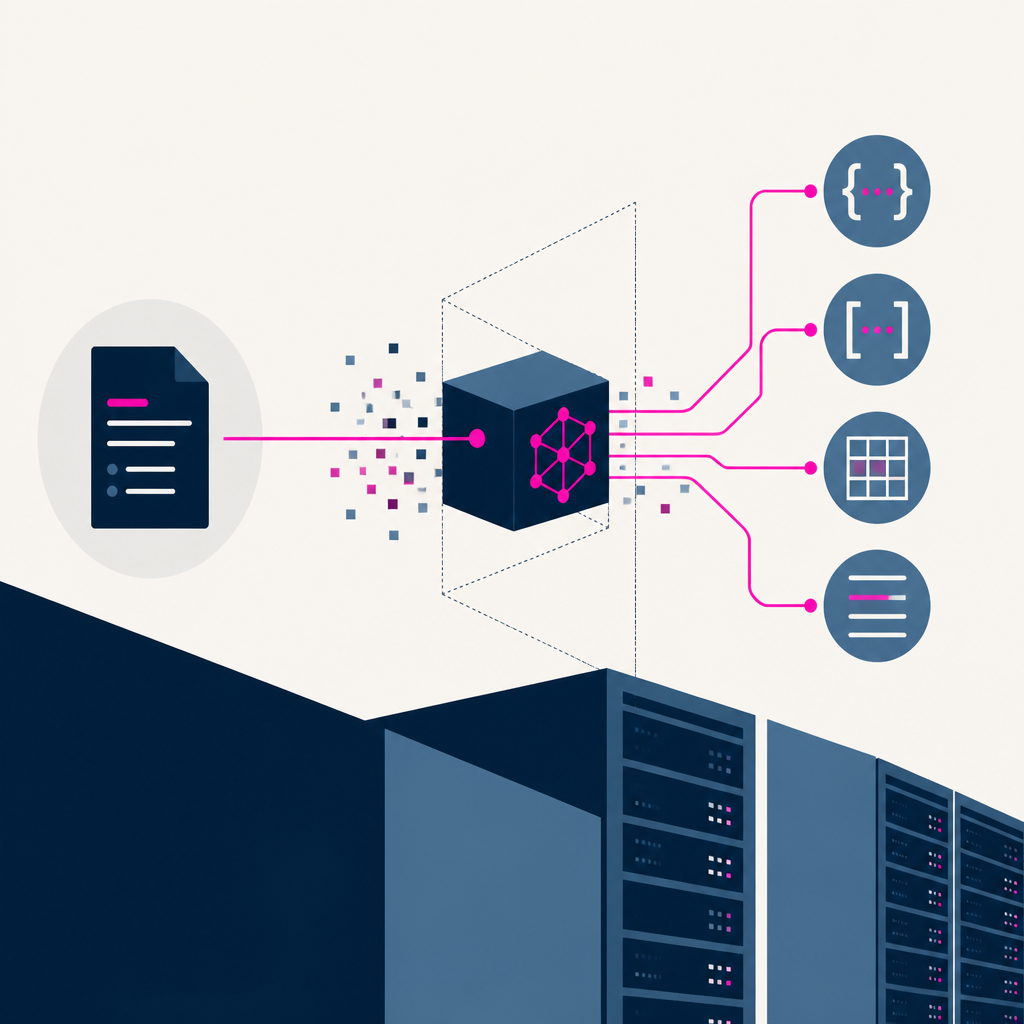
Adaption Labs launched a tool that makes training data from a plain task description. It skips the seed dataset step, which could save weeks of label-and-clean work.
Based on reporting by MarkTechPost, Michal Sutter — read the original for the full story.
Summary, retelling and take written by AI under human oversight; images are AI-generated illustrations. How we work · Report an error
Adaption Labs has shipped Invent a Dataset, a feature that turns a written description of the behavior you want into a structured training set. No seed corpus. No schema to start from. No labeling guide sitting on top of a pile of raw text. The pitch is simple: describe the task, and let the platform build the dataset around that target instead of trying to force old data into shape.
The feature is live in the Adaption app, through the Python SDK, and through the REST API. Generation happens on Adaption’s hosted platform and uses credits, while the finished rows can be downloaded as JSONL, JSON, CSV, or Parquet. In other words, the output is meant to leave the platform cleanly and be used elsewhere. There is no documented self-hosted generation path.
Adaption is aiming at the mess most teams know too well. Existing workflows usually start with data that already exists, then spend a long time filtering, labeling, and reshaping it until it roughly fits the task. That works best when the available material already looks a lot like the eventual use case. It breaks down faster for proprietary or specialized work, where the useful signal is buried in internal systems, unstructured text, or workflow logs.
The API itself is fairly direct. A call to datasets.invent starts generation and returns immediately with a running status, then datasets.get is used to poll until the job succeeds or fails. Domain codes are the main control surface, and they’re fetched with datasets.invent_domains rather than hardcoded. You can narrow a domain with subdomains such as medical.symptoms_diagnosis, and multiple domains can feed the same run. One path produces instruction_dataset prompt-completion pairs for supervised fine-tuning; the other, preference_pairs, generates chosen and rejected completions for preference training like DPO.
There are a few production-minded extras. estimate=True prices a request without creating or charging for it. prompt allows up to 10,000 characters of guidance. idempotency_key is there to make retries safe, so a network hiccup doesn’t launch the same dataset twice. And if language expansion is turned on, translate creates a variant for each target language, while localize swaps in country-and-language-specific wording. Credits are billed on the expanded output rows, not the original count.
My take — AI-written commentary, not fact-checked reporting
This is the right place to be ruthless: the old “find some data and clean it later” ritual wastes time because the task was vague from the start. Adaption is betting that the prompt for the dataset matters as much as the prompt for the model, and that’s a healthier way to think about synthetic data than pretending schema magic fixes everything. The interesting part isn’t the generation trick; it’s the claim that the intent-to-training loop can finally be shortened without turning into a data swamp.
Read more about this at: MarkTechPost