
13M ARR without a term sheet: why it made us build a better product
Startups Magazine Mitchel Shephard

A bootstrapped UK AI startup says it hit £13M ARR without a term sheet. Its bet: build from real claims work first, then sell the tool.
Based on reporting by Startups Magazine, Mitchel Shephard — read the original for the full story.
Summary, retelling and take written by AI under human oversight; images are AI-generated illustrations. How we work · Report an error
UK AI startups are pulling in huge amounts of money, but one founder is making the opposite point: funding is not the same thing as usefulness. Saber, an AI workflow automation platform aimed at insurance and other high-volume sectors, says it reached £13M ARR without ever signing a term sheet. The pitch is simple enough. Build around a painful job, not around investor expectations.
That philosophy came out of the company’s earlier life as a consultancy. The team spent six months embedded with clients, learning where front-line work was slowing down and where automation could actually help. One example stands out: auditing a 200,000-claim book. A manual version of the task was expected to take six weeks just to process a fraction of it. Saber says it automated the whole thing in less than three days.
That matters because the broader AI story in the UK still looks stuck in pilot mode. The source points to the government’s 2026 AI Adoption Research, which says only one third of businesses planning to use AI feel confident enough to do so. Deloitte’s 2025 findings also suggest the payoff is taking longer than many buyers want, with respondents reporting satisfactory ROI in two to four years, compared with a typical seven to twelve months for legacy tech. In other words, plenty of AI gets discussed; less of it actually clears the bar of daily work.
Saber’s argument is that self-funding forced discipline. Without outside capital setting the pace, the product had to stay close to customer demand and prove it could remove operational drag in claims, insurance and pensions. That seems to have shaped a configurable platform that the company says can adapt across sectors, while avoiding the classic startup temptation to scale before the product is ready.
The ugly truth is that a lot of AI startups are still selling confidence slides, not workflow relief. Saber’s story is a neat reminder that the most useful products often start as unglamorous service work, not a pitch deck with a GPU photo on the cover.
My take — AI-written commentary, not fact-checked reporting
This is the bit the AI crowd keeps trying to skip: boring domain pain beats shiny demo theater. Bootstrapping is not a moral halo, but it does have one useful side effect — it makes “does this actually work?” impossible to dodge. In enterprise AI, that question should be doing most of the talking anyway.
Read more about this at: Startups Magazine
Related stories
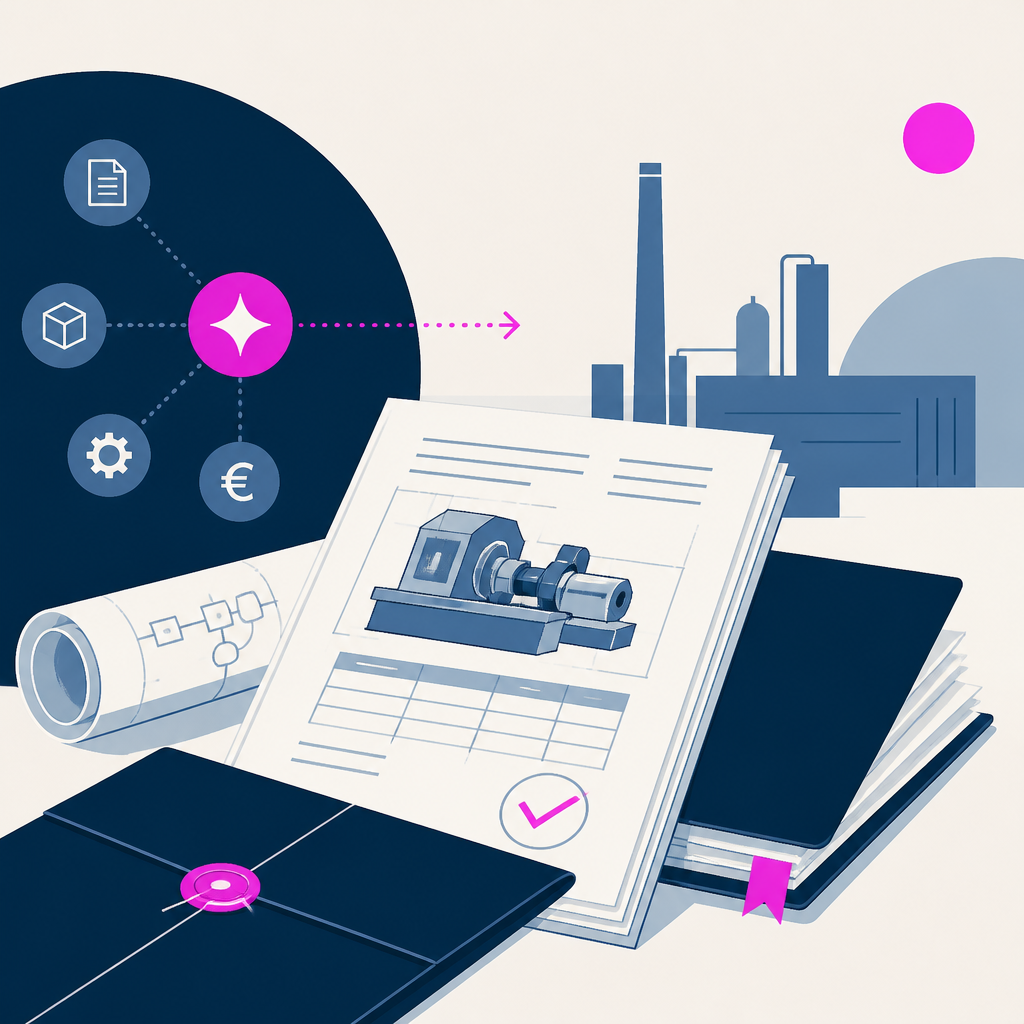 Exclusive: German startup Atira raises $17.5 million to streamline cumbersome industrial sales process
Fortune ·
38
Exclusive: German startup Atira raises $17.5 million to streamline cumbersome industrial sales process
Fortune ·
38
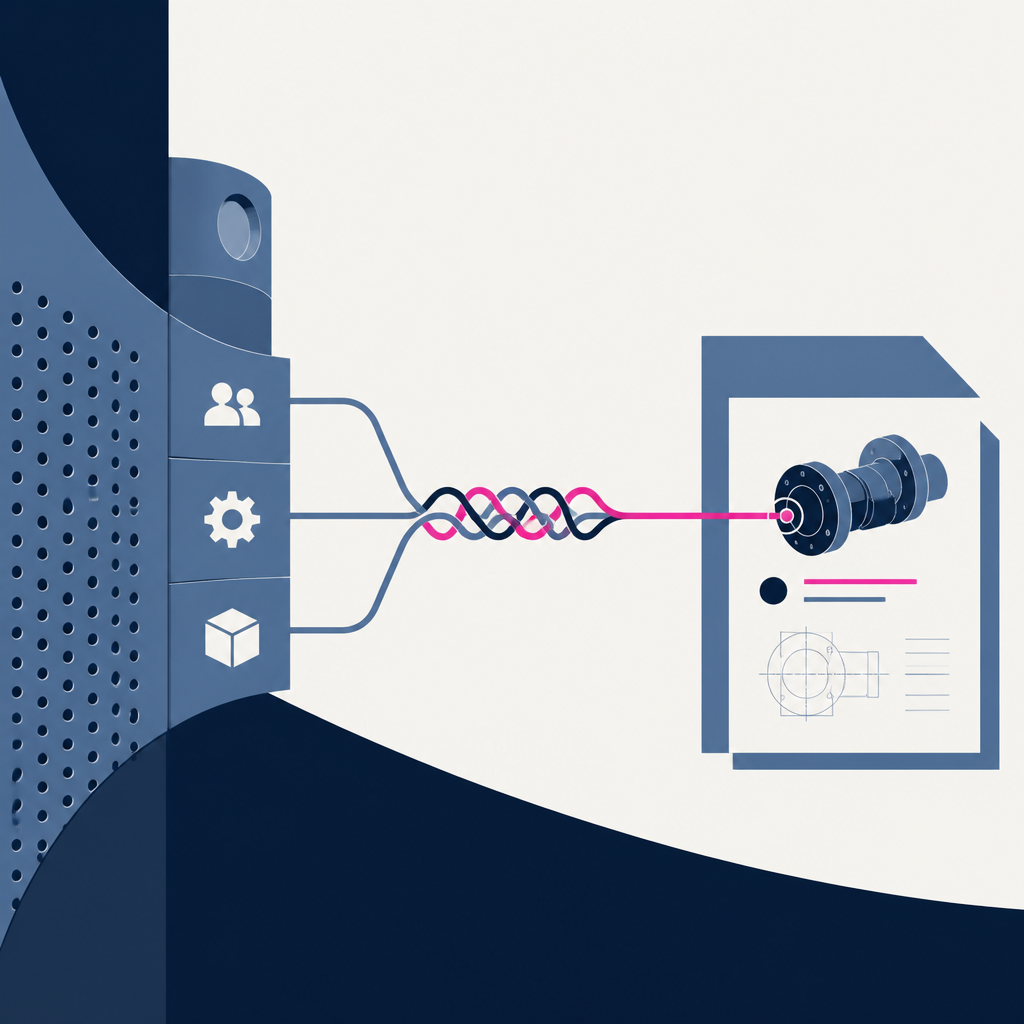 Atira raises $17.5M to bring AI orchestration to industrial sales
Tech.eu · 1 month ago ·
11
Atira raises $17.5M to bring AI orchestration to industrial sales
Tech.eu · 1 month ago ·
11