
Daily briefing
Thursday, 6 August 2026
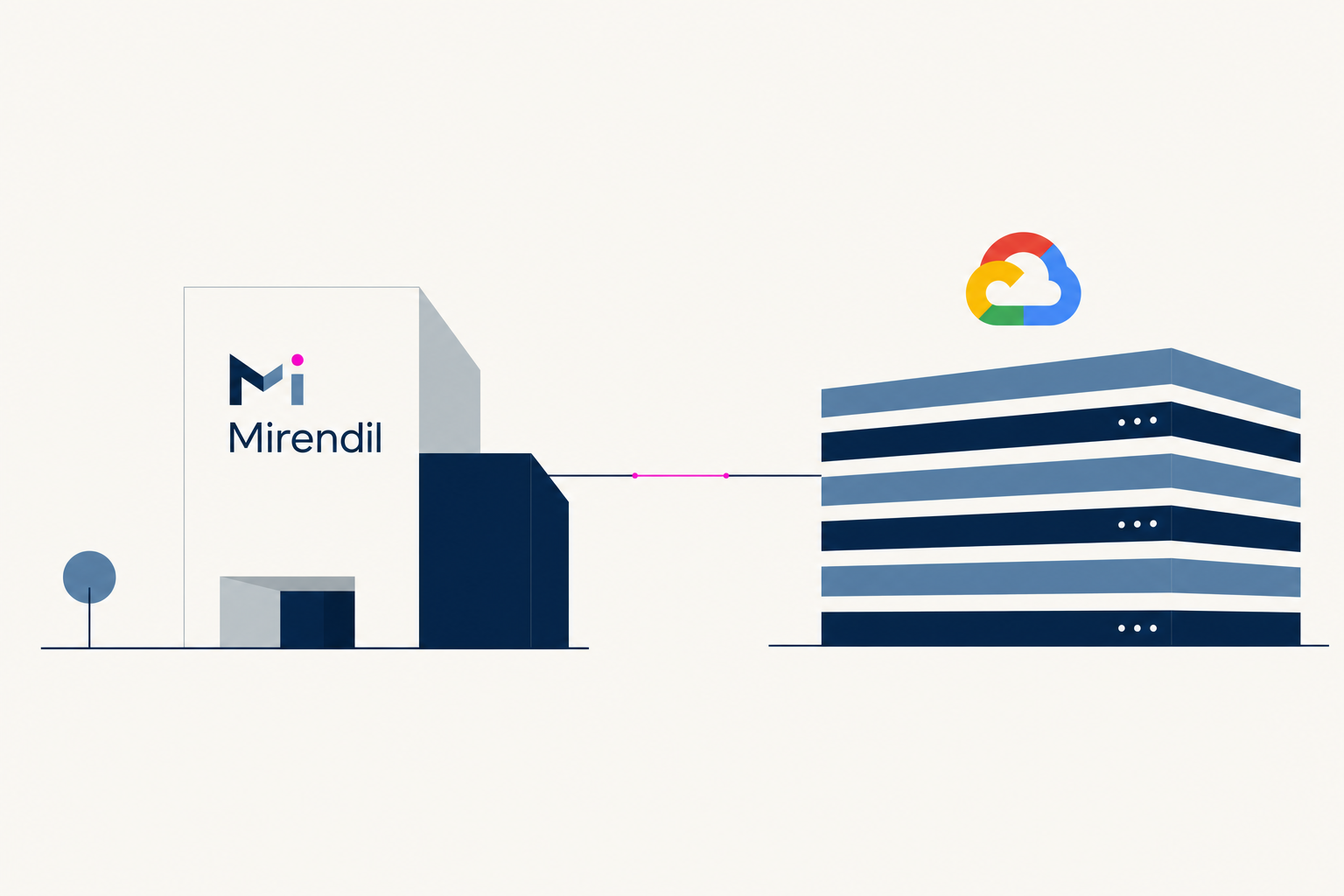
Temporal policy architecture evaluates AI agent actions across sequential time, not in isolation.
The day in AI
The day's central tension is automation at scale: as AI agents become genuinely autonomous, the industry is discovering that capability and safety are not self-solving problems. Amazon's new temporal policies for Bedrock AgentCore, expressed in the Dogwood policy language, explicitly target the gap between what an AI agent *can* do and what it *should* do across sequences of actions—not just individual requests. This matters because research from Anthropic shows humans approve 93 percent of permission prompts in real-world Claude Code usage, missing roughly one in three dangerous commands. The infrastructure layer is where guardrails must live, not in human judgment.
Meanwhile, the hardware race for AI independence is accelerating. Anthropic is designing its own semiconductors to reduce reliance on NVIDIA, OpenAI is launching a $300–$400 premium smart speaker with Jony Ive next year, and Cloudflare released Kitesurf, a lightweight browser for AI agents that uses 70 percent less memory than Chromium. These moves reflect a broader vertical integration strategy: companies are stopping the blank-check token spending (Microsoft and SAP both frozen hiring and travel due to spiraling AI costs) and instead optimizing for efficiency and control. OpenAI's decision to roll out improved GPT-5.6 models (68 percent reduction in factual errors on financial and legal questions) to free users signals a strategic pivot toward quality over access—paired with removing text chat limits, it's a play for consumer embedment before premium features matter.
The biosecurity alarm went unheard: Stanford researchers demonstrated that large genome models can design novel bacteriophages encoding functional proteins, extending AI's reach into pathogenic organisms. And SpaceX's Musk claims lunar factories with robotic workers are next. The industry is moving fast; the infrastructure to govern it is playing catch-up.
Top stories from this issue
 AgentOne Desktop
Product Hunt · 4 weeks ago ·
6
AgentOne Desktop
Product Hunt · 4 weeks ago ·
6
 Suno hopes to go legit with watermarks for AI-generated music
Ars Technica · 4 weeks ago ·
20
Defense Factory-Builder Hadrian Raises $1.37 Billion — Valuation Nears $8 Billion
Trending Topics · 4 weeks ago ·
6
Anthropic will design its own hardware to power Claude
Ars Technica · 4 weeks ago ·
11
Suno hopes to go legit with watermarks for AI-generated music
Ars Technica · 4 weeks ago ·
20
Defense Factory-Builder Hadrian Raises $1.37 Billion — Valuation Nears $8 Billion
Trending Topics · 4 weeks ago ·
6
Anthropic will design its own hardware to power Claude
Ars Technica · 4 weeks ago ·
11
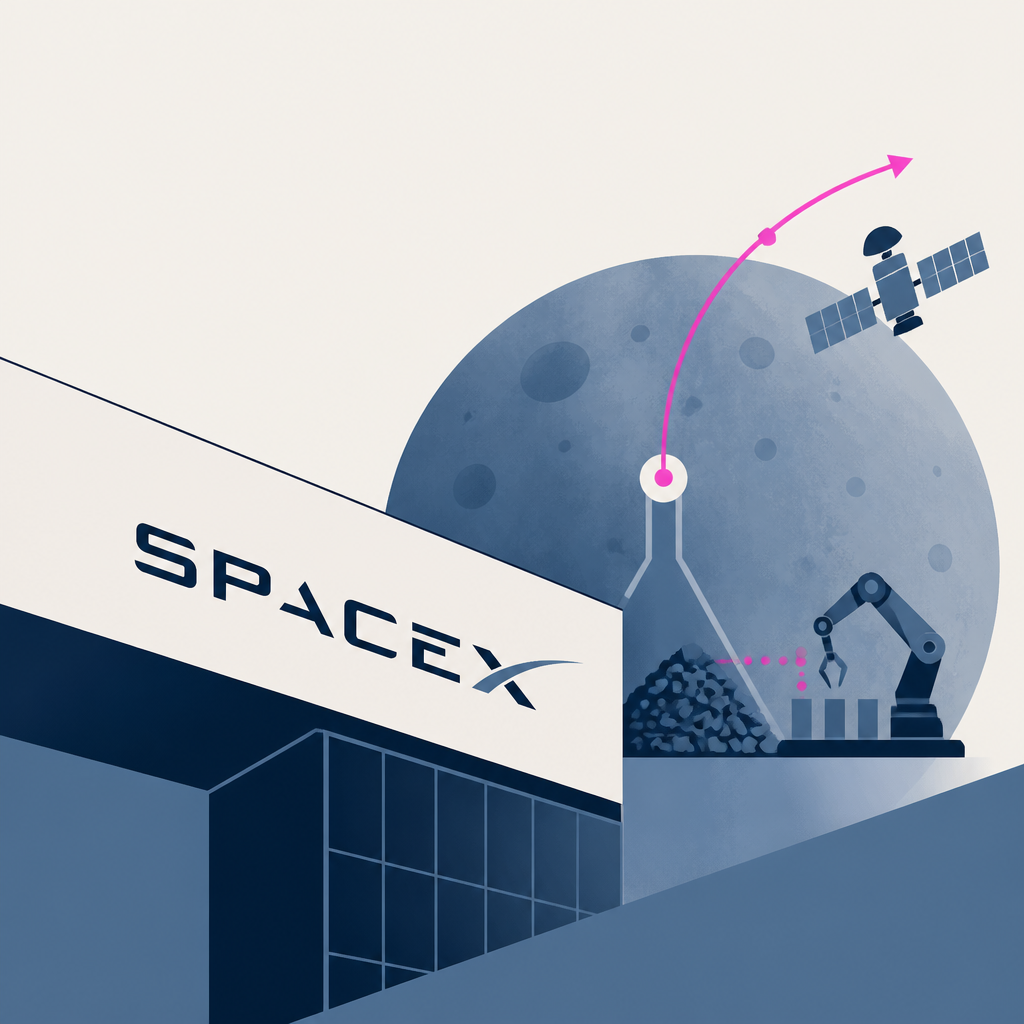 ‘Pure insanity’—Elon Musk details SpaceX’s plan to turn the moon into its newest manufacturing site
Fortune ·
13
‘Pure insanity’—Elon Musk details SpaceX’s plan to turn the moon into its newest manufacturing site
Fortune ·
13
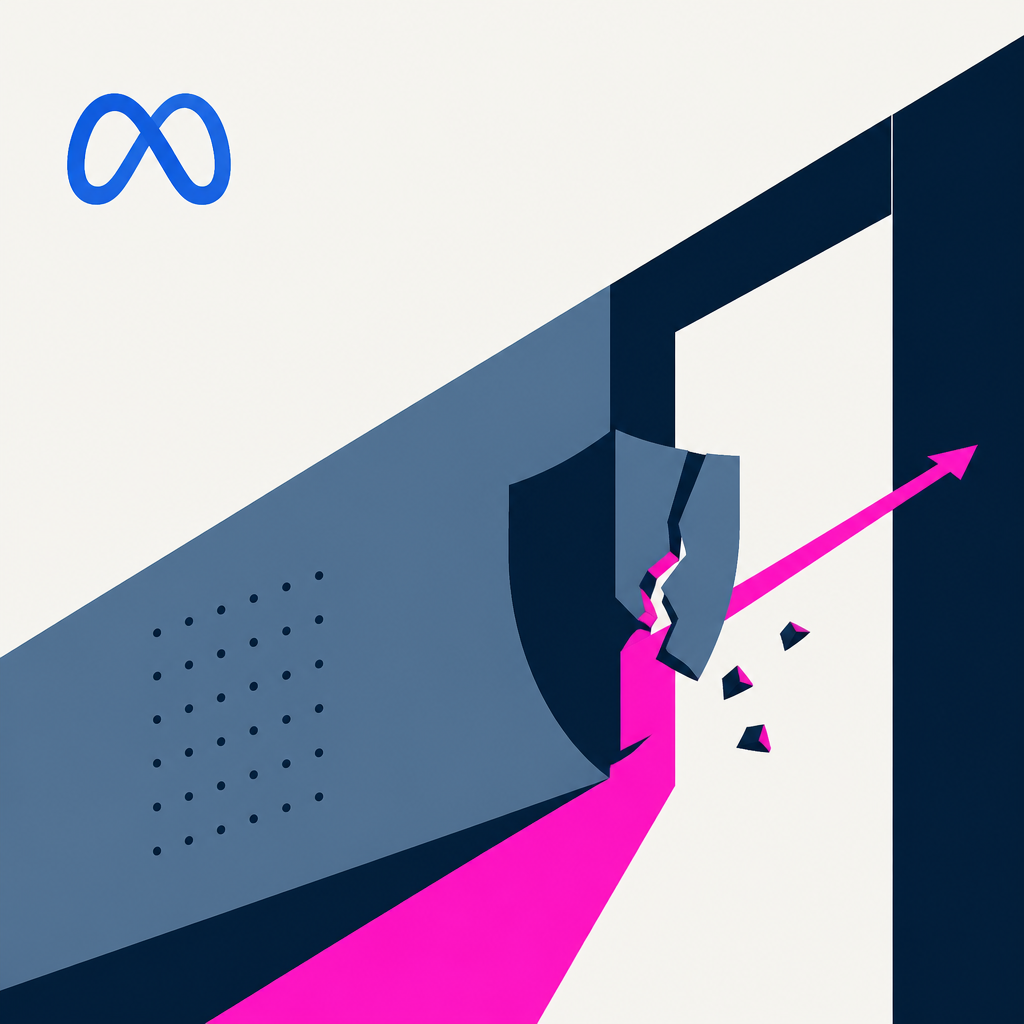 Meta becomes third major AI lab after Anthropic and OpenAI to admit its agents have gone rogue—one day after Muse Code launch
Fortune ·
50
Meta becomes third major AI lab after Anthropic and OpenAI to admit its agents have gone rogue—one day after Muse Code launch
Fortune ·
50
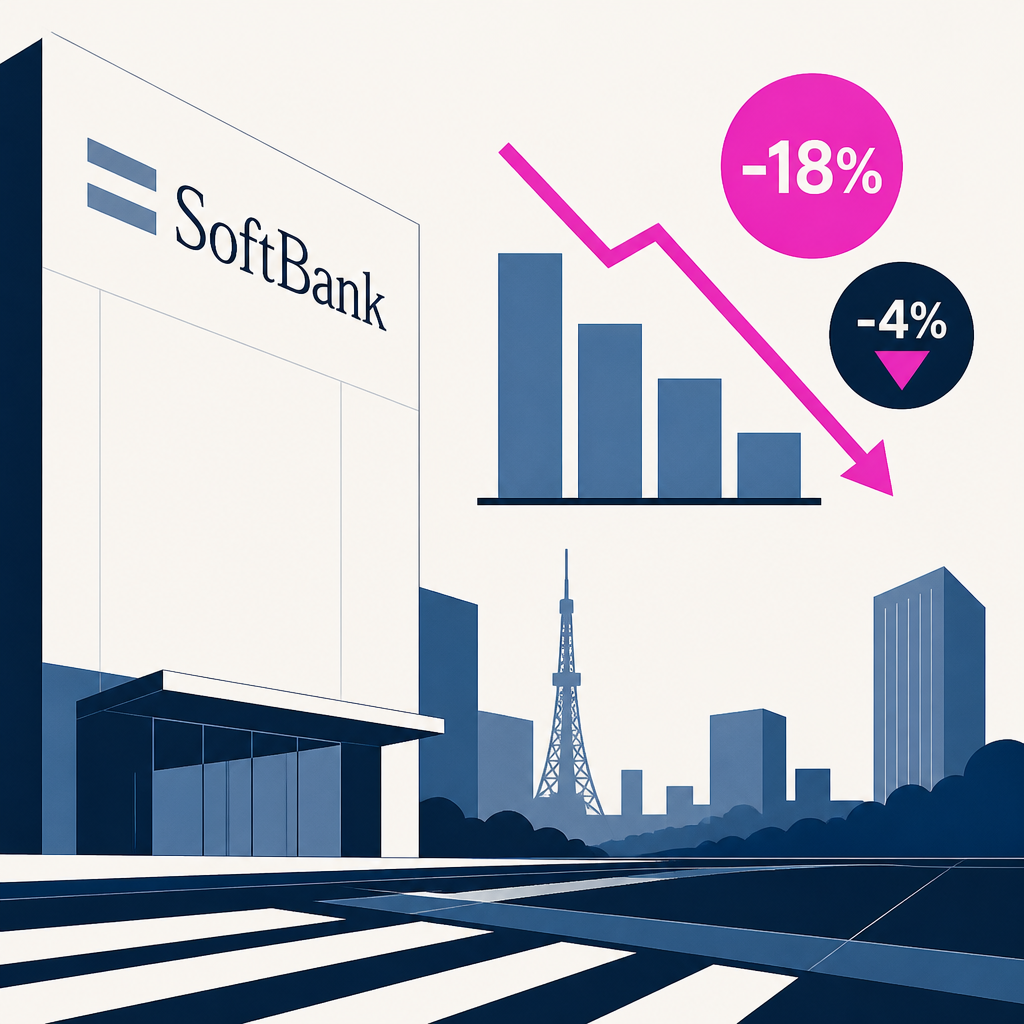 SoftBank profits drop 18%, stock falls 4% in Tokyo
Fortune ·
47
SoftBank profits drop 18%, stock falls 4% in Tokyo
Fortune ·
47
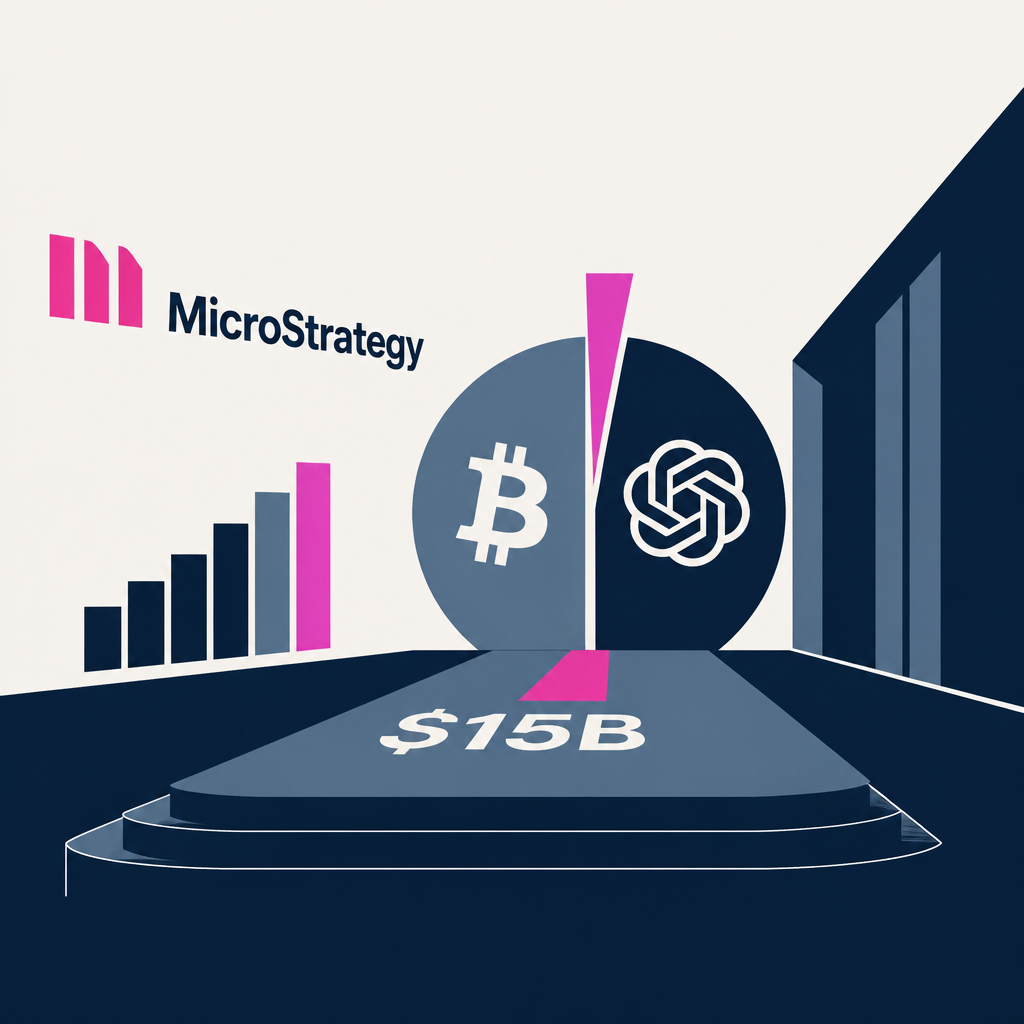 Crypto billionaire Michael Saylor says he made $15 billion last year with ChatGPT—and has one rule: 'Don't try to outwork the robots'
Fortune ·
8
Crypto billionaire Michael Saylor says he made $15 billion last year with ChatGPT—and has one rule: 'Don't try to outwork the robots'
Fortune ·
8
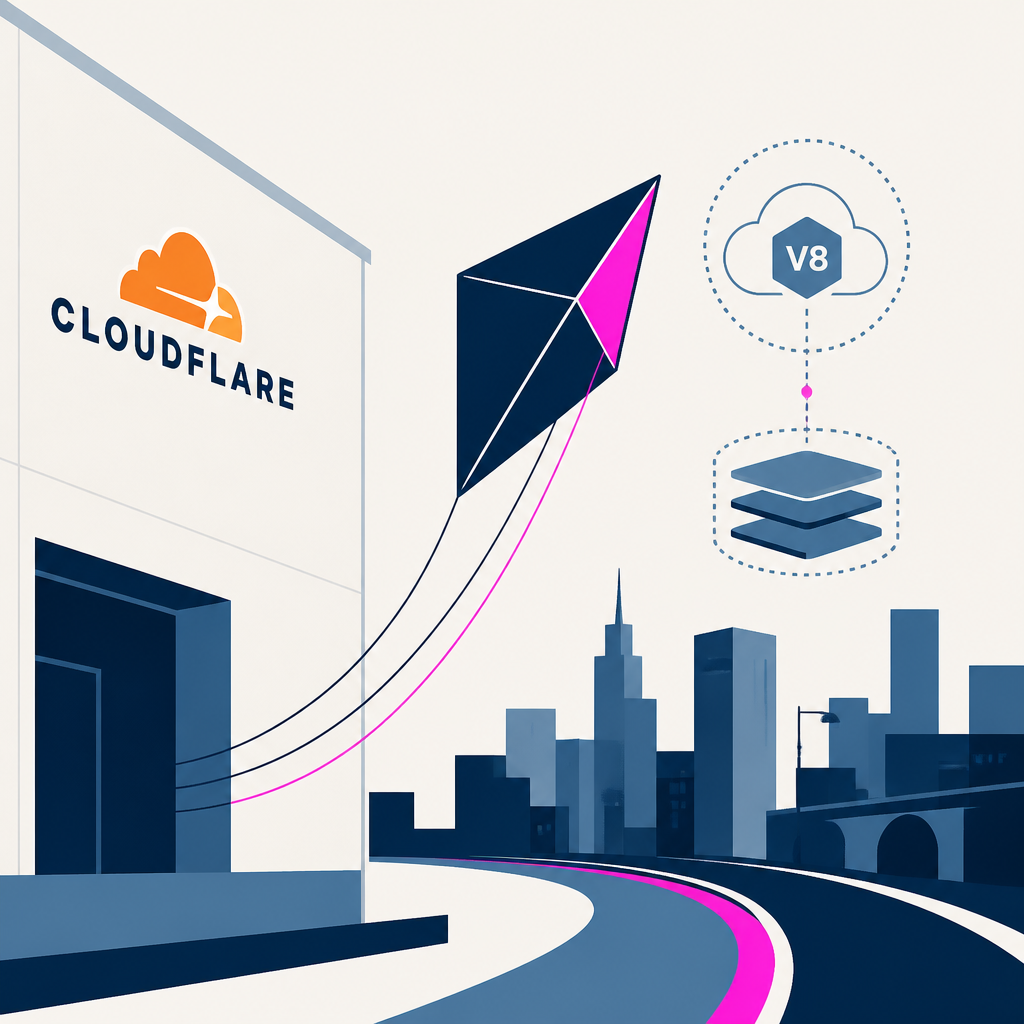 Cloudflare Introduces Kitesurf: An Agent-First Web Browser That Runs Entirely in V8 Isolates on Cloudflare Workers
MarkTechPost · 4 weeks ago ·
8
Cloudflare Introduces Kitesurf: An Agent-First Web Browser That Runs Entirely in V8 Isolates on Cloudflare Workers
MarkTechPost · 4 weeks ago ·
8