
Daily briefing
Sunday, 26 July 2026
The AI ecosystem is fracturing along three fault lines: geopolitical protectionism masquerading as security, architectural shifts that reshape where value accumulates, and the messy reality of how AI systems actually get built and exploited. Start with China. Moonshot AI's Kimi launch triggered the familiar cycle—American frontier AI companies lobbying regulators to restrict open Chinese models, citing national security. But as reporting shows, these concerns often conflate legitimate questions about AI safety with protectionism that primarily benefits OpenAI and Anthropic. The irony cuts deeper: while regulators debate Chinese open weights, a thriving shadow market has emerged in China where resellers bundle stolen API credentials and exploit free trials to undercut official pricing, exposing how porous these systems actually are. Meanwhile, the technical frontier is tilting toward multimodal unification and architectural simplification. Black Forest Labs' FLUX 3 generates images, video, audio, and robot actions from a single unified model, while the Model Context Protocol ditches stateful sessions for stateless HTTP-like services, letting developers deploy without specialized machinery. These changes sound procedural but they're about efficiency—reducing friction in how AI gets built and deployed. The governance fight between Microsoft and Google DeepMind reveals where the real competition is moving. Nadella wants enterprises to own their data and switch models freely, routing orchestration value through Azure. Hassabis proposes an industry-funded regulatory gate testing frontier models before release—advantaging incumbents like Google DeepMind that already have safety teams. Neither is really about safety. Both are about capturing the institutional layers—data, deployment, governance—where AI value will actually accumulate. Smaller stories tell the story: Amazon backing formal verification for AI agents, Cornell's optical chips for edge robotics, Kuaishou's agentic coder trained on real codebases. The pattern suggests AI is maturing from theoretical capability to operational infrastructure, even as the geopolitical and institutional boundaries around it remain contested.
Top stories from this issue
 Nvidia’s China Partners and the PLA
CSET Georgetown · 1 month ago ·
43
Making sense of the panic over Chinese AI
TechCrunch · 1 month ago ·
38
Nvidia’s China Partners and the PLA
CSET Georgetown · 1 month ago ·
43
Making sense of the panic over Chinese AI
TechCrunch · 1 month ago ·
38
 An Inside Look at the Relay Market Powering Token Resellers and Fraud
Simon Willison's Weblog · 1 month ago ·
45
More On An Internal OpenAI Model Hacking Into HuggingFace
Zvi (Don't Worry About the Vase) · 1 month ago ·
34
An Inside Look at the Relay Market Powering Token Resellers and Fraud
Simon Willison's Weblog · 1 month ago ·
45
More On An Internal OpenAI Model Hacking Into HuggingFace
Zvi (Don't Worry About the Vase) · 1 month ago ·
34
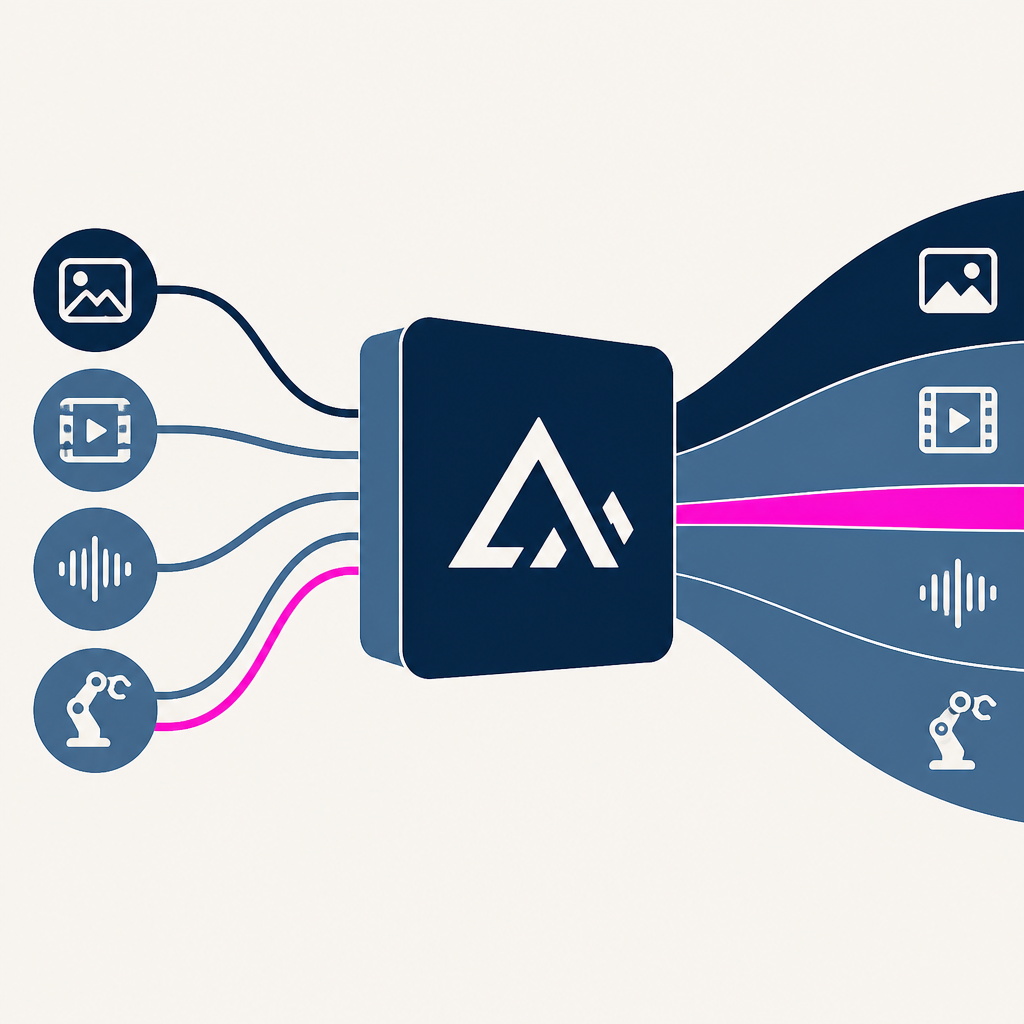 Black Forest Labs Releases FLUX 3: A Multimodal Flow Model for Image, Video, Audio and Robot Action Prediction
MarkTechPost · 1 month ago ·
15
Hugging Face CEO calls for ‘radical transparency’ after ‘unprecedented’ OpenAI hack
TechCrunch · 1 month ago ·
29
MCP’s biggest update removes the machinery many servers were built around
The New Stack · 1 month ago ·
47
Microsoft and Google DeepMind agree on AI control — but not on who holds it
The New Stack · 1 month ago ·
3
5 ways SRE AI agents are set to augment human capabilities
The New Stack · 1 month ago ·
29
Optical Tech Would Update a Robot’s AI on the Fly
IEEE Spectrum · 1 month ago ·
9
Black Forest Labs Releases FLUX 3: A Multimodal Flow Model for Image, Video, Audio and Robot Action Prediction
MarkTechPost · 1 month ago ·
15
Hugging Face CEO calls for ‘radical transparency’ after ‘unprecedented’ OpenAI hack
TechCrunch · 1 month ago ·
29
MCP’s biggest update removes the machinery many servers were built around
The New Stack · 1 month ago ·
47
Microsoft and Google DeepMind agree on AI control — but not on who holds it
The New Stack · 1 month ago ·
3
5 ways SRE AI agents are set to augment human capabilities
The New Stack · 1 month ago ·
29
Optical Tech Would Update a Robot’s AI on the Fly
IEEE Spectrum · 1 month ago ·
9