
AI in Automotive
Carmakers and suppliers where AI drives autonomous driving, driver assistance and software-defined vehicles.
Use cases
Edge AI compute platforms for vehicle and robotics workloads Emerging
- Problem:
- Automakers and suppliers need on-vehicle compute that can run large perception and planning models without relying on cloud connectivity, especially for safety-critical decisions.
- Capability:
- Edge AI inference (compact high-throughput accelerators such as Jetson-class modules and custom automotive AI chips)
- Value:
- Reduces latency and connectivity dependence for safety-critical functions while enabling scalable deployment of increasingly complex self-driving neural networks across vehicle lines.
Barriers: Integration complexity across hardware generations, cost of upgraded compute (e.g., higher-RAM AI4+ chips), and validation/certification overhead.
Highway/urban driver-assistance (FSD/ADAS) systems Proven
- Problem:
- Consumers and fleets want reduced driver workload and improved safety on both highway and urban routes, but full autonomy remains unreliable in edge cases.
- Capability:
- Computer vision and neural network-based perception/planning running on in-vehicle AI accelerators
- Value:
- Improves customer safety perception and differentiates vehicle software offerings, supporting premium pricing and subscription revenue for advanced driver-assistance features.
Barriers: Trust and liability concerns highlighted by fatal crash investigations, regulatory scrutiny, and the need for robust human-override safeguards.
Humanoid robots for manufacturing and assembly Experimental
- Problem:
- Automakers face labor shortages and rising costs in vehicle assembly, and want to automate repetitive or physically demanding tasks on the factory floor.
- Capability:
- Physical AI / robotics (world models, reinforcement learning-based control)
- Value:
- Potential to increase manufacturing throughput and flexibility while reducing dependence on manual labor for certain tasks.
Barriers: Labor relations and workforce resistance (e.g., factory strikes over job protection), integration with existing production lines, and unproven reliability at scale.
Robotaxi passenger service Emerging
- Problem:
- Ride-hailing and urban mobility markets need scalable, driver-independent transportation options as labor costs and driver shortages persist.
- Capability:
- Autonomous driving (sensor fusion, planning, computer vision)
- Value:
- Enables new revenue streams from paid driverless rides and positions companies to capture mobility-as-a-service market share ahead of competitors.
Barriers: Regulation (NHTSA exemptions and local permitting), public trust after high-profile crashes, and high capital costs of purpose-built vehicles and compute hardware.
Leading vendors
Companies appearing most often in our recent Automotive coverage.
Recent developments
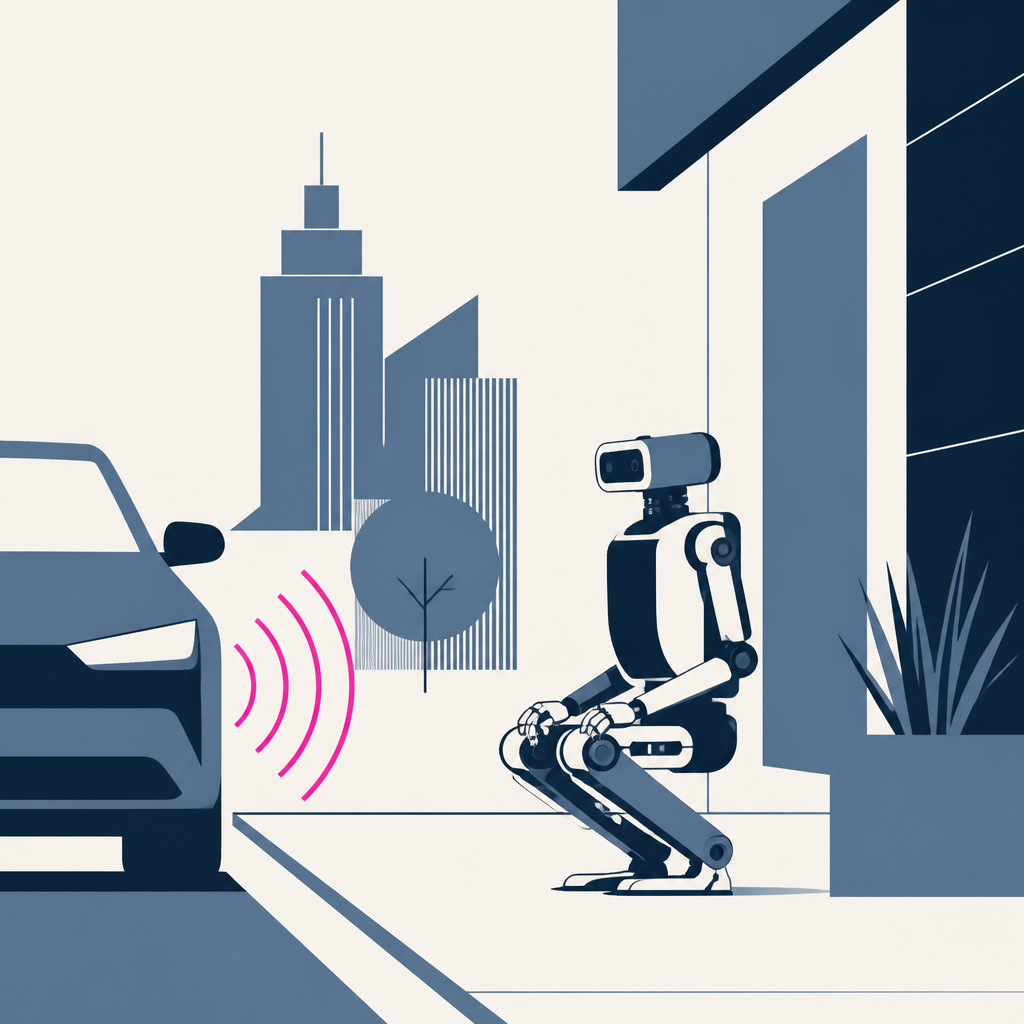 Agility’s new humanoid robot will stop, squat to avoid harming human coworkers
Ars Technica · 2 days ago ·
20
Waymo pulls over, calls cops on riders with a ghost gun
The Verge · 4 days ago ·
39
Physical AI Takes the Wheel: How the World’s Robotaxi Leaders Are Building With NVIDIA Technologies
NVIDIA Blog · 1 week ago ·
42
When will average people feel AI’s impact?
Interconnects · 1 week ago ·
49
Agility’s new humanoid robot will stop, squat to avoid harming human coworkers
Ars Technica · 2 days ago ·
20
Waymo pulls over, calls cops on riders with a ghost gun
The Verge · 4 days ago ·
39
Physical AI Takes the Wheel: How the World’s Robotaxi Leaders Are Building With NVIDIA Technologies
NVIDIA Blog · 1 week ago ·
42
When will average people feel AI’s impact?
Interconnects · 1 week ago ·
49
 Towards Self-Driving Codebases
Detail · 1 week ago ·
42
Travis Kalanick’s Atoms might be getting into the robotaxi business
TechCrunch · 1 week ago ·
46
Towards Self-Driving Codebases
Detail · 1 week ago ·
42
Travis Kalanick’s Atoms might be getting into the robotaxi business
TechCrunch · 1 week ago ·
46