Latent Space
·
2 weeks ago
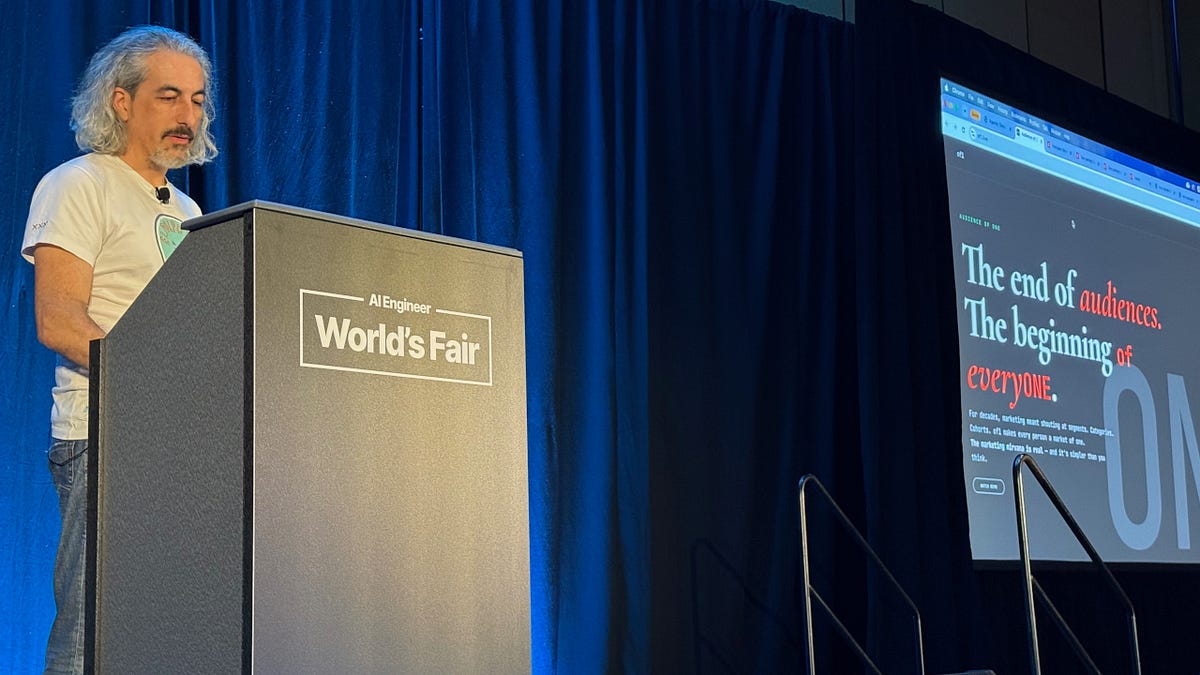
Adobe demonstrated an "agentic site" that assembles web pages in real time based on each visitor's intent, retrieving from existing content rather than generating pages from scratch. The system generates personalized pages within one to two seconds at an inference cost of one to two cents per page. Adobe has not yet deployed this widely on customer sites but is seeking organizations willing to experiment, as website owners evaluate various AI functionalities and uncertain how to integrate them effectively.

MIT Technology Review AI
·
2 weeks ago
Companies are integrating AI into established process optimization frameworks like Lean Six Sigma and business process management to improve operational performance. The AI-powered process optimization market is projected to reach $113 billion within the next decade, with 88% of business leaders planning to increase AI process intelligence investments over the next 12 to 18 months. Organizations with mature process disciplines are better positioned to realize AI's value because they already operate with data-driven decision-making and measurement habits that AI systems require.

MIT Technology Review AI
·
2 weeks ago
Woodside Energy has spent over a decade building AI systems for industrial operations, starting with predictive analytics and maintenance optimization rather than consumer-facing generative AI tools. The company's maintenance intelligence system can reduce maintenance hours by up to 15% over five years by analyzing historical records alongside equipment performance data. Woodside is now scaling these foundational systems across the enterprise by embedding agentic AI into core workflows while maintaining human accountability and decision-making authority.

Rest of World
·
2 weeks ago
India launched a government-backed hackathon partnering Bhashini, Current AI, and Kalpa Impact to develop affordable, multilingual AI tools that run offline using open-source models for use in schools, farms, and villages with limited connectivity. Organizers will select 20 teams to receive hardware kits and mentorship, with winning solutions to be deployed in government departments. The initiative reflects a shift toward viewing AI as public infrastructure rather than proprietary products, though experts question whether hackathon prototypes can scale without sustained funding, engineering talent, and clear business models.
