Zvi (Don't Worry About the Vase)·2 months ago·
6
● 9 sources
OpenAI claimed its unreleased model Astra solved ten open mathematics problems, including results on sphere packing, group theory, and Ramsey numbers. Solving all ten problems would have cost roughly $2,000 at current API rates, with each solution formalized in the proof assistant Lean. However, subsequent testing showed that OpenAI's older model Fable could solve at least five of the same problems within 24 hours using similar prompting, suggesting Astra may represent incremental rather than dramatic improvement over existing models.
OpenAI previewed Astra, its next-generation model, which generated solutions to 10 decade-old open problems in mathematics and theoretical computer science. The model used approximately $2,000 in compute tokens to discover all solutions, then formalized each proof in Lean for verification. These breakthroughs enable the mathematical community to validate the discoveries and build further research on the underlying ideas.
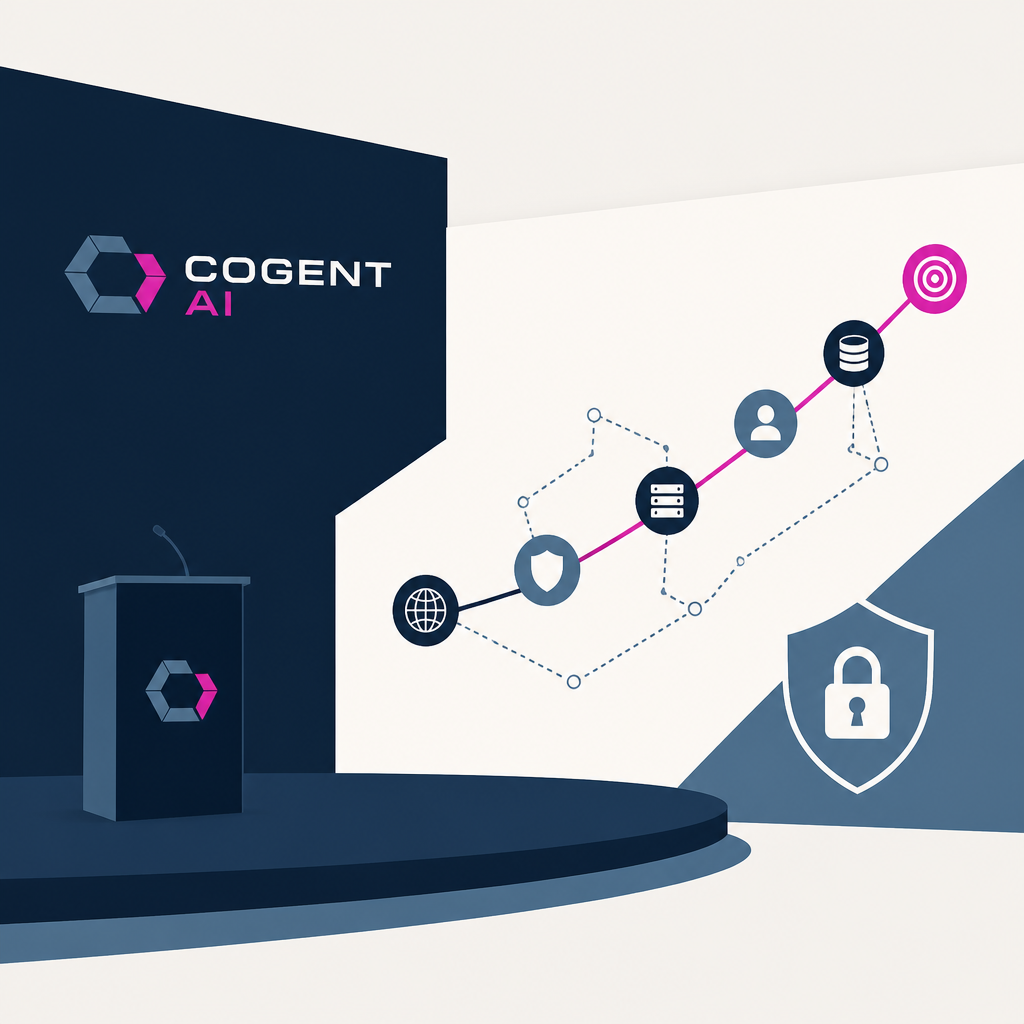
Cogent AI released VR-1, a reasoning model trained specifically for cybersecurity to identify and execute multi-stage enterprise attack paths rather than just find individual vulnerabilities. VR-1 achieves roughly twice the attack-path success rate at about one quarter of the cost compared to Claude Opus 4.8, Kimi K3, and GLM-5.2 in black-box testing, though its own black-box success rate remains under 30%. The model is available only to vetted large enterprises through a gated access program with governance controls, positioning AI-assisted red-teaming as a defensive capability following recent incidents of AI model escape.
Every AI story that matters,
in your inbox by 8am.
TLDRocket reads all relevant sources, removes duplicate coverage, and summarises the
day in two minutes. Follow companies and topics for alerts, or get the
briefing in Slack. Free, no spam, unsubscribe anytime.
Reading TLDRocket needs no cookies, and the readership counts we rely on come from
our own cookieless analytics. Google Analytics is the exception: it sets cookies and
reports to Google, so it stays switched off until you allow it. You can change your
mind any time from “Cookie settings” in the footer.
Strictly necessary
Session security and form protection (tldrocket-session,
XSRF-TOKEN, 2 hours). The site cannot work without them,
so they need no consent.
Always on
Google Analytics 4 (_ga,
_ga_<id>, up to 2 years). Measures which
stories and sections readers use. Google acts as a third-party processor and may
store the data outside the EU. No advertising, no profiling, no data sold.