India forces caller-ID apps to feed spam reports to telcos
TechCrunch Jagmeet Singh
India now makes caller-ID apps pass spam reports to telcos. Truecaller says that’s anti-competitive, and the fight is over who owns the data.
Based on reporting by TechCrunch, Jagmeet Singh — read the original for the full story.
Summary, retelling and take written by AI under human oversight; images are AI-generated illustrations. How we work · Report an error
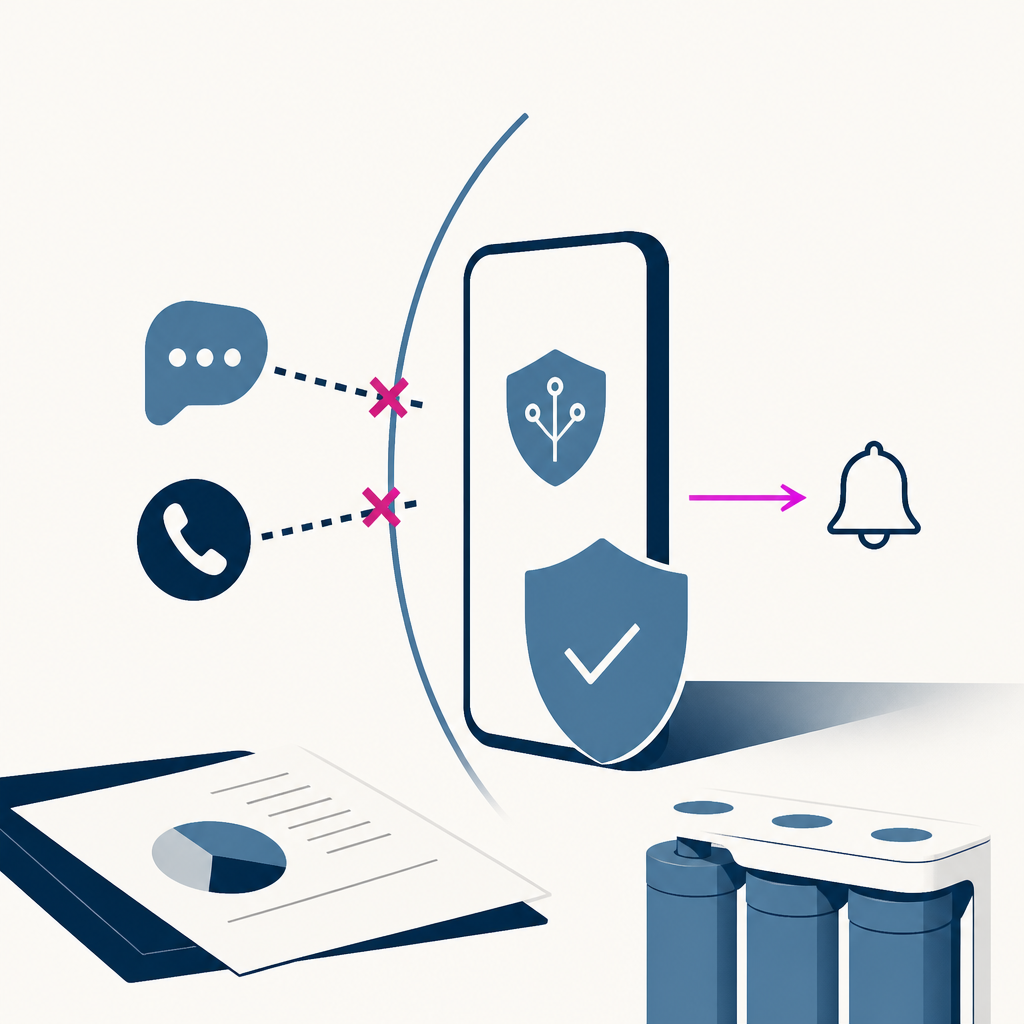
India’s anti-spam rules just got a lot broader. On Friday, the Telecom Regulatory Authority of India changed the commercial-communications rulebook so caller-ID and call-management apps that let people mark calls as spam or junk must send those reports to a blockchain-based system run by telecom operators.
TRAI says the point is simple: more reports should mean more action against spammers. In practice, it ties apps like Truecaller into the telecom industry’s enforcement machinery, which is exactly why Truecaller is pushing back. The company called the requirement a one-way exchange and said it shifts commercially valuable data from app makers to operators.
India matters here more than anywhere else for Truecaller. The Stockholm-based company says the country is its largest market, with well over 350 million of its more than 500 million monthly active users globally. It relies on user reports, automated detection and other signals to spot spam calls. In February, it said people in India encountered about 42 billion spam calls in 2025, and that it blocked nearly 12 billion of them.
This is also a familiar turf war. Truecaller had already objected to earlier restrictions on automatically labeling calls from certain government-designated number ranges as spam. Friday’s changes keep that restriction in place and also bar apps from blanket blocking, filtering or spam-tagging calls from designated number series used for promotional, service and transactional messages. People can still block those calls themselves on their devices.
The messy part is what apps will actually have to hand over, and how the rule will be enforced. Policy experts told TechCrunch that the new setup raises technical and jurisdictional questions, especially for companies that are not telecom operators. The amendments also bring AI-powered calling systems into TRAI’s application-to-person framework, meaning robocalls and prerecorded or artificial-voice calls have to be declared to operators in advance or be treated as spam. Operators can also charge up to 5 paise per minute on those calls, except for certain designated number ranges.
My take — AI-written commentary, not fact-checked reporting
This is the usual telecom move: if a platform gets useful data, the regulator eventually decides it should be piped into the mothership. Fine for enforcement, awkward for anyone who thought app-level intelligence was a moat. India keeps showing that “open” only lasts until the operators want a seat at the table.
Read more about this at: TechCrunch