
Emerald AI, Google and NVIDIA Launch Alliance to Advance Flexible AI Data Centers
NVIDIA Blog Josh Parker ● Covered by 6 sources
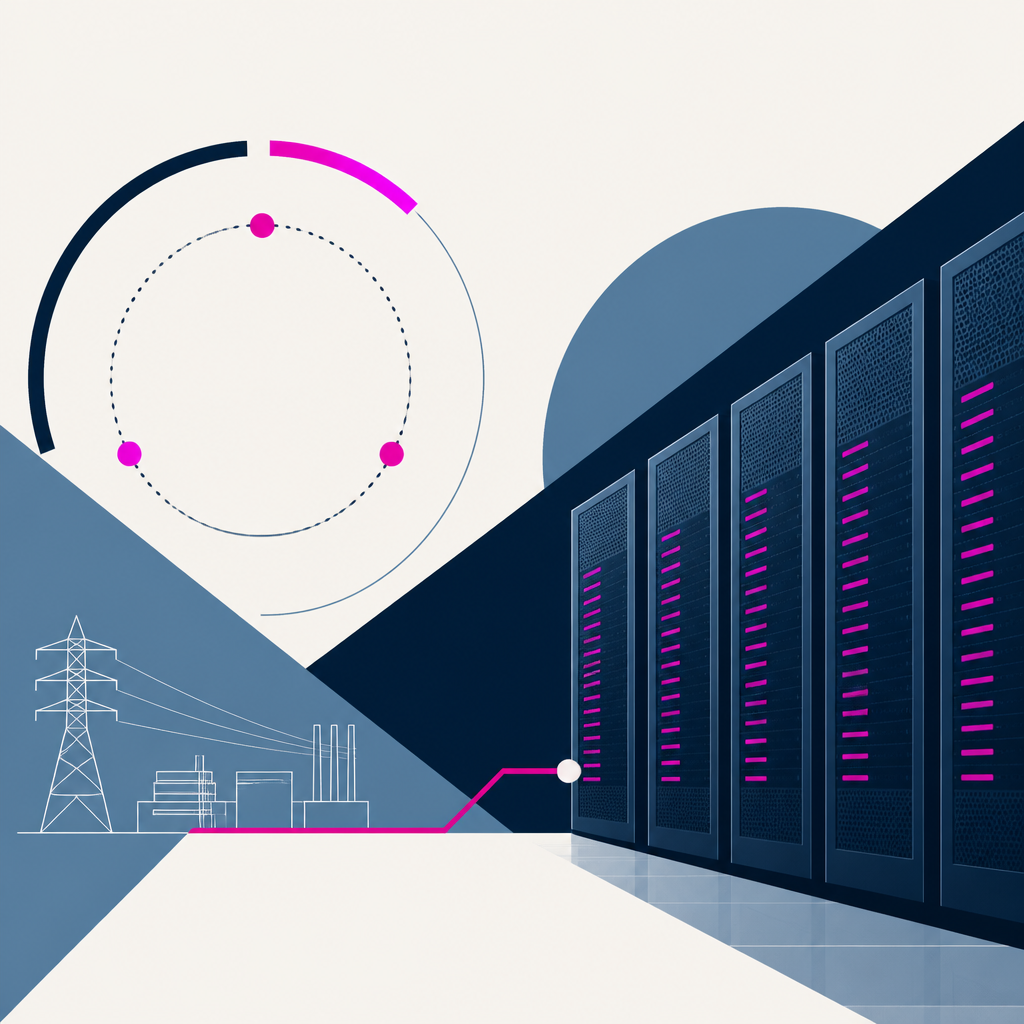
Google, NVIDIA and Emerald AI launched a group to make AI data centers flexible on the grid. The bet: if server farms can modulate power, they may get connected faster and stress the grid less.
Based on reporting by NVIDIA Blog, Josh Parker — read the original for the full story.
Summary, retelling and take written by AI under human oversight; images are AI-generated illustrations. How we work · Report an error
Google, NVIDIA and Emerald AI have launched the AI Energy Management Alliance, a new coalition built around a simple idea: AI data centers should be able to change how much power they use when the grid needs it. The group calls itself first-of-its-kind, and it is aiming at a problem that’s becoming hard to ignore. AI infrastructure is hungry for electricity, and the old playbook for connecting big loads was written for facilities that behave like flat, predictable consumers.
That’s the core shift here. Instead of treating a data center as an inflexible drain on the system, AEMA wants it to act more like a controllable resource. A site could shift computing work, tap storage, lean on paired generation or respond when the system is under strain. In theory, that gives utilities and grid operators more confidence to approve connections sooner, while also helping avoid or delay expensive grid upgrades.
The alliance is making a point of being technology-neutral and performance-based. It cares about what a facility can do, not what hardware it uses to do it. The emphasis is on measurable behavior: how fast it reacts, how long it can sustain that response, how predictable it is and what happens during an emergency. Reliability sits at the center of the plan, not as an afterthought.
AEMA’s principles also sketch out a more disciplined setup for new projects. They call for defining ride-through, curtailment and contingency-response obligations before a facility connects, standardizing technical requirements and data sharing, and creating faster, risk-adjusted paths for customers that can prove their flexibility. The group also wants interconnection costs to reflect actual system impacts and benefits, including avoided upgrades and better ramping capability.
This is also a broad coalition play. AEMA brings together AI platforms, infrastructure providers, data center operators, tech companies, power producers, utilities and regional grid operators, with launch partners joining in as well. NVIDIA and Emerald AI say they’re already working with energy and infrastructure leaders on AI factories that can respond to grid conditions in real time, and the alliance is meant to widen that effort across the U.S. The message is blunt: the rules for AI power are being written now, so the companies that want more grid access may have to earn it by behaving like good citizens for once.
My take — AI-written commentary, not fact-checked reporting
This is the rare AI infrastructure story that sounds less like hype and more like a bill coming due. The industry spent years acting as if the grid would simply admire the workload and make room; now it has to learn manners. Flexibility is not a nice extra anymore, it’s the price of admission.
Read more about this at: NVIDIA Blog