
Caterpillar and CoreWeave shorten the learning loop for physical AI
SiliconANGLE Jonathan Anthony ● Covered by 2 sources
Caterpillar and CoreWeave are using AI to train construction machines faster. They say the feedback loop for field data now can shrink from months to hours.
Based on reporting by SiliconANGLE, Jonathan Anthony — read the original for the full story.
Summary, retelling and take written by AI under human oversight; images are AI-generated illustrations. How we work · Report an error
Caterpillar and CoreWeave are trying to speed up one of the hardest parts of physical AI: teaching machines to deal with the messiness of a real construction site. The pitch is simple enough. Mining is one thing. Construction is another. One changes slowly once it’s set up; the other never seems to stop moving.
That difference matters because the industry is under pressure from two directions at once: demand is rising for data centers, power plants and highways, while productivity has slipped and skilled machine operators are harder to find. Caterpillar has spent years on autonomous equipment in mining, but extending that work into construction means building systems that can handle far more variable conditions. Brandon Hootman, who runs physical AI platforms and construction autonomy at Caterpillar, called it a structured system being forced into an unstructured environment.
CoreWeave says physical AI also changes what the infrastructure has to do. The company recently launched a Physical AI Field Engineering service that puts its engineers alongside customer domain experts. Richard Ahlfeld, who leads Physical AI at CoreWeave, said these workloads need a lot of storage and a different infrastructure. Training an autonomous excavator, in this setup, means pulling in telemetry and vision data, simulating digging scenarios many times and then stacking reinforcement learning on top.
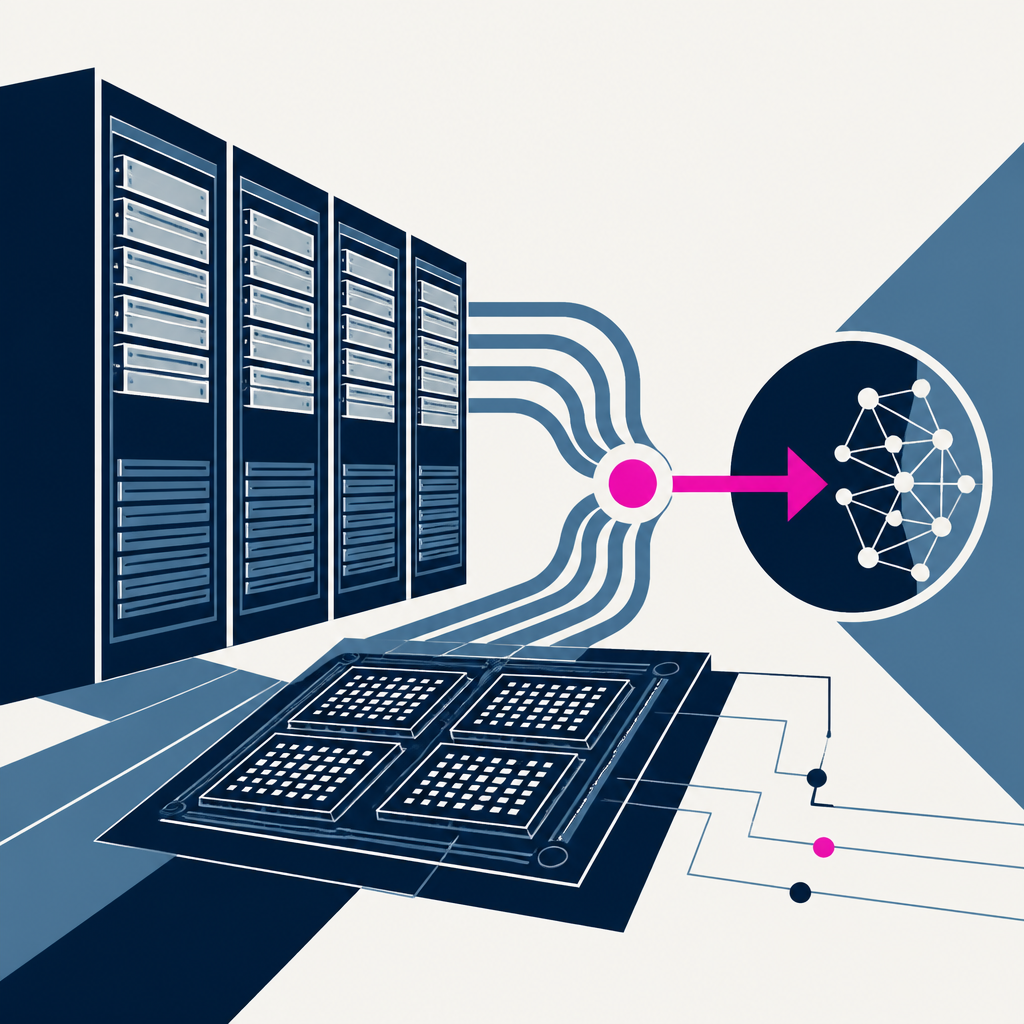
Caterpillar says it already has about 18 petabytes of federated data from machines, dealers and customers, but Hootman called that only a small piece of what’s needed to train physical AI for a construction site. He said a single machine can generate terabytes of data in a day when you combine LiDAR, camera feeds, control data and performance data. Working with Nvidia, the companies use AI models to annotate and label incoming field data, cutting the turnaround from months or weeks to hours so the training loop can close within the same workday.
CoreWeave listed Caterpillar as one of its enterprise customers in its second-quarter results, and Caterpillar said it started working with the company this year for GPU capacity and applied expertise. That’s the real story here: physical AI isn’t just about better machines. It’s about who can move data fast enough to keep them learning.
My take — AI-written commentary, not fact-checked reporting
The boring part of AI is turning out to be the important part: storage, labeling, and not making robots wait around for humans to sort the evidence. That’s where the money is hiding now. The grand autonomy talk is nice, but the winners will be the people who make the feedback loop shorter without pretending physics has been replaced by vibes.
Read more about this at: SiliconANGLE
Related stories
 From Training to Production, NVIDIA and CoreWeave Close the Loop on Agentic AI
NVIDIA Blog · 6 days ago ·
23
From Training to Production, NVIDIA and CoreWeave Close the Loop on Agentic AI
NVIDIA Blog · 6 days ago ·
23