
AI in Retail
Retailers and e-commerce platforms applying AI to personalisation, merchandising, pricing and store operations.
Use cases
24/7 conversational shopping and customer service agents Emerging
- Problem:
- Retailers need round-the-clock, multilingual customer support and shopping assistance without proportionally scaling human staff.
- Capability:
- Conversational agents / real-time voice AI
- Value:
- Deployments like Yamada Denki's GPT-Realtime agent reached 30,000 shoppers in two weeks with 92% positive experience, showing potential for scaled, low-cost customer engagement.
Barriers: Trust and escalation paths to humans; documented consumer frustration when bots block access to human agents in complex cases
AI-driven demand forecasting for inventory and pricing Emerging
- Problem:
- Retailers struggle to accurately predict store-level and SKU-level demand across seasons, promotions, and store variations, leading to stockouts or excess inventory.
- Capability:
- Time-series forecasting with foundation models (e.g., TimesFM) including anomaly detection and covariate handling
- Value:
- Improved forecast accuracy over seasonal naive and classical baselines can reduce inventory holding costs and stockouts across multi-store operations.
Barriers: Data quality and integration across store systems; need for retraining/monitoring against real-world drift
AI-powered product discovery and search Experimental
- Problem:
- Traditional e-commerce search relies on seller-provided labels and keyword matching, often failing to surface the most relevant products and hurting conversion rates.
- Capability:
- Neurosymbolic search / knowledge-graph reasoning over product attributes
- Value:
- More accurate, inspectable product discovery can significantly lift search relevance and conversion versus incumbent search engines, as shown by benchmark wins against major platforms.
Barriers: Integration with existing catalog and search infrastructure; need for structured, high-quality product attribute data
Virtual try-on and 3D product visualization Emerging
- Problem:
- High return rates in fashion e-commerce stem from customers being unable to assess fit, size, or appearance before purchase.
- Capability:
- Generative AI / computer vision for 3D model generation from product photos
- Value:
- Retailers like ASOS, Breuninger, and Maybelline report measurable reductions in return rates after moving virtual try-on from pilot to production.
Barriers: Image data quality and pipeline costs; integration with existing product catalogs
Leading vendors
Companies appearing most often in our recent Retail coverage.
Recent developments
 Copenhagen’s Complir raises $11M to tackle product compliance bottlenecks
Tech.eu · 2 days ago ·
13
General Catalyst leads $11M seed into Complir’s AI retail compliance platform
Tech Funding News · 2 days ago ·
39
Copenhagen’s Complir raises $11M to tackle product compliance bottlenecks
Tech.eu · 2 days ago ·
13
General Catalyst leads $11M seed into Complir’s AI retail compliance platform
Tech Funding News · 2 days ago ·
39
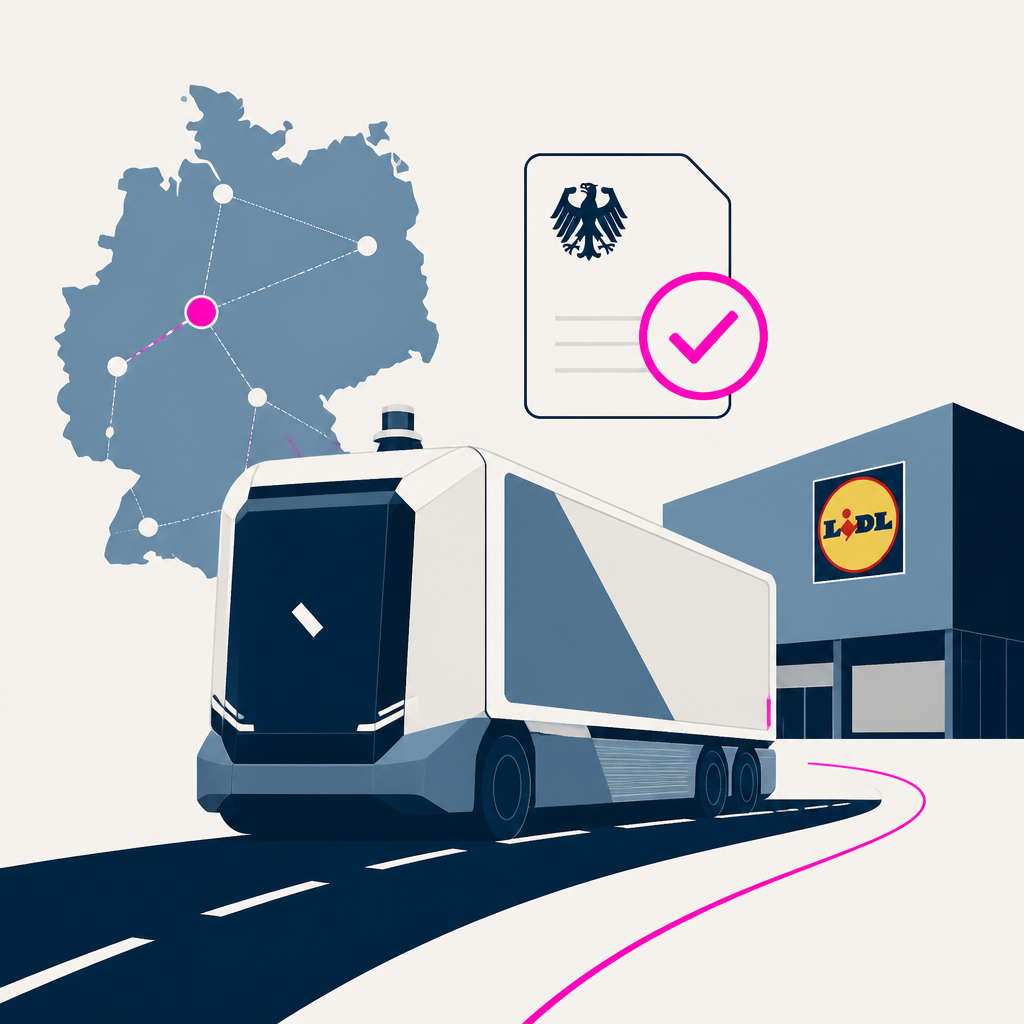 Einride and Lidl deploy Germany’s first driverless cab-less truck on public roads
Tech.eu · 2 days ago ·
30
Einride and Lidl deploy Germany’s first driverless cab-less truck on public roads
Tech.eu · 2 days ago ·
30
 Lithuanian legaltech EnforceShield secures €1.7M for automated IP enforcement
Tech.eu · 3 days ago ·
17
Apple After the iPhone Duo: “The Bigger Strategic Question Remains AI”
Trending Topics · 6 days ago ·
39
How Heurist Finance built an AI-native investment workbench on Amazon Bedrock AgentCore
Amazon Web Services · 1 week ago ·
35
Geordie launches Cost Intelligence to tie AI spending to agent activity
SiliconANGLE · 1 week ago ·
30
Naoma AI Demo Agent V2
Product Hunt · 1 week ago ·
33
Lithuanian legaltech EnforceShield secures €1.7M for automated IP enforcement
Tech.eu · 3 days ago ·
17
Apple After the iPhone Duo: “The Bigger Strategic Question Remains AI”
Trending Topics · 6 days ago ·
39
How Heurist Finance built an AI-native investment workbench on Amazon Bedrock AgentCore
Amazon Web Services · 1 week ago ·
35
Geordie launches Cost Intelligence to tie AI spending to agent activity
SiliconANGLE · 1 week ago ·
30
Naoma AI Demo Agent V2
Product Hunt · 1 week ago ·
33
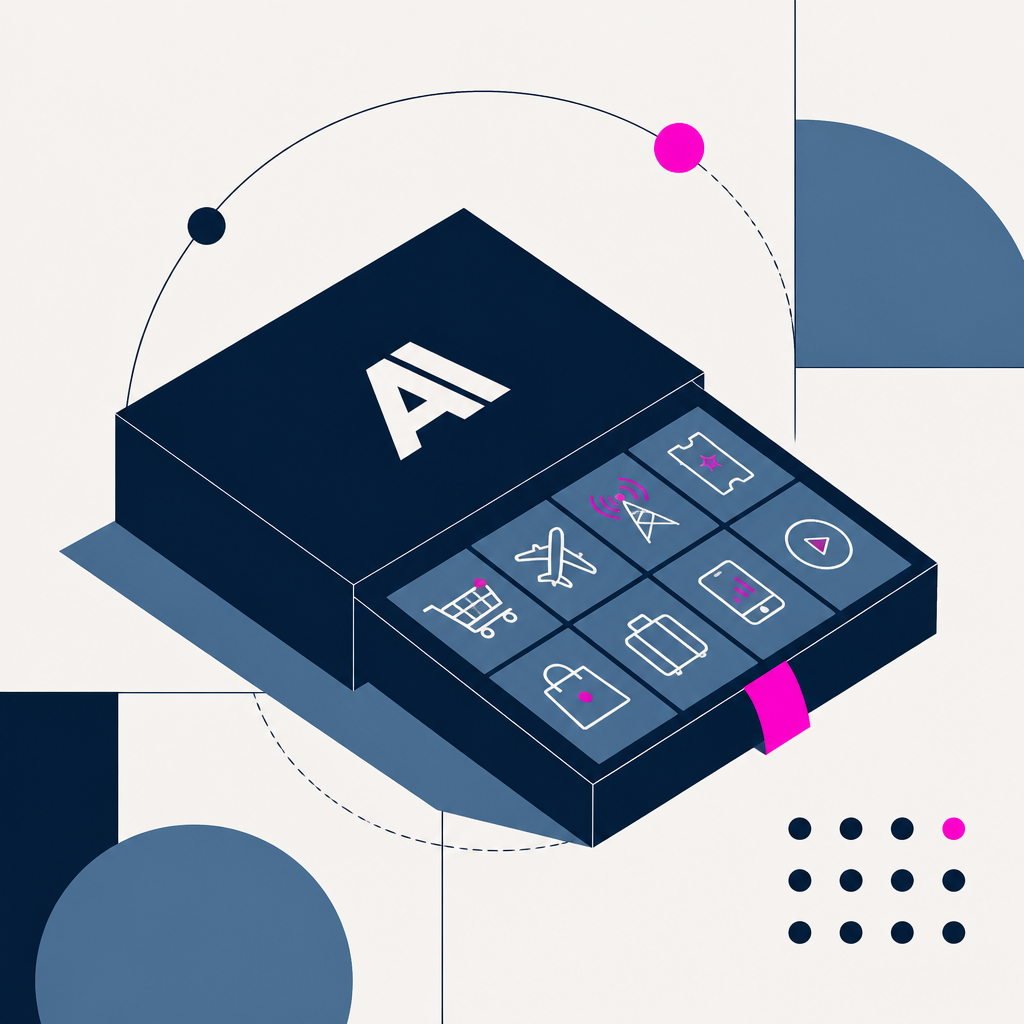 Anthropic Released Claude Commerce Agents: An Apache-2.0 Blueprint for Shopping and Merchant Agents Across Retail, Travel, Telecom and Entertainment
MarkTechPost · 2 weeks ago ·
32
Anthropic Released Claude Commerce Agents: An Apache-2.0 Blueprint for Shopping and Merchant Agents Across Retail, Travel, Telecom and Entertainment
MarkTechPost · 2 weeks ago ·
32
 ATV Big Air Tour turned 3 days of work into 3 hours with ChatGPT
OpenAI · 2 weeks ago ·
13
ATV Big Air Tour turned 3 days of work into 3 hours with ChatGPT
OpenAI · 2 weeks ago ·
13