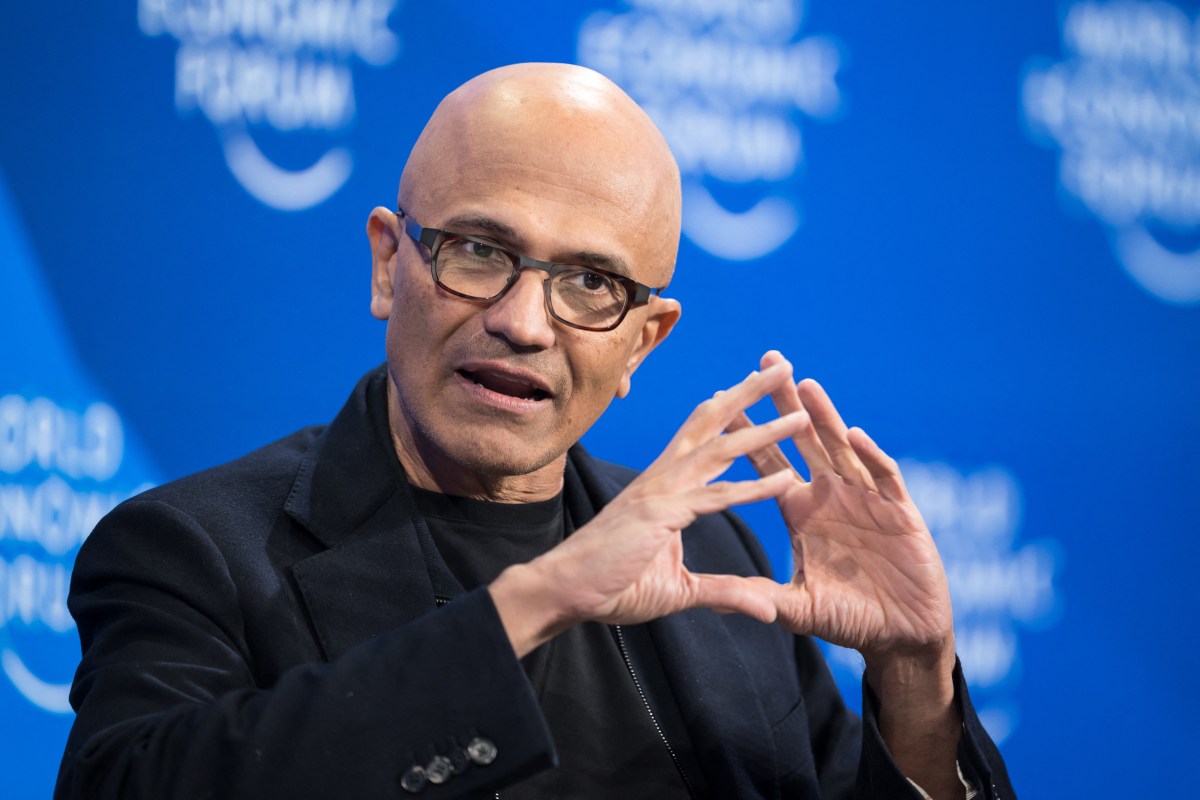
Microsoft has stopped pretending to be merely a venture capitalist in AI and announced it's now a direct competitor to OpenAI and Anthropic. CEO Satya Nadella framed the company's proprietary MAI models and Maya chips as lower-cost alternatives to frontier labs, betting that enterprises will prefer safety through modularity—essentially, spreading risk across Microsoft's own stack rather than betting everything on a single partner's latest model. The timing is telling: with $331.8 billion in annual revenue, Microsoft has the balance sheet to fund both sides of this bet, backing OpenAI and Anthropic while simultaneously building models and hardware to reduce customer dependency on them. This isn't about Microsoft suddenly believing it can outrun frontier AI labs in raw capability. It's about control. By offering cheaper models, specialized chips, and an ecosystem where enterprises aren't locked into one lab's breakthroughs, Microsoft is using its dominant position in enterprise software and cloud infrastructure to reshape how AI gets deployed. The announcement exposes a fundamental tension in Silicon Valley: companies that fund AI labs also want to capture the value those labs create. Microsoft has decided the investment returns aren't worth the strategic risk anymore.