
Wired AI
·
5 days ago
● 6 sources
Apple sued OpenAI for allegedly stealing hardware secrets through former Apple employees, including OpenAI's chief hardware officer who spent 24 years at Apple. OpenAI has hired over 400 former Apple employees and paid $6.5 billion to acquire IO Products co-founded by longtime Apple executives including Jony Ive. Meanwhile, OpenAI employees launched a $5 million super PAC called Guardrails Alliance to advocate for stronger AI regulation, opposing the $100 million Leading the Future fund backed by OpenAI executives promoting growth-focused AI policy.

Ars Technica
·
5 days ago
● 2 sources
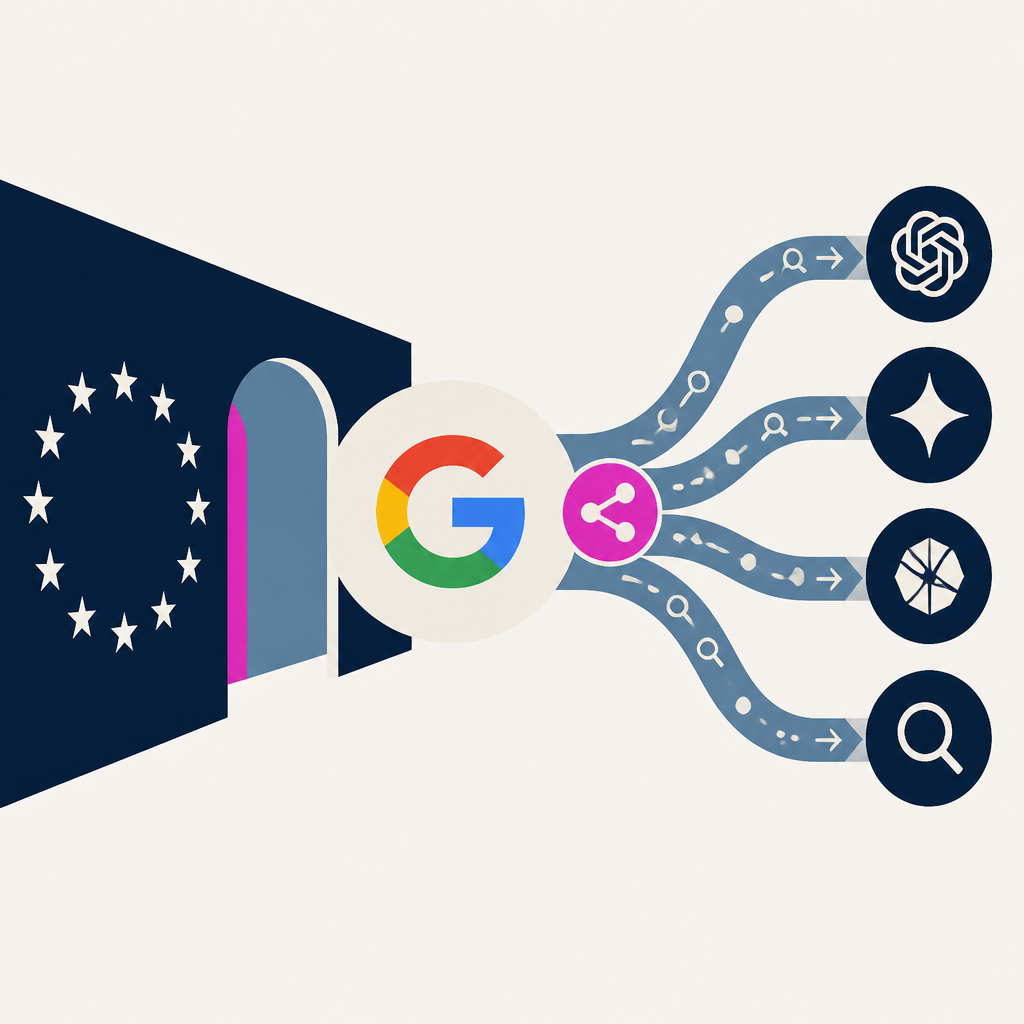
The European Commission has issued legally binding orders requiring Google to share search data and allow competing AI platforms equal access on Android devices, ending Gemini's current preferential treatment and system integration advantages. Google must implement these interoperability measures across Android phones and search in the EU, with Gemini no longer having exclusive access to the "Hey Google" voice activation and system automation features. The changes aim to increase competition and consumer choice in the EU market, though Google argues they will harm privacy and security.

Wired AI
·
5 days ago
● 3 sources
Anthropic is pushing U.S. states to adopt stricter AI safety regulations beyond transparency laws, supporting measures like third-party audits and government authority to block unsafe model deployments. The company defined its support for regulations targeting companies with over $500 million in annual revenue and hundreds of millions in development spending, which would affect only the largest AI developers. Critics like former White House AI czar David Sacks claim this is regulatory capture designed to handicap smaller competitors, though Anthropic frames the effort as ensuring safe AI development regardless of company size.
The Register
·
5 days ago
● 2 sources
The European Commission issued specifications requiring Google to share search data with competitors and allow third-party AI assistants deeper integration into Android, aiming to reduce Google's market dominance in search and mobile operating systems. Google must comply with the search data sharing requirements by January 2027 and the AI interoperability requirements by July 2027, with data sharing subject to anonymization, eligibility conditions, and restrictions on further use. The decisions will enable competing search engines and AI chatbots to access Google's data and Android functionality, giving European users more choices in search and AI services while Google retains control over what data gets shared and which third parties qualify for access.

Sakana AI
Sakana AI co-founder Ren Ito has been appointed to the newly established UN AI for Good Global Commission, joining approximately 40 global leaders from government, industry, and international organizations. The commission, co-chaired by Salesforce's Marc Benioff and including NVIDIA's Jensen Huang and Pfizer's Albert Bourla, will convene its inaugural meeting in Geneva in July 2026. Sakana AI will participate in international discussions on AI trustworthiness, governance, and social implementation to advance responsible AI adoption aligned with UN sustainable development goals.

The Verge
·
5 days ago
New York Governor Kathy Hochul announced her administration is using AI to review every rule and regulation in the state to identify outdated laws. The analysis aims to eliminate regulations such as a $25 dog hunting fee and a requirement for pregnant workers to obtain permits for midnight shifts. This effort could accelerate regulatory modernization work that would otherwise require five years of manual staff review.
404 Media
·
5 days ago
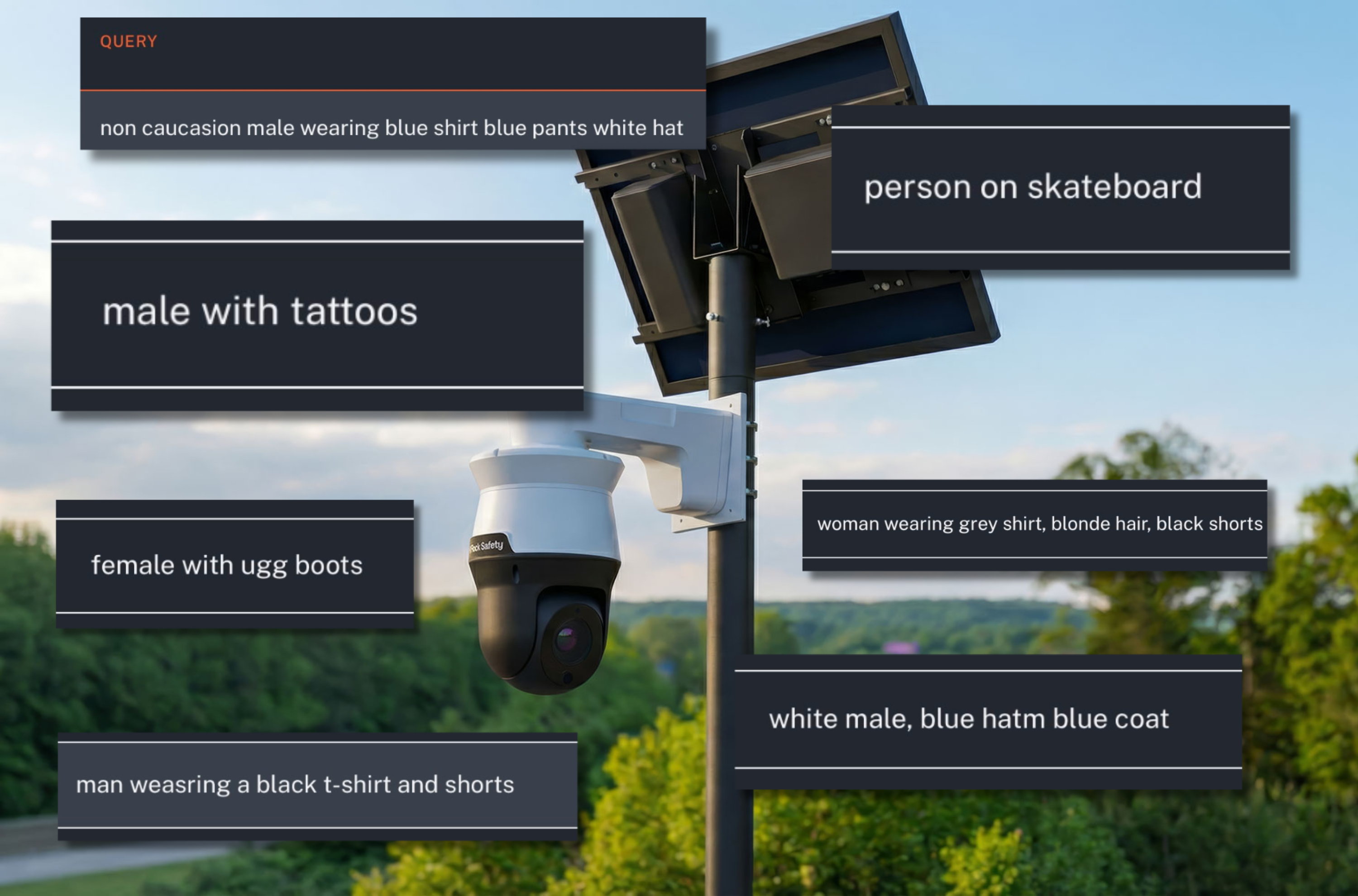
Police departments have used Flock's FreeForm search feature hundreds of times to track specific people based on descriptions like clothing, body type, and accessories rather than license plates, with some searches spanning dozens to hundreds of camera networks. Flock launched FreeForm in February 2025, and searches reviewed by 404 Media show officers querying systems for vague descriptors such as 'person on skateboard,' 'male with tattoos,' and in one case 274 cameras searched for someone in a 'gray shirt.' Civil liberties advocates warn this capability represents a significant expansion of surveillance beyond the stolen vehicle tracking Flock was pitched as, enabling police to track people across wide geographic areas based on limited information without explicit community consent or understanding.

The Verge
·
5 days ago
● 3 sources
The European Union ordered Google to provide AI rivals greater access to Android, the open-source operating system used by billions of devices worldwide. The decision was announced by the European Commission on Thursday as part of its competition enforcement actions. Google's compliance with this directive will require it to share Android access with competing AI assistants, altering how the company can control its platform's ecosystem.

ChinaTalk
·
5 days ago
China is expected to develop an AI model matching Claude's capabilities within months, potentially triggering regulatory responses similar to those in the United States but operating within China's existing governance infrastructure that already includes content controls and mandatory AI-generated content labeling. The American Institute for Public Strategy estimates February 2027 as a likely timeline, though some Chinese developers claim it will arrive by year-end. Chinese regulators will likely implement a staged release approach prioritizing government and critical infrastructure security before wider public availability, rather than allowing unrestricted deployment of such capable models.
TLDR
·
5 days ago
Waymo and Uber are engaged in competing lobbying efforts over autonomous vehicle regulation, with disagreements about job losses and local economic impacts despite their partnership. Waymo operates robotaxi services in San Francisco and Phoenix while Uber continues traditional ride-sharing, creating conflicting business interests. The conflict will likely shape regulatory decisions that determine how quickly autonomous vehicles replace human drivers and which companies profit most from the transition.

Wired AI
·
5 days ago
Meta rolled out a feature allowing AI image generation using Instagram users' likenesses with an opt-out default, triggering backlash that forced the company to disable it within three days. Multiple tech companies including Google, Dropbox, and LinkedIn have adopted similar opt-out defaults for AI features, placing the burden on users to disable unwanted functionality. Privacy experts argue that opt-in defaults, as required by the EU's GDPR, would better protect user privacy and reduce the need for constant manual adjustments.

The Verge
·
5 days ago
● 3 sources
Google must give rival search engines and AI assistants greater access to Android and Google Search following EU antitrust orders. The company has until January 2027 to begin sharing search data and July 2027 to implement Android changes. This could diminish Google's control over these platforms and create opportunities for competitors to expand their services.

The Batch
● 5 sources
Claude Fable 5 and Mythos 5 models were restored by Anthropic on July 1 after a three-week suspension imposed by the U.S. government over national security concerns related to cybersecurity capabilities. Anthropic implemented additional guardrails that route certain cybersecurity queries to the less capable Claude Opus 4.8, and the models are now available through the Claude API and other Anthropic platforms. The incident marks the first time a government intervention led to suspension of general access to an AI model, likely to influence how future models are reviewed and released by other AI companies.

The Verge
·
5 days ago
AI software vendors demonstrated automated policing tools at the International Association of Chiefs of Police Technology Conference in Fort Worth, Texas, targeting the automation of routine investigative and legal procedures. The conference drew thousands of attendees to showcase technology designed to streamline police operations, though details on specific systems or adoption rates were not disclosed in available coverage. The widespread deployment of such tools could reshape how police conduct investigations and evidence handling, with potential implications for legal processes and due process protections.
