TLDR
·
2 weeks ago
● 2 sources
The US federal government is intensifying debate over how to regulate access to advanced AI tools, with officials seeking to balance innovation and security while minimizing regulatory burden. No specific regulatory framework, timeline, or enforcement mechanism has been announced. The outcome will determine whether the government takes a hands-off approach or implements more direct control over AI development and deployment.
Platformer
·
2 weeks ago
● 2 sources
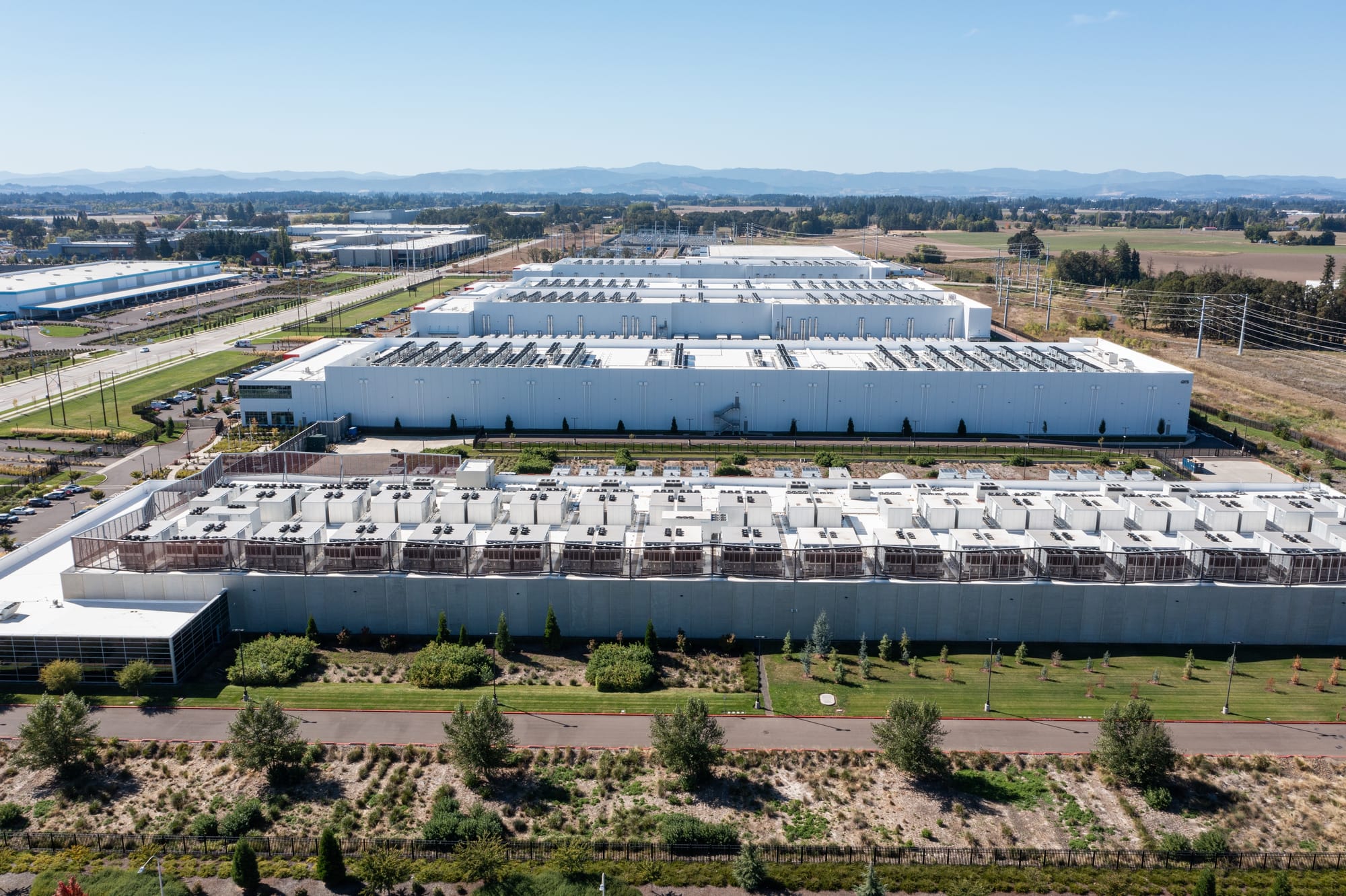
The AI industry faces escalating public backlash from multiple sources: opposition to data center construction has delayed or blocked at least 75 US projects worth $130 billion in early 2026, employment among young college graduates aged 22-25 in AI-exposed jobs is shrinking by 3.8% annually, and chip shortages have driven consumer hardware prices up by 15% on average with further increases expected through 2027. Meanwhile, the Commerce Department's ban on Anthropic's Claude Fable model revealed inconsistent regulatory frameworks, with the administration restricting AI capabilities unilaterally despite disputed safety concerns and no transparent standards for approval. The industry's mitigation efforts—paying electricity subsidies, funding retraining programs, and developing safety frameworks—are being outpaced by growing economic costs to workers and consumers.
