
Google Research
·
3 weeks ago
Google announced a frozen Multi-Token Prediction architecture for Gemini Nano models on Pixel 9 and 10 devices that speeds up on-device text generation by attaching a lightweight prediction head to the existing model without retraining it. The approach achieves 50% or more speedup compared to standalone drafters and uses a zero-copy architecture that saves 130MB of memory per instance by leveraging the main model's cached computations. This enables faster execution of features like AI Notification Summaries and Proofread with reduced energy consumption and battery drain.
TLDR
·
3 weeks ago
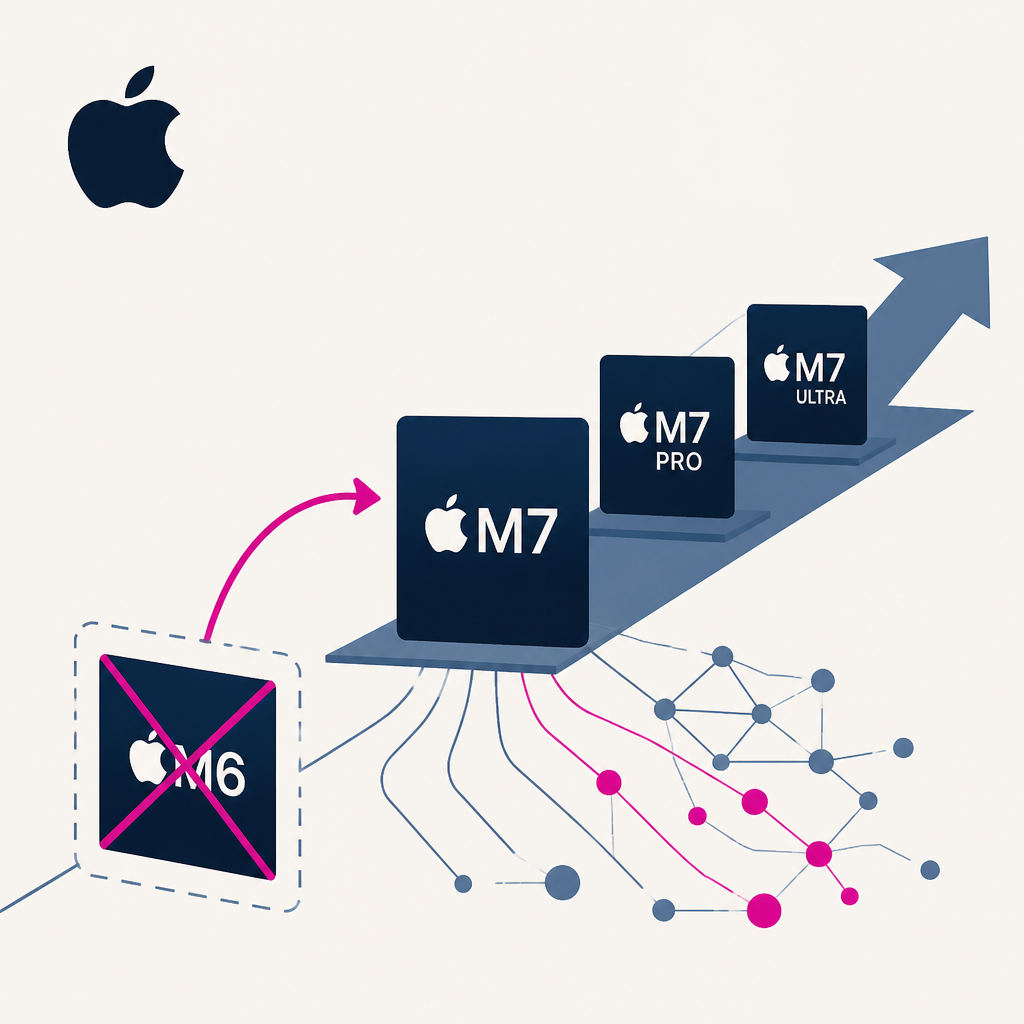
Apple plans to skip the M6 chip line entirely and move directly to M7 processors designed with AI capabilities as the primary focus. The M7 Pro and M7 Max chips are expected in late 2027, with the M7 Ultra arriving in 2028. This shift means Apple's high-end Mac lineup will prioritize AI workloads over the traditional performance increments that typically defined each generation.
TLDR
·
3 weeks ago
● 2 sources
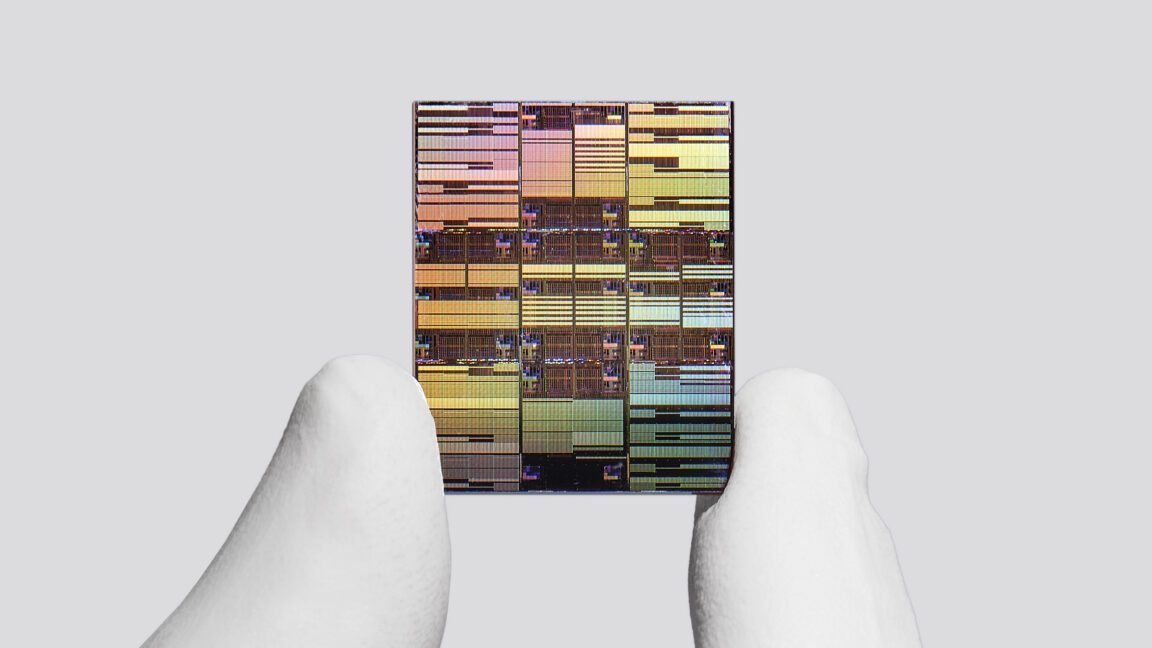
IBM announced a new chip architecture called nanostack that can fit nearly 100 billion transistors on a fingernail-sized chip, roughly double the density of its previous generation. The company projects the 0.7-nanometer node design could deliver 50 percent higher computing performance or 70 percent greater energy efficiency compared to its 2-nanometer chips, with particular benefits for AI data center SRAM scaling. Commercial production of chips using this technology could begin within five to ten years as foundries adopt the nanostack architecture to replace current nanosheet designs.
TLDR
·
3 weeks ago
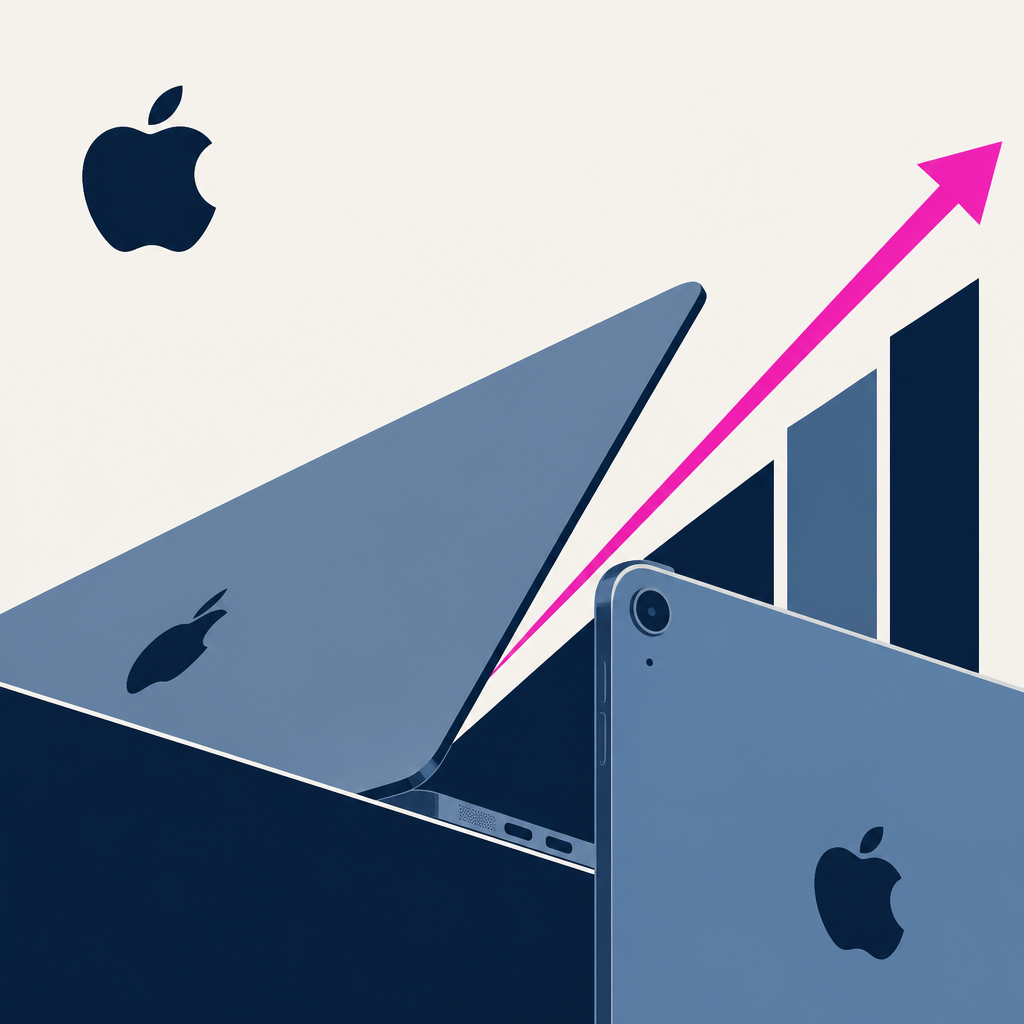
Apple increased prices on Mac computers by 15–20% and iPads by 15–25%, citing rising component costs and memory and storage chip prices that have roughly quadrupled due to AI demand. Specific models saw increases of $200 or more. Consumers will pay significantly more for new Apple devices as component supply tightens.
