Moonshot AI closed new subscriptions for Kimi K3 within 48 hours of launch after demand overwhelmed its GPU capacity, while existing users retained access. The 2.8 trillion-parameter model ranked top in some benchmarks but exhausted inference infrastructure faster than anticipated. The incident highlights how AI companies must ration access to manage real-time inference costs, particularly for agentic workloads that consume resources longer than typical chatbot interactions.
An economics-focused analysis argues that concerns about Chinese AI models like Kimi K3 undercutting Western competitors are overstated, because the current high prices from Anthropic and OpenAI reflect artificial scarcity of compute rather than cost advantages. Kimi charges $3 per million input tokens and $15 per million output tokens, compared to other providers, but this masks the fact that different models require different token volumes to reach correct answers, making raw token price misleading. As AI markets mature and compute becomes available, competition will be determined by cost structure and serving efficiency rather than nominal prices, and frontier labs will eventually thrive by passing savings to customers as inference becomes the dominant cost compared to training.
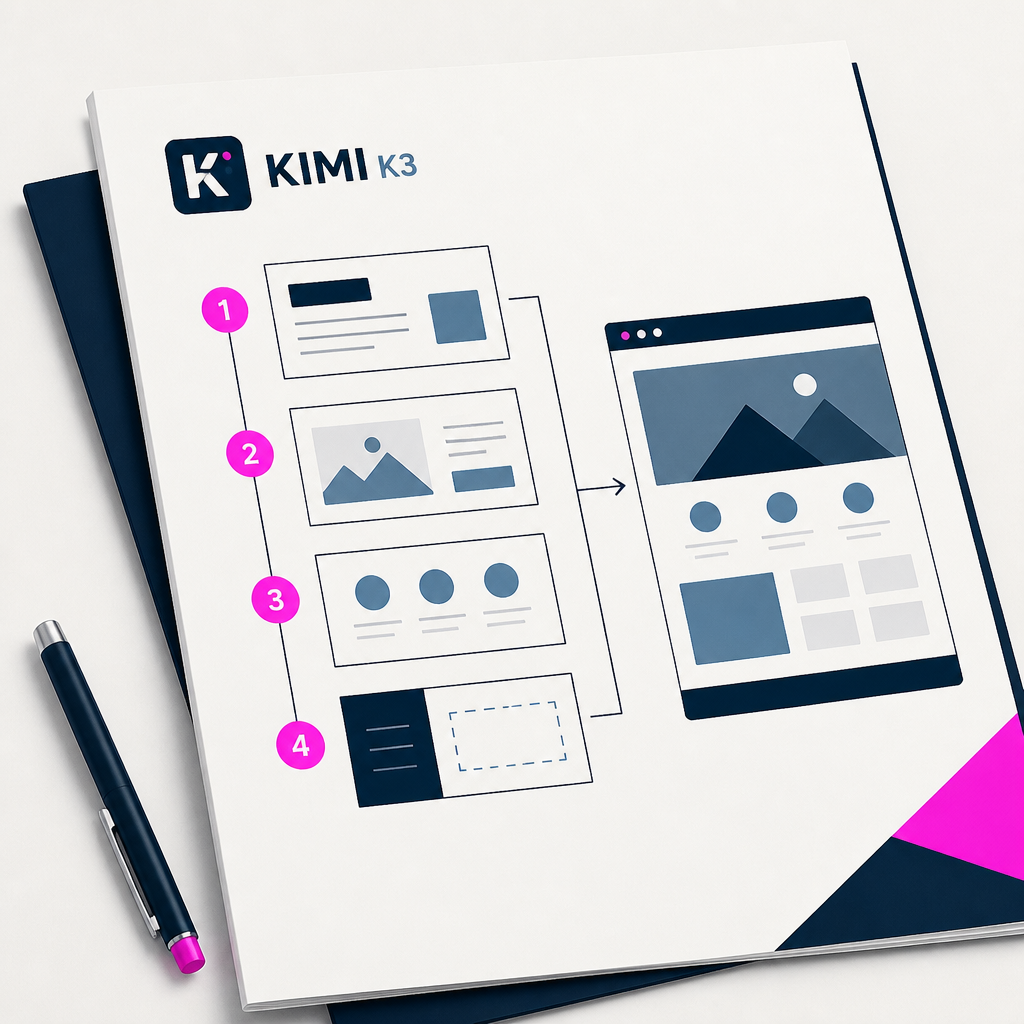
A tutorial showed how Kimi K3 prompts can be used to build complex websites by using structured requests with defined screens, interactions, and progressive stages instead of vague descriptions. The approach breaks down website development into specific, ordered components that the AI can more easily execute. This structured method makes it more practical for developers to get usable results from AI-assisted web development.
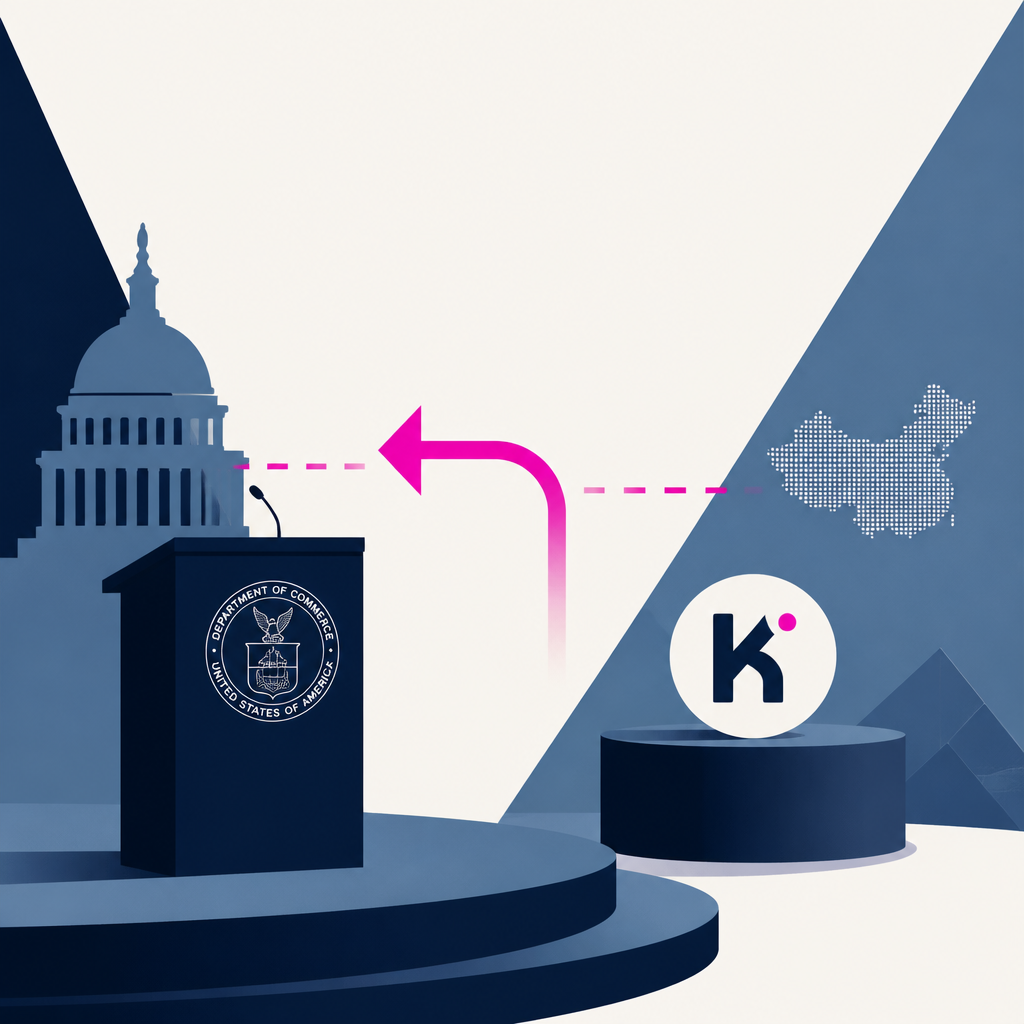
The U.S. Commerce Department opted against restricting advanced Chinese AI models like Moonshot AI's Kimi K3, after briefly considering procurement bans and hosting rules. The decision came amid internal debate over whether such protections would undermine rather than help American AI development. The outcome leaves Chinese models accessible in the U.S. for now, allowing continued competition in the market.
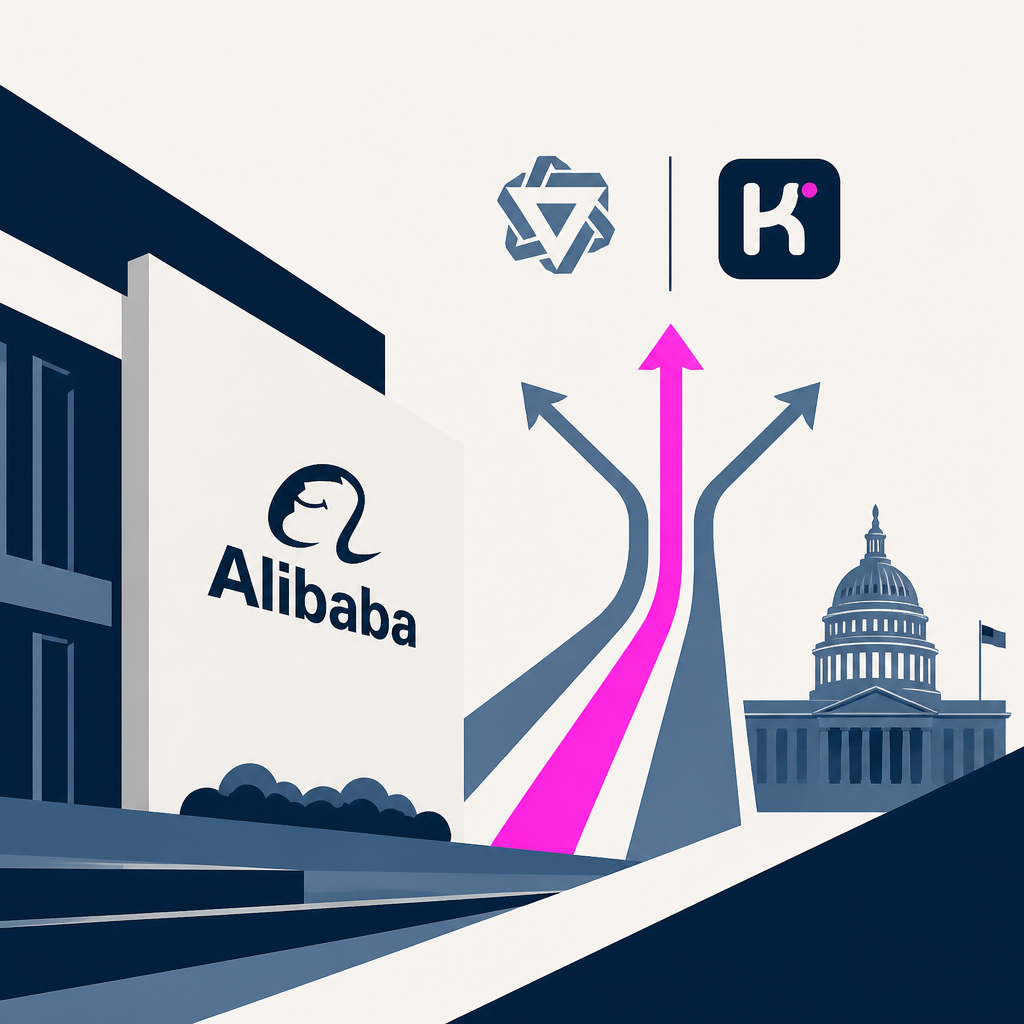
Alibaba announced that Qwen 3.8 Max (2.4T parameters) will be released as open-weight, and Kimi K3 (2.8T parameters) emerged as a strong open-weight contender, ranking #1 on Frontend Web App Arena with 1326 Elo and #4 on agentic tasks. The U.S. administration is considering layered policy measures against Chinese open models, while technical voices argue that restricting open models hurts competition and security more than it helps. Model routing, world modeling for agents, and long-horizon reliability are becoming first-class infrastructure problems, with frontier models now demonstrating superhuman performance on mathematical tasks like finding a counterexample to the 3D Jacobian conjecture.
Every AI story that matters,
in your inbox by 8am.
TLDRocket reads all relevant sources, removes duplicate coverage, and summarises the
day in two minutes. Follow companies and topics for alerts, or get the
briefing in Slack. Free, no spam, unsubscribe anytime.
Reading TLDRocket needs no cookies, and the readership counts we rely on come from
our own cookieless analytics. Google Analytics is the exception: it sets cookies and
reports to Google, so it stays switched off until you allow it. You can change your
mind any time from “Cookie settings” in the footer.
Strictly necessary
Session security and form protection (tldrocket-session,
XSRF-TOKEN, 2 hours). The site cannot work without them,
so they need no consent.
Always on
Google Analytics 4 (_ga,
_ga_<id>, up to 2 years). Measures which
stories and sections readers use. Google acts as a third-party processor and may
store the data outside the EU. No advertising, no profiling, no data sold.