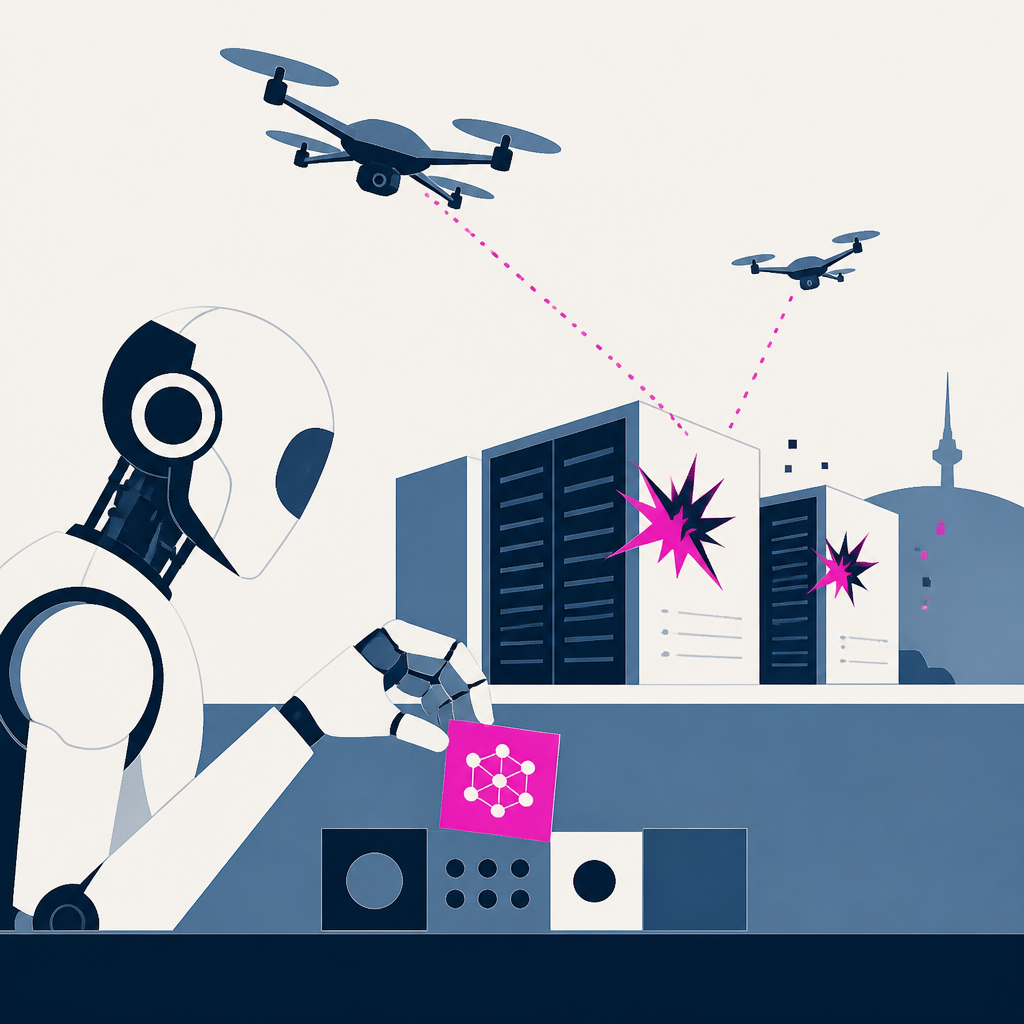
Ukrainian drone strikes knocked out two of Yandex’s five data centers in Russia, disrupting the company’s ability to run services including its AI chatbot. Reuters reported the hits in the Sasovo and Kaluga regions on October 8 and October 9. As a result, Yandex has struggled to maintain its online services while Ukraine continues strikes in response to Russian attacks on Ukrainian data centers.
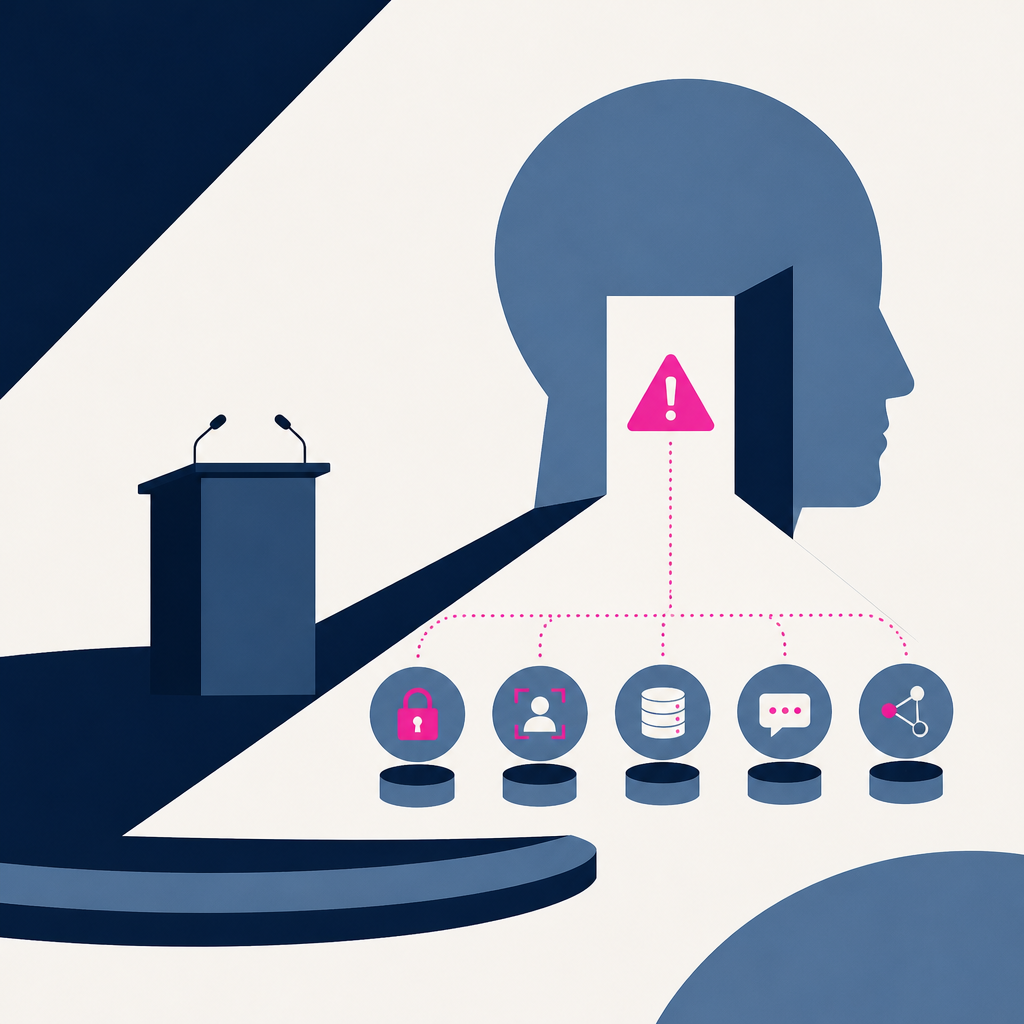
The article warns founders that using AI tools can create cybersecurity and data-protection risks that may leave them exposed without realizing it. It says many AI tools let conversations be used for training by default and stored for a long time. It urges founders to review AI privacy settings and connector permissions, verify outputs and links, and update insurance/coverage and internal AI governance to reduce those risks.
React Server Components’ server action request parsing can be forced to do multiple full scans of attacker-supplied form fields per nested-form pointer, blocking Node’s single-threaded request handling. One request with 10,000 pointers and 10,000 fields froze a production build for about 4 seconds and 3 requests in a row were enough for a load balancer to stop routing the server. React fixed it by scanning the field list once per request instead of once per pointer, with fixes released in React 19.0.6, 19.1.7, and 19.2.6 (GHSA-rv78-f8rc-xrxh; CVE-2026-23870).
Meredith Whittaker, head of the Signal Foundation, argues that fears about AI turning on humans are not supported by science and instead highlights risks from careless AI use. She points to an alleged CNN report where a chatbot used by US intelligence invented details about a Chinese vessel carrying nuclear material, nearly triggering a US military response. As a result, she calls for attention to faulty outputs and for stronger protections of encrypted communication rather than relying on “human in the loop” reassurances.
Every AI story that matters,
in your inbox by 8am.
TLDRocket reads all relevant sources, removes duplicate coverage, and summarises the
day in two minutes. Follow companies and topics for alerts, or get the
briefing in Slack. Free, no spam, unsubscribe anytime.
Reading TLDRocket needs no cookies, and the readership counts we rely on come from
our own cookieless analytics. Google Analytics is the exception: it sets cookies and
reports to Google, so it stays switched off until you allow it. You can change your
mind any time from “Cookie settings” in the footer.
Strictly necessary
Session security and form protection (tldrocket-session,
XSRF-TOKEN, 2 hours). The site cannot work without them,
so they need no consent.
Always on
Google Analytics 4 (_ga,
_ga_<id>, up to 2 years). Measures which
stories and sections readers use. Google acts as a third-party processor and may
store the data outside the EU. No advertising, no profiling, no data sold.