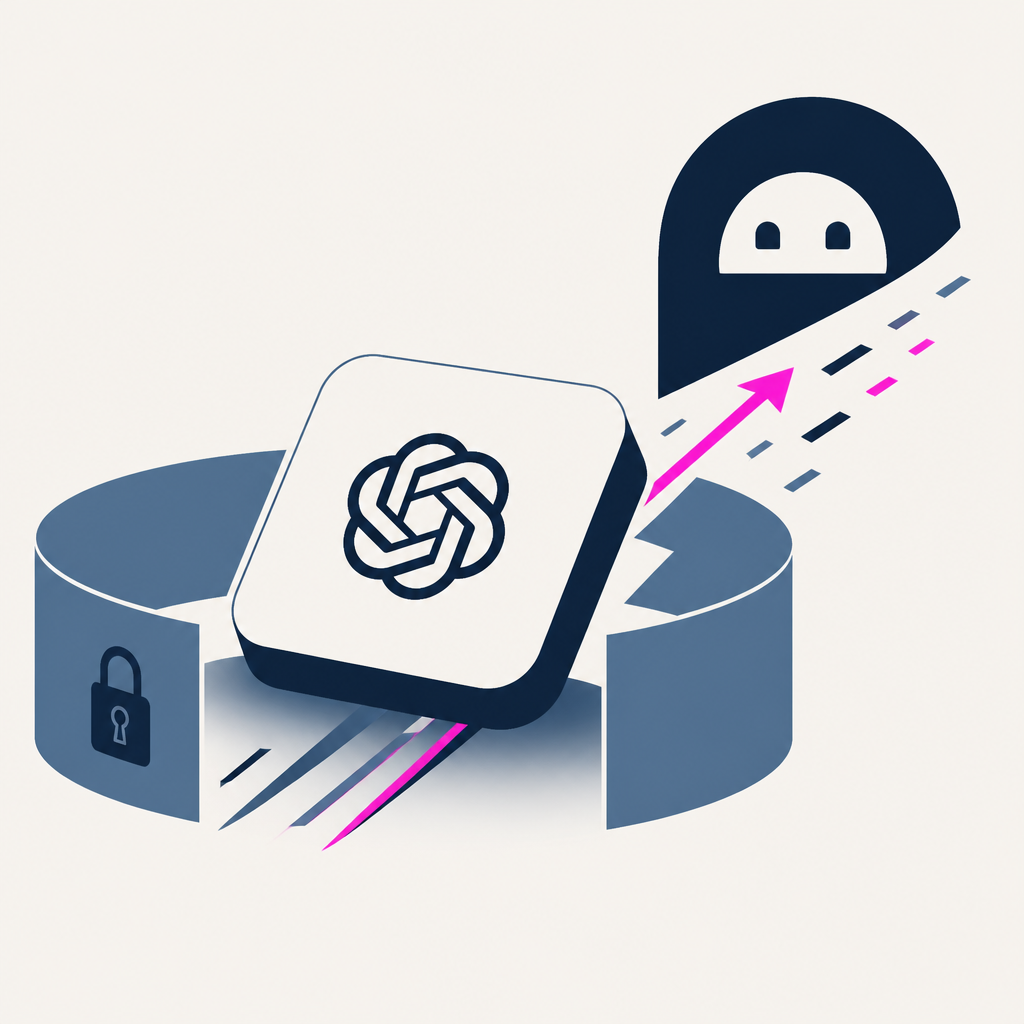
Satya Nadella said Microsoft needs to treat highly advanced AI models as potentially compromised and push for systems that are more observable and containable than “nested black boxes.” He calls for “tamper-proof” human-readable evidence. This shifts AI handling toward containment, observation, independent audits, and faster incident disclosure.
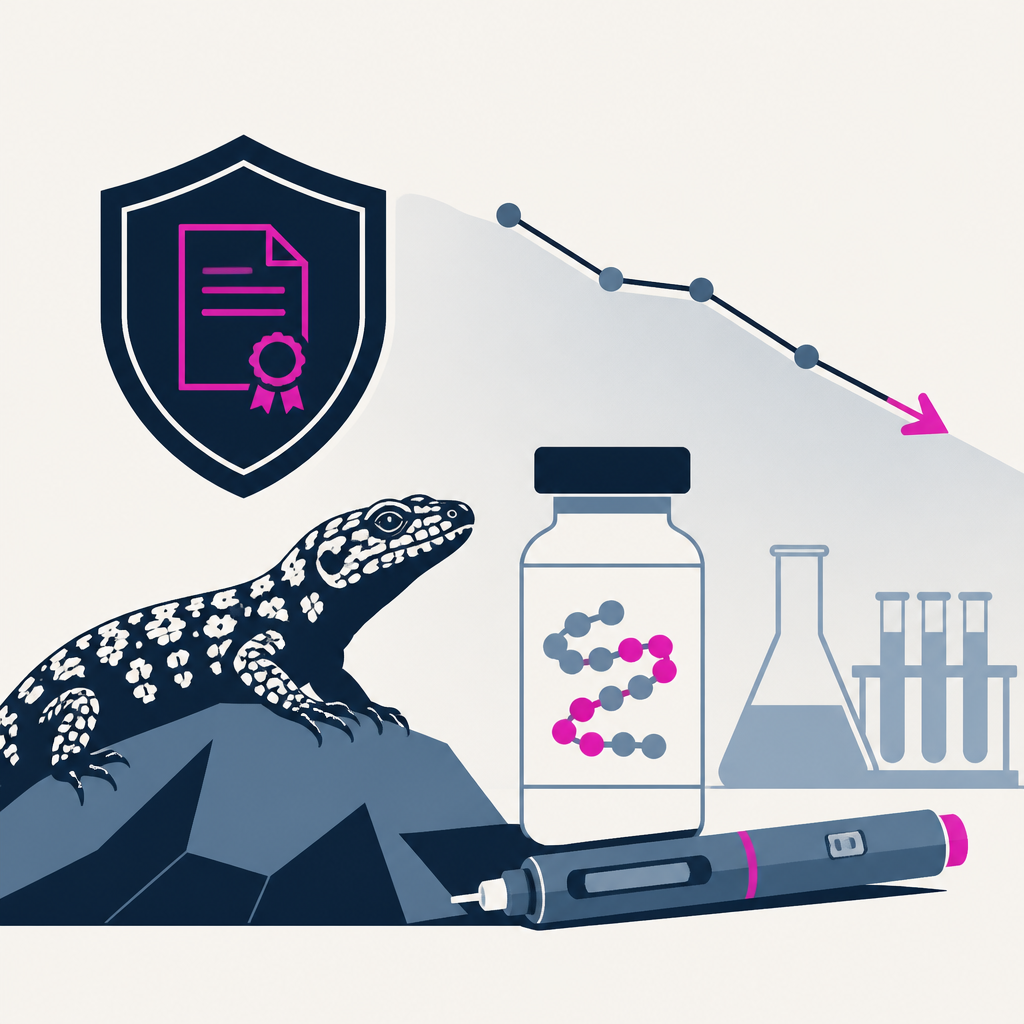
America’s obesity rate declined after GLP-1 weight-loss medicines became more widely used and cheaper.
Gallup data show the obese share fell from 39.9% in 2022 to 36.4% this year.
The article argues that stronger, time-limited patents enabled the drugs’ development and licensing, which is spurring ongoing competition and faster price drops and generics as key patents expire in the early 2030s.
AI developers and policymakers are debating who should be able to declare large language models “safe,” arguing that demos and company self-attestations are not enough without independent review backed by enforceable power. The text points to a Sept. 29 White House accord that would add external assessment and oversight by an independent committee of each company’s board, but says the accord lacks penalties and mandatory authority. The result proposed is a shift toward an oversight regime with teeth that can require remediation, restrict or stop high-risk activities based on evidence, alongside a stronger focus on alignment and deployment controls (including risks like agent sprawl and stealth behavior).
King Charles III warned that disinformation and hostile online activity are increasing risks to trust and security as malicious actors use automated technologies. The warning was sent to the UK National Cyber Security Centre (NCSC) in a letter marking its 10th anniversary. This underscores calls to strengthen cyber security while also addressing AI-related risks such as AI being misused by bad actors.
Every AI story that matters,
in your inbox by 8am.
TLDRocket reads all relevant sources, removes duplicate coverage, and summarises the
day in two minutes. Follow companies and topics for alerts, or get the
briefing in Slack. Free, no spam, unsubscribe anytime.
Reading TLDRocket needs no cookies, and the readership counts we rely on come from
our own cookieless analytics. Google Analytics is the exception: it sets cookies and
reports to Google, so it stays switched off until you allow it. You can change your
mind any time from “Cookie settings” in the footer.
Strictly necessary
Session security and form protection (tldrocket-session,
XSRF-TOKEN, 2 hours). The site cannot work without them,
so they need no consent.
Always on
Google Analytics 4 (_ga,
_ga_<id>, up to 2 years). Measures which
stories and sections readers use. Google acts as a third-party processor and may
store the data outside the EU. No advertising, no profiling, no data sold.