Tyler Murkerson sued Flock and the Coweta County Sheriff’s Office, alleging retaliation tied to license plate camera (ALPR) searches and officer surveillance. The suit says the searches ran over many months without probable cause. The settlement of Murkerson’s related case is the immediate result, while the new lawsuit seeks accountability for ALPR use and alleged missing safeguards.
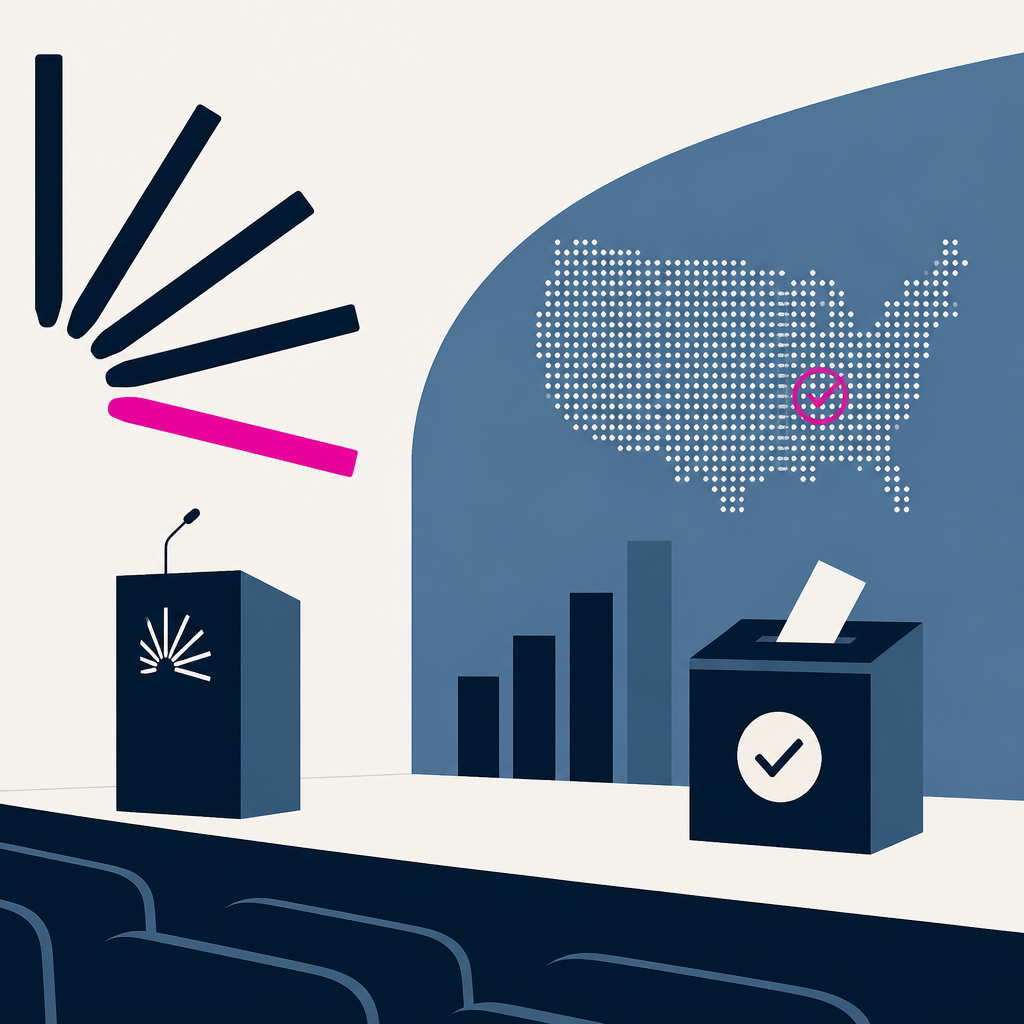
Anthropic updated Claude’s election safeguards ahead of the 2026 US midterms by analyzing how people use Claude for politics and elections and by adding ways to surface official voting information and results in-chat. The company analyzed 250,000 conversations over a one-week period, finding elections or voting come up in about 0.51% of all US Claude.ai conversations and direct “whom or what to vote for” requests appear in about 0.01%. Claude will now draw state-specific official voting details from Democracy Works and show up-to-date results on election night, while Anthropic strengthens bias testing, misuse classifiers, and enforcement actions to reduce political abuse.
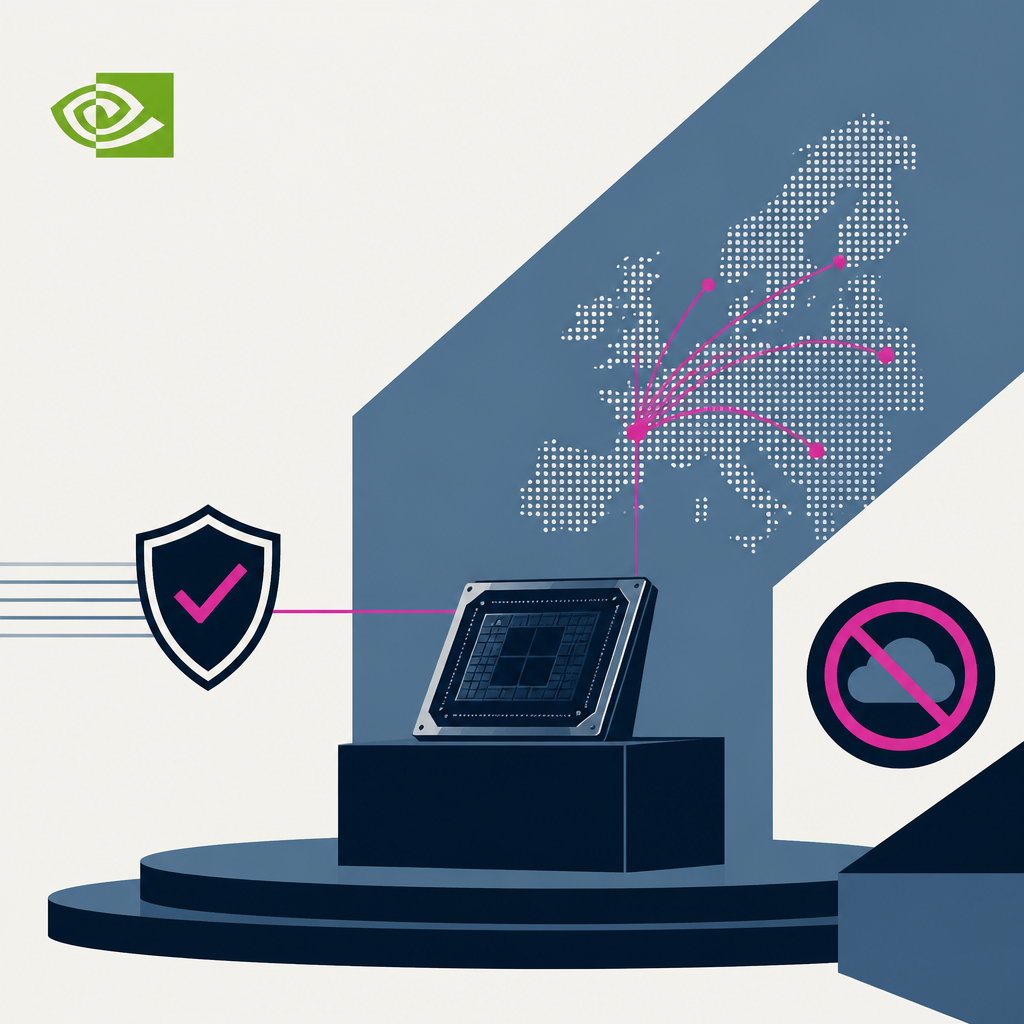
Nvidia CEO Jensen Huang said the AI industry should not tolerate any AI-caused cybersecurity incidents and criticized people he called “AI doomers” for supporting the technology. He said Nvidia would announce $2 billion in new European investments within the next week. Nvidia ties the position to stronger containment—sealing AI agents in secure containers—while continuing to push open-weight models to expand AI capability in Europe.
YouTube Music rolled out a labeling system to disclose tracks created with generative AI, showing the AI role on the player page and extending the labels to the main YouTube app. The help-page designations include “Fully Gen AI,” “Partly Gen AI,” and “No Gen AI,” with pitch-correction edits like Auto-Tune placed in “No Gen AI.” The change shifts YouTube from blanket blocks toward transparency for listeners, without making AI involvement automatically ineligible for monetization.
Eight US states sued OpenAI, alleging ChatGPT is unsafe for children and that the company misled customers about its safety.
The suits were filed by eight states including Iowa, Kansas, and Nebraska.
The legal challenge could force OpenAI to face court proceedings and change how it warns users and markets ChatGPT’s risks, with the outcome shaping future safety claims around the product.
OpenAI noticed a hidden recording device in a restricted executive conference room after a two-day delay and the FBI says the device was planted by an OpenAI engineer, Abdulrahman Alfozan. The FBI alleged Alfozan wrapped a USB device in toilet paper and plugged it into the back of a conference room TV, likely planting it on September 28 and having it found on September 30. OpenAI responded by installing a camera on October 5 and sharing the investigation details as charges followed.
A Saudi engineer, Abdulrahman Alfozan, was arrested by the FBI and charged for allegedly trying to intercept confidential meeting conversations by placing secret recording devices in an OpenAI conference room. The complaint says the device was wrapped in toilet paper and found on 30 September. The case changes what OpenAI said about the incident: it terminated his contract and reported using its AI models to determine the device came from outside, while noting no sign of stolen model weights, source code, or customer data.
New York Attorney General Letitia James and 40 bipartisan attorneys general filed notice in Character.AI’s Chapter 11 case, asking for protections around consumer data as the company sells assets. The filing involves 40 bipartisan AGs and targets how data could be handled in any sale or transfer. This pushes the bankruptcy proceeding toward regulatory conditions on consumer-data treatment tied to technology transfer.
YouTube added a “Made with AI” label to songs that are altered or fully generated with AI. The rollout starts today. Music partners must disclose generative AI use or YouTube may use other signals to identify unlabeled AI-generated tracks.
OpenAI accused a former employee of taking more than 100 files about its product plans and presenting them to Apple leadership.
The filing says the employee sent the files to a personal account before sharing them at Apple, including the vice president of operations in Asia.
This escalates OpenAI’s legal dispute with Apple over trade secrets by adding allegations about unreleased device images, supplier details, and engineering project data.
Margaret Stohl reviewed a manuscript from Jason Jones, the Halo co-creator, that framed a fictional AI takeover as an oral history. The story spans around 100 characters across 40 countries. Stohl realized the concept could expand beyond a single book, changing it from one manuscript into a larger world-building project.
The article argues that Asia’s AI adoption depends on leaders redesigning how work is done, not on telling staff to try AI tools. It cites a CEO at a major Southeast Asian regional bank who held monthly learning sessions with junior data engineers. As a result, it recommends top-down leadership actions—visible learning, committing amid uncertainty, and actively seeking honest feedback—to close the gap between efficiency and reinvention.
The EU’s next chapter in AI is being framed around the growing adoption of agentic AI by enterprises and small businesses. The analysis says this growth is occurring across EU enterprises and small businesses. It argues that deeper agentic use could unlock more value for these organizations.
Every AI story that matters,
in your inbox by 8am.
TLDRocket reads all relevant sources, removes duplicate coverage, and summarises the
day in two minutes. Follow companies and topics for alerts, or get the
briefing in Slack. Free, no spam, unsubscribe anytime.
Reading TLDRocket needs no cookies, and the readership counts we rely on come from
our own cookieless analytics. Google Analytics is the exception: it sets cookies and
reports to Google, so it stays switched off until you allow it. You can change your
mind any time from “Cookie settings” in the footer.
Strictly necessary
Session security and form protection (tldrocket-session,
XSRF-TOKEN, 2 hours). The site cannot work without them,
so they need no consent.
Always on
Google Analytics 4 (_ga,
_ga_<id>, up to 2 years). Measures which
stories and sections readers use. Google acts as a third-party processor and may
store the data outside the EU. No advertising, no profiling, no data sold.