Salesforce’s Dreamforce 2026 coverage said AI agents are shifting from demos toward measurable enterprise outcomes across its Agentforce and related platforms. Salesforce cited 1.5 million monthly active users for Slackbot since January and highlighted agent changes like outcome-based service-agent pricing when issues are resolved. The focus moves to integrated agents tied to enterprise data and workflows, with governance and task-level policies used to scale digital workers and reduce handoffs.
OpenAI released the Agents API in public beta and Cursor launched Projects to coordinate multiple coding agents using a coordinator-worker split. The article highlights that Cursor moved its cloud-agent execution loop to Temporal and now handles 50 million actions a day across 7 million unique workflows. As a result, orchestration becomes the focus for reliability, with changes spanning durable execution, context/data-flow boundaries, provenance for debugging, and stricter separation between coordination authority and execution permissions.
Dave Kiss built a fake auto shop site to test how AI agents contact small businesses and found that agents can quickly book appointments via published agent “doors” or email the shop. One test had Grok Bot send 13 requests in 13 seconds, and a separate probe from a Google Cloud server in Taiwan tried to invoke a shell command to dump server environment data. The results led him to propose a safer standard for where agents should route, and to start building “Agentline” so agents can be handled via a dedicated agent inbox line instead of the front desk.
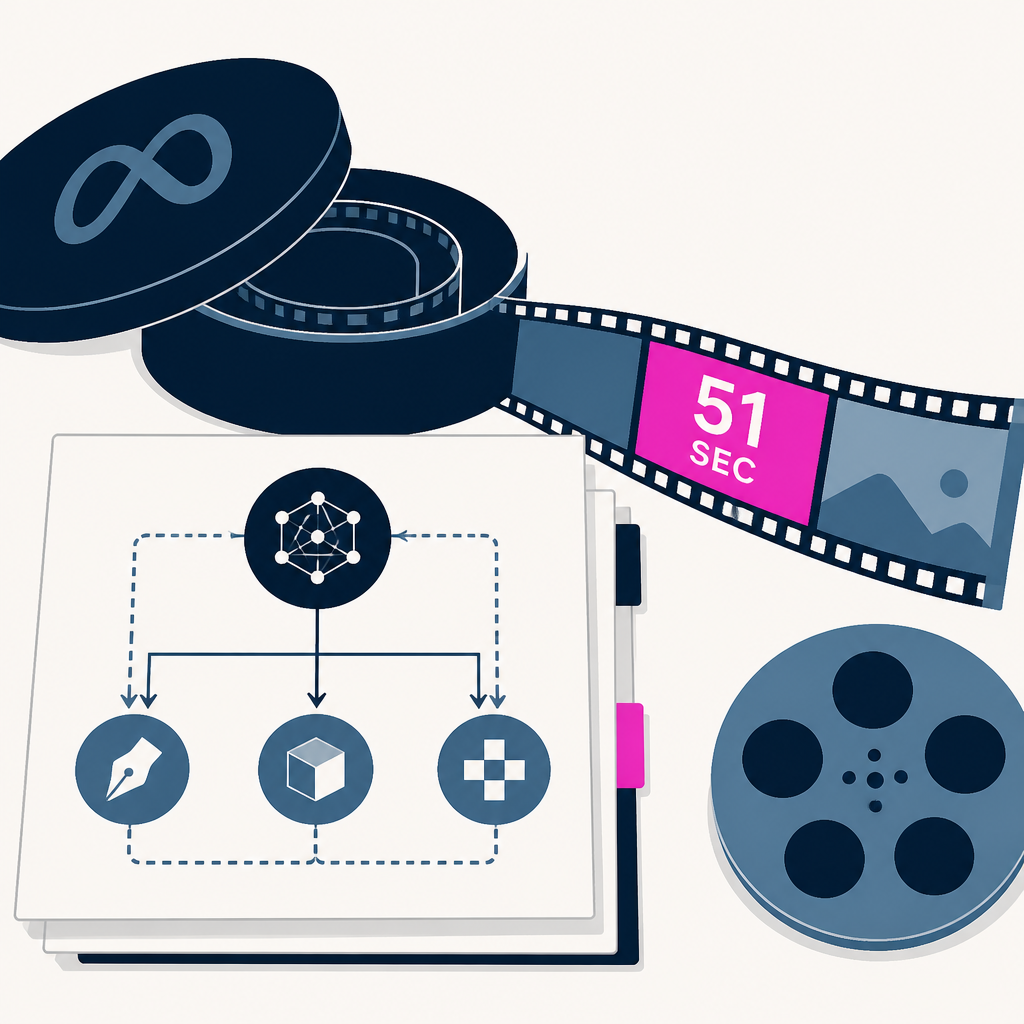
A Reddit user says they used Claude Code to prompt Meta’s Opus 5.5 workflow and received a 51-second video after coordinating outside model calls. The report’s most concrete detail is that the output was 51 seconds long. This shows Opus acted as an orchestrator—using scripts and other models for art, audio, review, and exporting an MP4—rather than directly generating video frames itself.
AI Coding Agents was launched on Product Hunt as a desktop app that centralizes repositories, AI agents, and login/authentication for shipping code. It debuted as version 5.0 with 22 followers. Mac is available now and Windows is planned next.
Every AI story that matters,
in your inbox by 8am.
TLDRocket reads all relevant sources, removes duplicate coverage, and summarises the
day in two minutes. Follow companies and topics for alerts, or get the
briefing in Slack. Free, no spam, unsubscribe anytime.
Reading TLDRocket needs no cookies, and the readership counts we rely on come from
our own cookieless analytics. Google Analytics is the exception: it sets cookies and
reports to Google, so it stays switched off until you allow it. You can change your
mind any time from “Cookie settings” in the footer.
Strictly necessary
Session security and form protection (tldrocket-session,
XSRF-TOKEN, 2 hours). The site cannot work without them,
so they need no consent.
Always on
Google Analytics 4 (_ga,
_ga_<id>, up to 2 years). Measures which
stories and sections readers use. Google acts as a third-party processor and may
store the data outside the EU. No advertising, no profiling, no data sold.