JarvisCore was launched as a runtime for AI agents that operate as equal peers using a shared ledger for task execution. It appeared on Product Hunt with 37 followers. As a result, agents can discover each other by capability and authenticate to external services via a zero-trust broker without using their own keys.
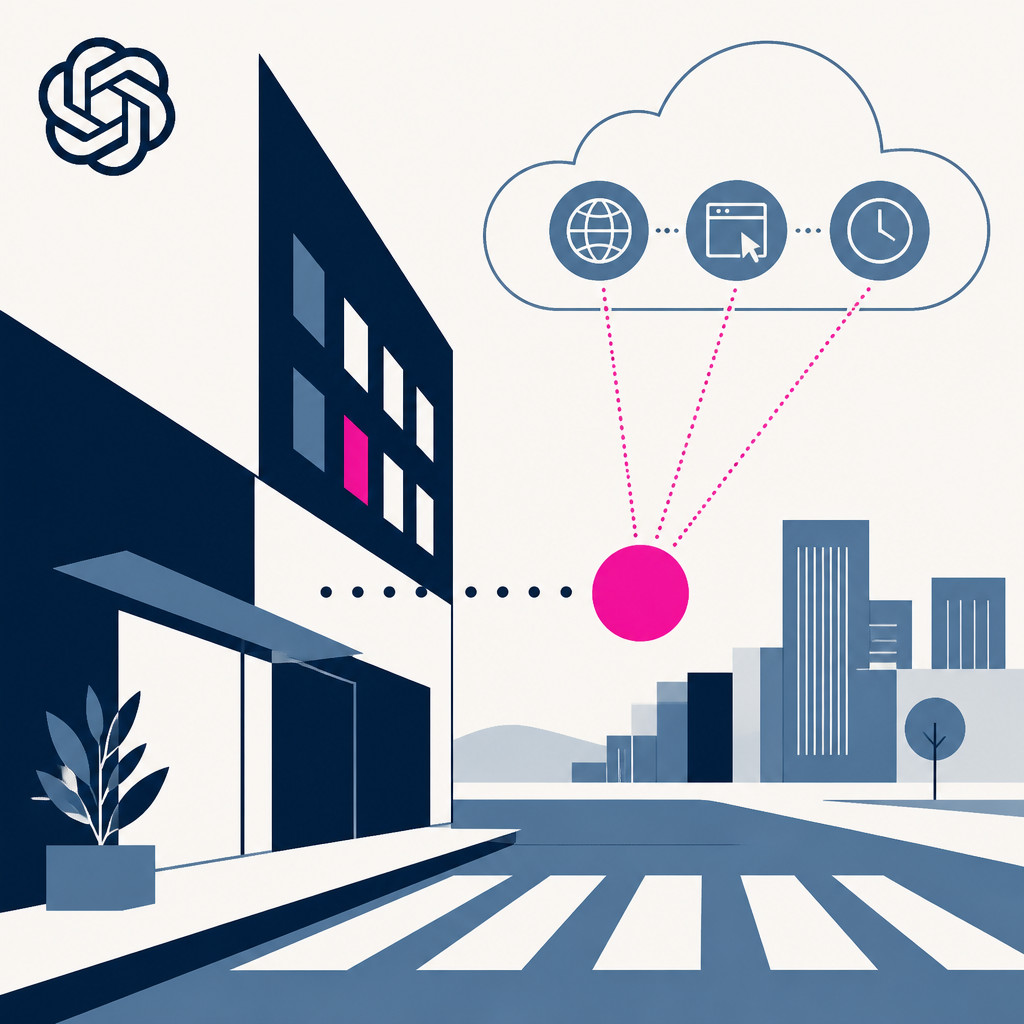
OpenAI launched dots at DevDay, introducing always-on GPT-6 Astra agents that run on dedicated cloud computers with browsers and can keep working after you log off. GPT-6 Astra scored 72.6% on OSWorld 2.0 at about 40 minutes per task in OpenAI’s latency simulations. Dots now roll out to ChatGPT Pro and Business Premium users with no self-hosted or open-weights option, and enterprise specialist dots are previewed with admin enablement plus optional Agent 365 support with Microsoft.
ShareCube launched as a team collaboration tool where AI agents can publish HTML or Markdown artifacts with a shareable link instead of a chat thread. The product is launching today. Feedback is annotated on exact sentences, versioned on every save, and then used by the agent to produce the next version.
OpenRig released a YAML-defined multi-agent harness that wraps existing AI coding tools into a persistent team with coordinated sessions and recovery. It requires Node.js 22 or 24 on macOS or Linux, and supports a guided first-use flow that launches a two-agent team in a repository. It changes setup by installing/configuring CLI tooling and workspace trust/hooks, then replaces separate terminal sprawl with a managed tmux-based team dashboard and queued, reviewed change workflow.
The Sequence Knowledge (Issue 941) explains that an agent can improve over a season even when its underlying model is frozen with no gradient updates. The story points to Issue 941 as its specific installment describing how change happens outside the model across spring versus summer. It argues that improvements come from other system layers—besides model weights—so users see better behavior without technical learning inside the model itself.
Meta launched Muse, a secure personal AI agent that helps users plan goals, coordinate tasks, and perform actions through messaging-style interactions in the Muse app and WhatsApp. Muse runs on Muse Secure VM, a dedicated cloud VM, and is powered by Muse Spark. The launch shifts AI assistance toward always-on, permissioned agent work with new privacy controls like audit trails, limited access to accounts, and an upcoming encrypted “Confidential VM,” while offering free use with subscription tiers.
Dots by OpenAI was introduced as a proactive assistant meant to keep working across complex projects and everyday tasks. The article does not provide any numbers, dates, or pricing. As a result, OpenAI is positioning Dots as a way to stay in control while tasks continue progressing.
Every AI story that matters,
in your inbox by 8am.
TLDRocket reads all relevant sources, removes duplicate coverage, and summarises the
day in two minutes. Follow companies and topics for alerts, or get the
briefing in Slack. Free, no spam, unsubscribe anytime.
Reading TLDRocket needs no cookies, and the readership counts we rely on come from
our own cookieless analytics. Google Analytics is the exception: it sets cookies and
reports to Google, so it stays switched off until you allow it. You can change your
mind any time from “Cookie settings” in the footer.
Strictly necessary
Session security and form protection (tldrocket-session,
XSRF-TOKEN, 2 hours). The site cannot work without them,
so they need no consent.
Always on
Google Analytics 4 (_ga,
_ga_<id>, up to 2 years). Measures which
stories and sections readers use. Google acts as a third-party processor and may
store the data outside the EU. No advertising, no profiling, no data sold.