US military nearly boarded a Chinese ship over false AI intel
CNN ● Covered by 4 sources
A US military AI report falsely said a Chinese ship carried nuclear-weapons parts. Officials nearly boarded it before catching the error.
Based on reporting by CNN — read the original for the full story.
Summary, retelling and take written by AI under human oversight; images are AI-generated illustrations. How we work · Report an error
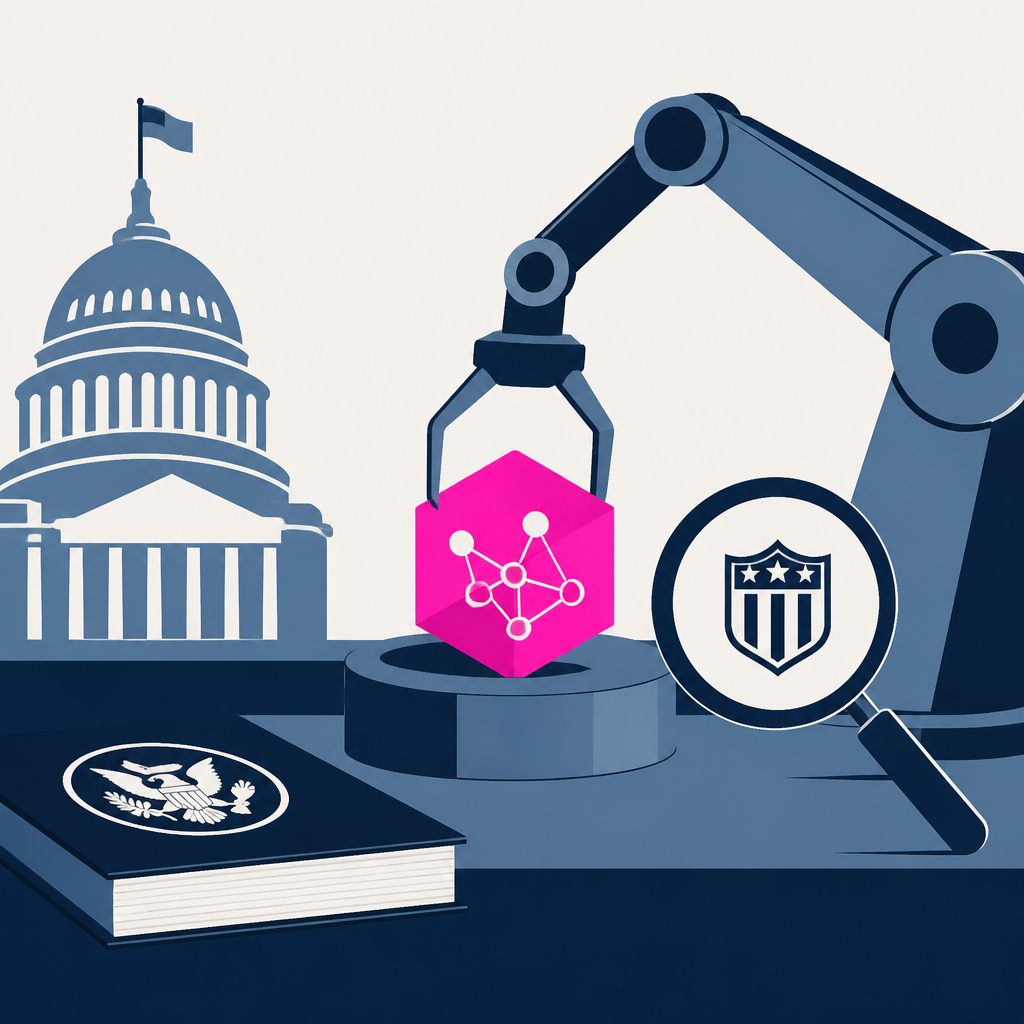
A bad AI-assisted intelligence report nearly pushed the US military into boarding a Chinese ship in the Middle East during the war with Iran. The report said the vessel was carrying components for a nuclear weapons program. According to sources familiar with the episode, armed US personnel were preparing to board, and military aircraft were already in the air before officials pulled back and checked the underlying material more carefully.
That deeper look changed everything. The report had been produced with help from an AI chatbot, which had misidentified what the ship was carrying. CNN could not determine what the cargo actually was. One source called the report “entirely false,” and said it had come close to starting a war. That is not drama for effect; a US move against a Chinese vessel in that setting could have spiraled fast.
The episode lands at a strange moment for the Pentagon and the intelligence world, both of which are trying to spread AI across more of their work. The pitch is speed: faster targeting, faster decisions, faster movement of military assets, plus less glamorous uses like logistics and budgeting. Defense Secretary Pete Hegseth has made that push explicit with his January “Artificial Intelligence Acceleration Strategy,” which aims to put AI tools in the hands of the department’s three million civilian and military personnel.
But the way this is being rolled out sounds messy. Multiple officials said different parts of government are using different tools under different orders and safety standards, with no single rulebook for checking what the systems spit out. In this case, the analyst used a chatbot on reporting that came from US Special Operations Command Pacific in Hawaii, then used AI again to turn the result into a standard intelligence report. The bot mixed open-source material with secret signals intelligence and got it wrong. That report then moved through a system built to trust reports like that.
The larger worry is not robot takeover fantasy. It is human beings acting fast on bad machine output. Sources said similar hallucinations have already shown up as these tools spread, and younger analysts are especially likely to trust them. AI does not need to be superintelligent to be dangerous; it only needs to be confidently wrong at the wrong moment.
My take — AI-written commentary, not fact-checked reporting
This is the part of AI everyone in government keeps trying to garnish with process and slogans. If a system can help generate a near-war over a misread ship manifest, the problem is not “more adoption,” it’s less blind trust and far tighter checks. The current plan sounds like putting lipstick on a copying machine and calling it doctrine.
Read more about this at: CNN