
Update to Google’s AI weather model improves forecast accuracy
Ars Technica Scott K. Johnson
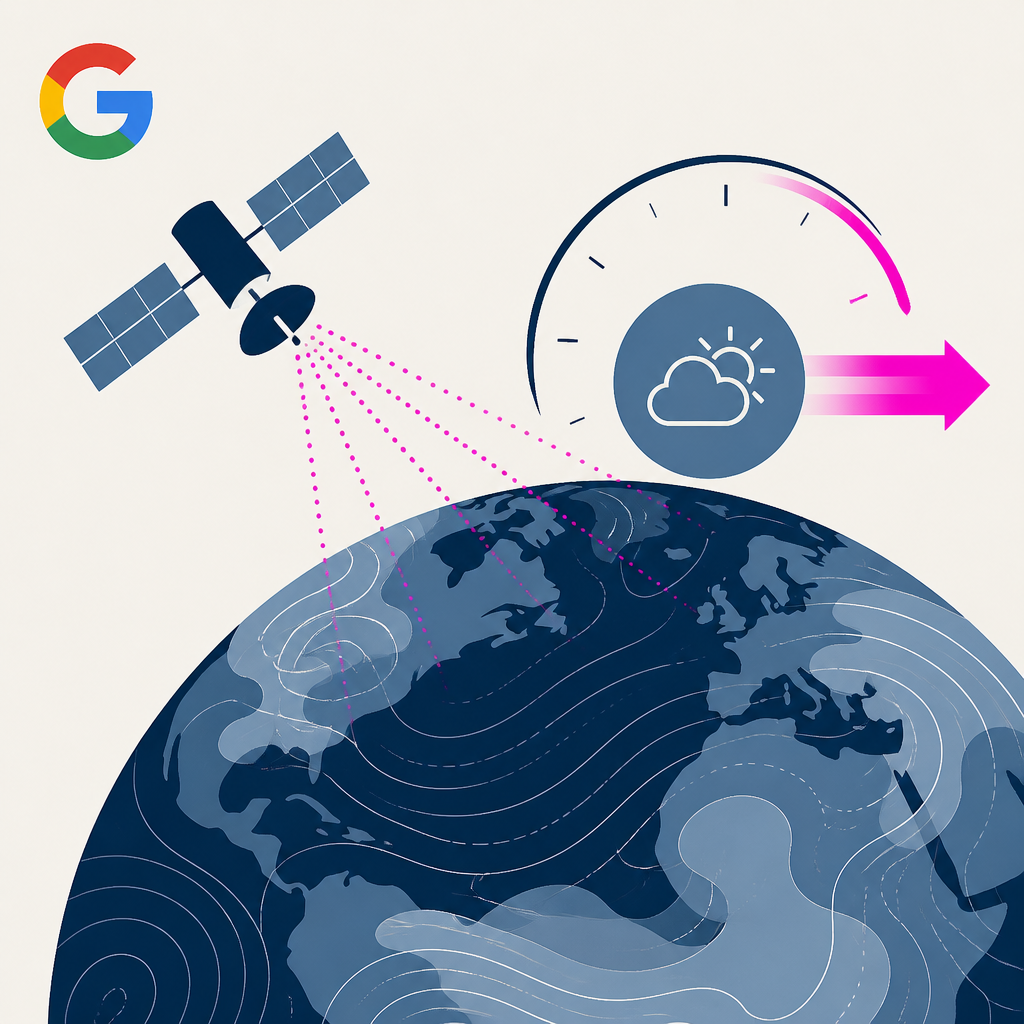
Google updated its AI weather model, WeatherNext v3, to use satellite data. That cuts the delay between real weather and the forecast it spits out.
Based on reporting by Ars Technica, Scott K. Johnson — read the original for the full story.
Summary, retelling and take written by AI under human oversight; images are AI-generated illustrations. How we work · Report an error
Google has pushed out version 3 of WeatherNext, its machine-learning weather model, and the biggest change is a practical one: it now takes in some satellite weather data. That matters because the model can get closer to what’s happening right now before it generates the next forecast. The update is laid out in a white paper.
That speedup fits the whole promise of AI weather systems. They’re not supposed to magically replace the old models; they’re meant to deliver forecast quality that can get close to traditional systems while using far less computing power. Less compute means they can be run more often, which is where the real value starts to show up.
The source also points to a piece of weather-model plumbing called reanalysis. That’s a combined global snapshot built from many kinds of weather data. It has to fill in gaps where there aren’t direct measurements, because forecast models still need a complete picture of the atmosphere, not just the places with instruments on the ground.
Google is one of several major players in this space, and WeatherNext v3 looks like another step toward making these models less dependent on stale input. The move is not flashy. It is, however, exactly the sort of unglamorous upgrade that can make a forecast system noticeably more useful.
My take — AI-written commentary, not fact-checked reporting
This is the kind of AI progress that actually deserves oxygen: less hype, more timeliness. Weather models don’t need another grand demo; they need cleaner inputs and faster refreshes. The funny part is that the winning move here looks almost boring, which is usually how real engineering behaves when no one is trying to sell a miracle.
Read more about this at: Ars Technica