TLDRocket
Sign in

Sakana AI Wins Award at US-Japan Competition for Defense Innovation

Sakana AI Covered by 6 sources

Sakana AI just won an award at a joint US-Japan defense tech competition beating out 60 companies. The Tokyo-based AI lab was the only firm to make finalist in both the biodefense and disinformation categories.

Based on reporting by Sakana AI — read the original for the full story.

Summary, retelling and take written by AI under human oversight; images are AI-generated illustrations. How we work · Report an error

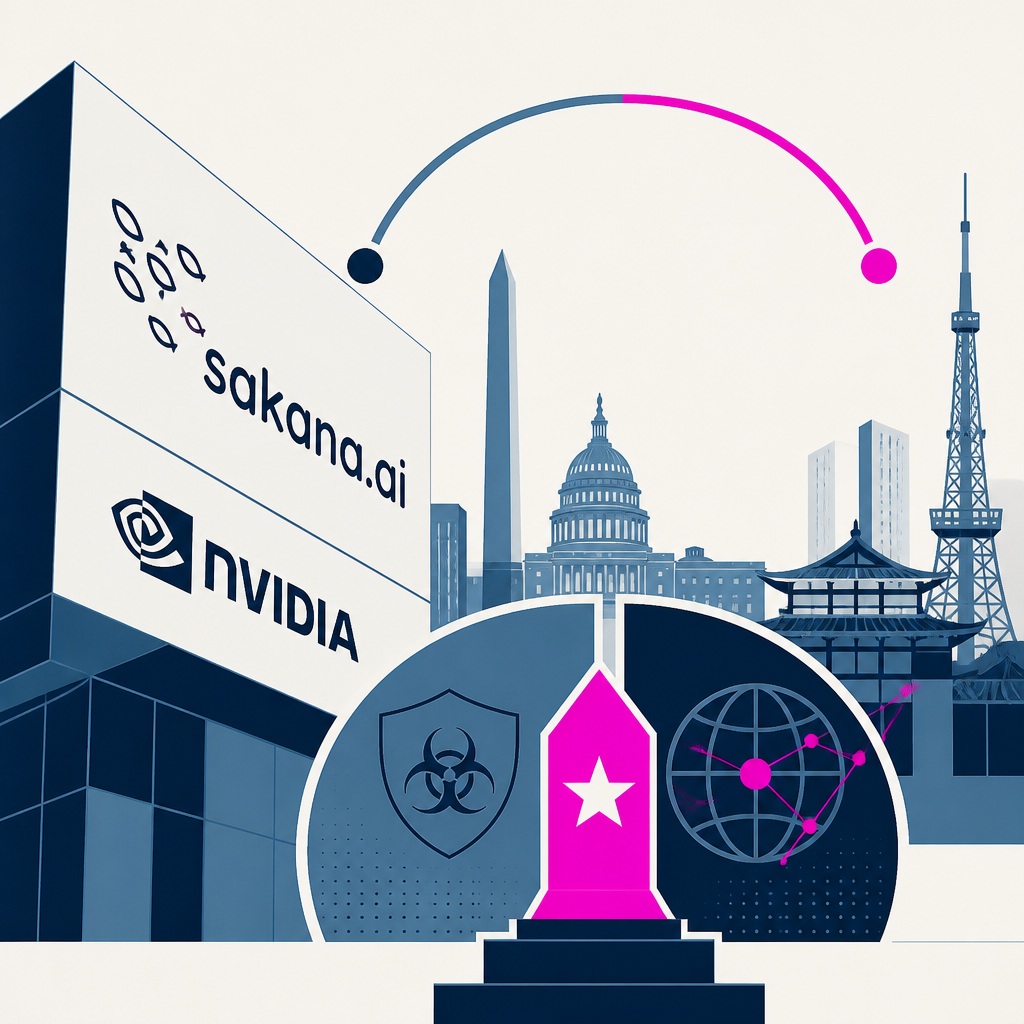
Sixty companies showed up for the US-Japan Global Innovation Challenge 2025, a competition run jointly by the Pentagon's Defense Innovation Unit and Japan's Acquisition, Technology & Logistics Agency. Only six made the finalist cut in each of the two tracks — biodefense and disinformation. Sakana AI, a Tokyo-based research lab, was the sole company to land a finalist spot in both, and walked away from the March 19 pitch event in Tokyo with the Innovative Spirit Award, one of just three handed out that day.

What's notable here isn't that Sakana AI beat specialists at their own game — it didn't win either category-specific award. It's that a company whose core business is AI agents and foundation models, not biosecurity or cybersecurity, managed to convince defense officials from two governments that its outsider perspective was worth recognizing anyway. Sakana AI says as much itself: most of the other entrants came in with deep domain expertise in biosecurity or cyber, while its own bet was that frontier AI research could offer something those specialists couldn't.

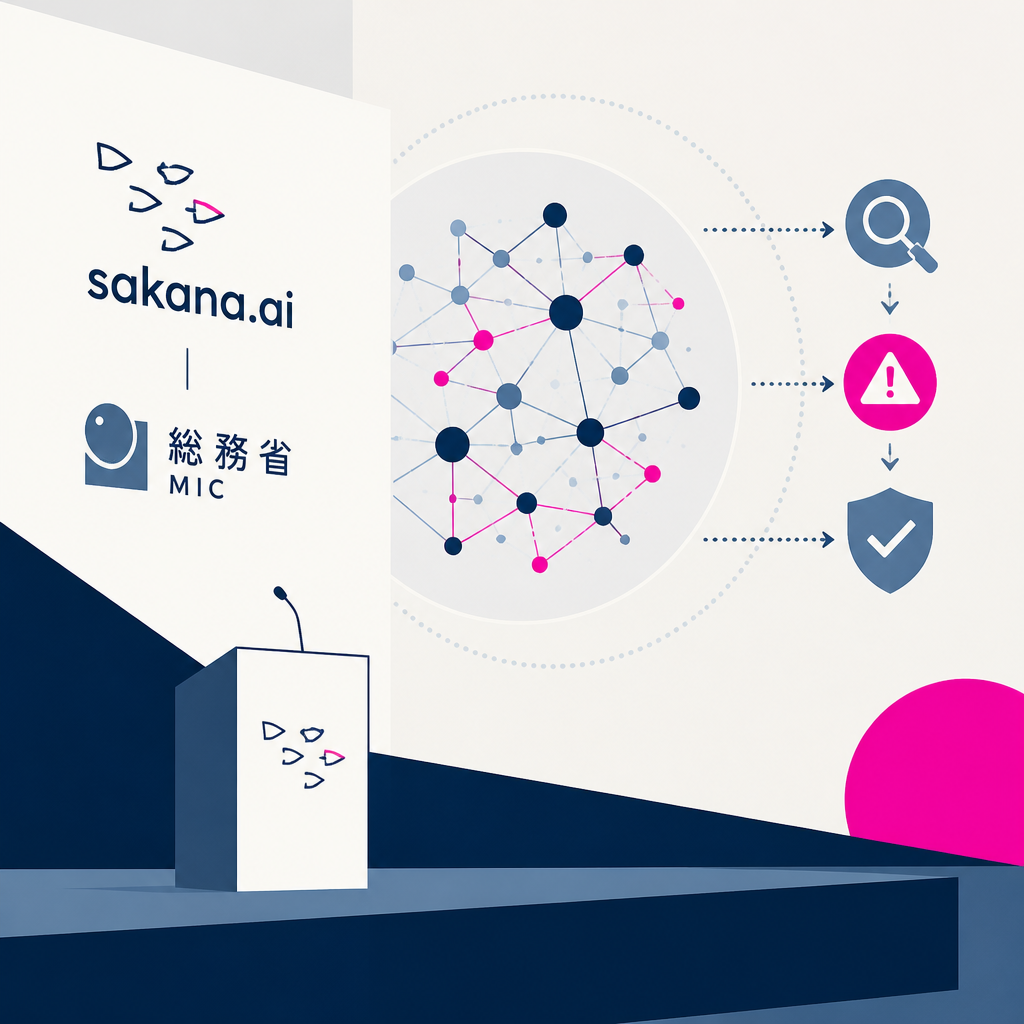
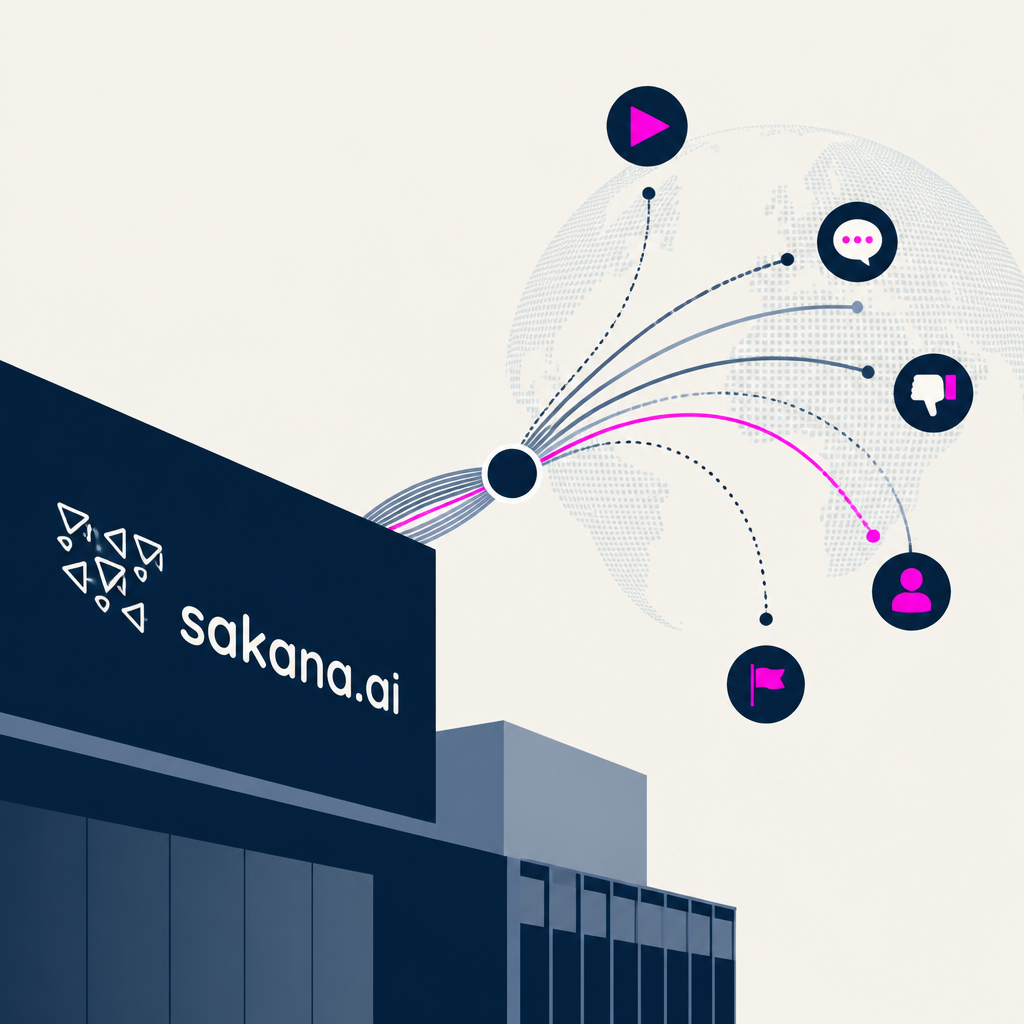
For the biodefense track, Sakana AI pitched a mix of tools built around a time-series foundation model for predicting infectious disease outbreaks, paired with an agent-based model that simulates human movement to forecast how an outbreak might spread, weigh countermeasures, and even help trace where it started. On the disinformation side, the company leaned on its existing work in image generation and diffusion models to build a detector for AI-generated images and video, one that runs fast and explains its own reasoning rather than just spitting out a verdict. It claims the system can flag outputs from Imagen, Midjourney, DALL-E, Flux, and Ideogram, and because it builds on existing foundation models rather than training from scratch, the company says it can keep pace as those generative tools keep improving.

Sakana AI frames the whole effort as an early step into defense work for a company that, by its own account, wasn't built for this sector. CEO David Ha told Japanese broadcaster TV Tokyo that Japan's defense industry is likely to weave AI into every layer of its technology stack over the coming years, which he sees as a long-term opportunity. Whether that optimism survives contact with the messier realities of biosecurity and information warfare is a separate question — but for one afternoon in Tokyo, judges from two defense agencies decided the bet was worth an award.

My take — AI-written commentary, not fact-checked reporting

An AI lab with no biosecurity pedigree walking away with recognition at a defense innovation contest says less about Sakana AI's genius and more about how thin the AI-native talent pool still is inside these traditional domains. Governments running these challenges clearly want fresh technical horsepower badly enough to reward outsiders who show up with foundation models and good instincts, even when they don't win the categories they're actually competing in. That's a real opportunity for AI companies willing to wander into unfamiliar sectors, but it should also make people nervous about how much specialist rigor gets traded away for algorithmic novelty.

Read more about this at: Sakana AI

Related stories

The daily briefing

Every AI story that matters, in your inbox by 8am.

TLDRocket reads all relevant sources, removes duplicate coverage, and summarises the day in two minutes. Follow companies and topics for alerts, or get the briefing in Slack. Free, no spam, unsubscribe anytime.