Romance-baiting scam: AI-assisted pig butchering workflows
OpenAI ● Covered by 2 sources

OpenAI shut down accounts, likely run from Cambodia, using AI to write and translate romance-investment scam chats. These 'pig butchering' scams already drain billions yearly — AI just made them faster and more fluent.
Based on reporting by OpenAI — read the original for the full story.
Summary, retelling and take written by AI under human oversight; images are AI-generated illustrations. How we work · Report an error
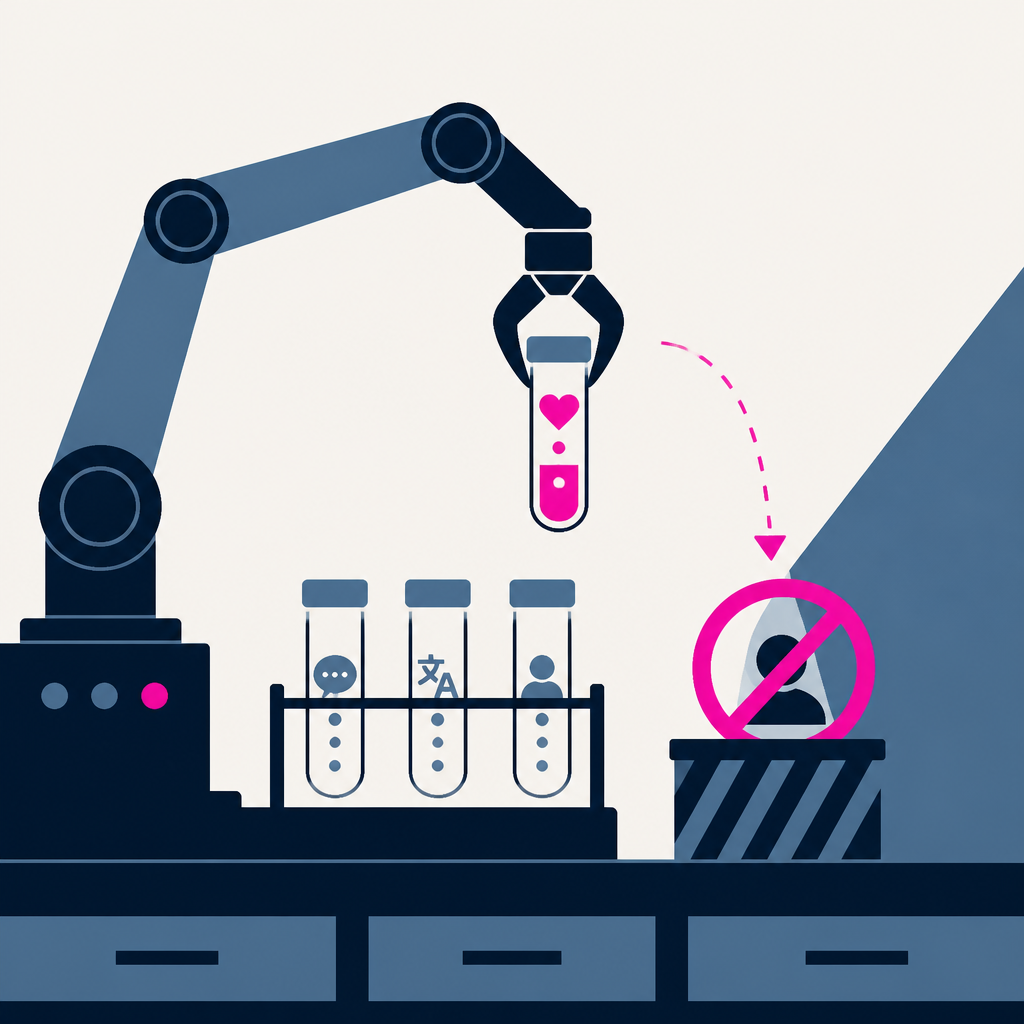
OpenAI's latest enforcement sweep targeted a cluster of accounts tracing back to Cambodia, a country that has become synonymous with industrial-scale online fraud operations run out of compounds along the Thai and Myanmar borders. The accounts weren't generating malware or plotting anything exotic. They were doing something much more mundane and much more effective: drafting romance messages, translating them across languages, and stitching together the slow-burn investment pitches that define so-called pig butchering scams.
The term describes a grim but apt metaphor — scammers spend weeks or months fattening up a victim with affection and trust before leading them to a fake investment platform and taking everything. Historically, that fattening process required real people with decent language skills, cultural fluency, and a lot of patience. AI collapses that requirement. A scammer running a farm of fake dating profiles no longer needs a native English speaker on staff; the model handles tone, idiom, and translation, letting one operator juggle far more marks at once.
OpenAI says it caught the pattern through its usual account-monitoring and banned the cluster, framing this as a targeted enforcement action rather than proof of some entirely new fraud category. That distinction matters. The scam workflow is old — Southeast Asian trafficking-linked scam centers have run these operations for years, often staffed by coerced workers. What's new is the tooling layer, where a general-purpose chatbot quietly becomes the linguist and scriptwriter for a criminal supply chain.
It also puts OpenAI in an awkward but familiar position: the company built a tool useful enough that criminal networks with serious financial incentive keep trying to weaponize it, and now has to play whack-a-mole on the back end. Banning accounts is reactive by definition. The people running these scam compounds will simply spin up new accounts, new numbers, new front companies, and try again, because the economics of pig butchering — reportedly worth tens of billions of dollars annually worldwide — make the cost of getting banned trivial.
My take — AI-written commentary, not fact-checked reporting
This is the least surprising abuse story of the year — of course scam compounds industrialize with whatever tool lowers their labor costs, and a fluent multilingual chatbot is exactly that. Banning accounts after the fact is necessary theater, but it won't touch the actual economics; the real fix has to come from banks and platforms flagging the fake investment sites these scripts funnel victims toward, not from AI companies playing account-whack-a-mole forever.
Read more about this at: OpenAI