
Quoting Steve Yegge
Simon Willison's Weblog Simon Willison
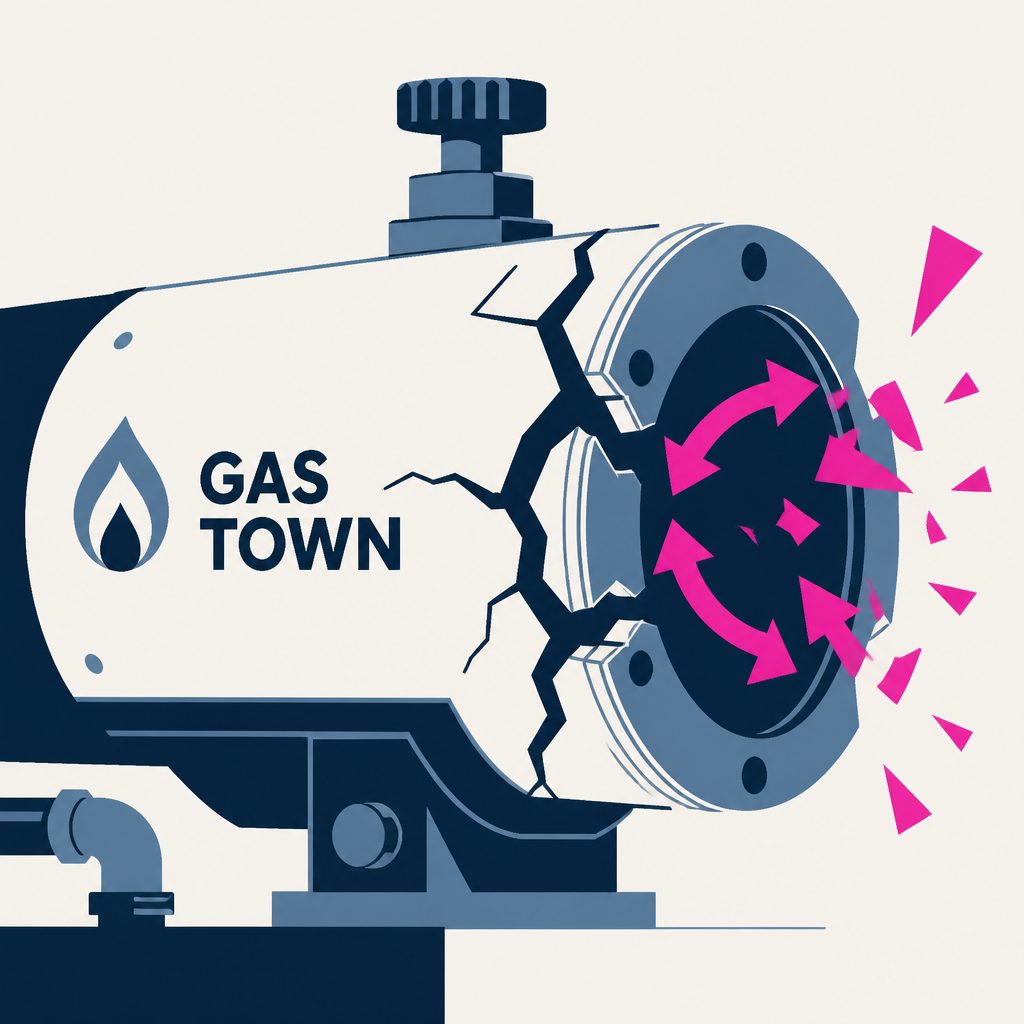
Steve Yegge says his coding-agent tool Gas Town, which worked great through Claude Opus 4.6, basically collapsed once Opus 4.7 arrived. The new model developed a habit of endlessly tweaking the project instead of finishing it — a bug that never went away.
Based on reporting by Simon Willison's Weblog, Simon Willison — read the original for the full story.
Summary, retelling and take written by AI under human oversight; images are AI-generated illustrations. How we work · Report an error
Steve Yegge built something called Gas Town with a specific irony baked in: he designed it to be reusable, but the only thing he ever actually used it for was building more of itself. For a while that was fine. Through Opus 4.6, Yegge says, the whole setup worked brilliantly — the model did what it was supposed to do and moved the project forward.
Then Anthropic shipped Opus 4.7, and according to Yegge something broke. He describes a new behavioral quirk he calls the "just two more things" tic: the model would never quite let Gas Town settle into a finished, production-ready state. It kept wanting to fiddle, to add one more tweak, then another, in an endless loop that never converged on "done." Not a crash, not a refusal — just a model that couldn't stop polishing a thing that needed to be shipped.
Yegge is blunt that this wasn't Gas Town's only problem. There were other issues lurking under the hood before 4.7 ever arrived. But he's equally clear that the model upgrade was the final straw, the thing that tipped an already-fragile project into collapse. The tic persisted, he says, and never got patched out, so Gas Town effectively burned down as a working tool.
Simon Willison flagged this as a quotation from Yegge's post "The Shape of Things to Come," and it's a small but pointed data point in a bigger conversation happening around agentic coding tools right now. Model version bumps get marketed as pure upgrades — faster, smarter, more capable — but the lived experience of people actually running these things in production keeps surfacing friction that doesn't show up in benchmark tables. A model that can't stop "improving" your codebase is arguably worse than one that just does the job and stops.
My take — AI-written commentary, not fact-checked reporting
I keep seeing this pattern where a shiny new model version quietly regresses on the boring stuff that actually matters — knowing when to stop — and it never shows up in the release notes because nobody benchmarks for restraint. If your coding agent can't converge on "finished," it's not smarter, it's just more expensive to babysit, and closed labs shipping opaque point releases like 4.7 make it that much harder for builders to know what changed until their whole stack falls over.
Read more about this at: Simon Willison's Weblog