Operation “Wrong Number”: AI-assisted task scam
OpenAI ● Covered by 2 sources

OpenAI shut down accounts likely run out of Cambodia that used its AI to help run scam texts targeting people in the UK. It shows scammers are now outsourcing the boring parts of fraud to chatbots too.
Based on reporting by OpenAI — read the original for the full story.
Summary, retelling and take written by AI under human oversight; images are AI-generated illustrations. How we work · Report an error
OpenAI's latest threat report reads less like a security bulletin and more like a small crime drama. The company says it banned a cluster of accounts, probably operated out of Cambodia, that were using its models to support so-called "task scams" aimed at people in the United Kingdom. If you've ever gotten a random text from an unknown number claiming to be a delivery service or a job recruiter, you've likely brushed up against exactly this kind of operation.
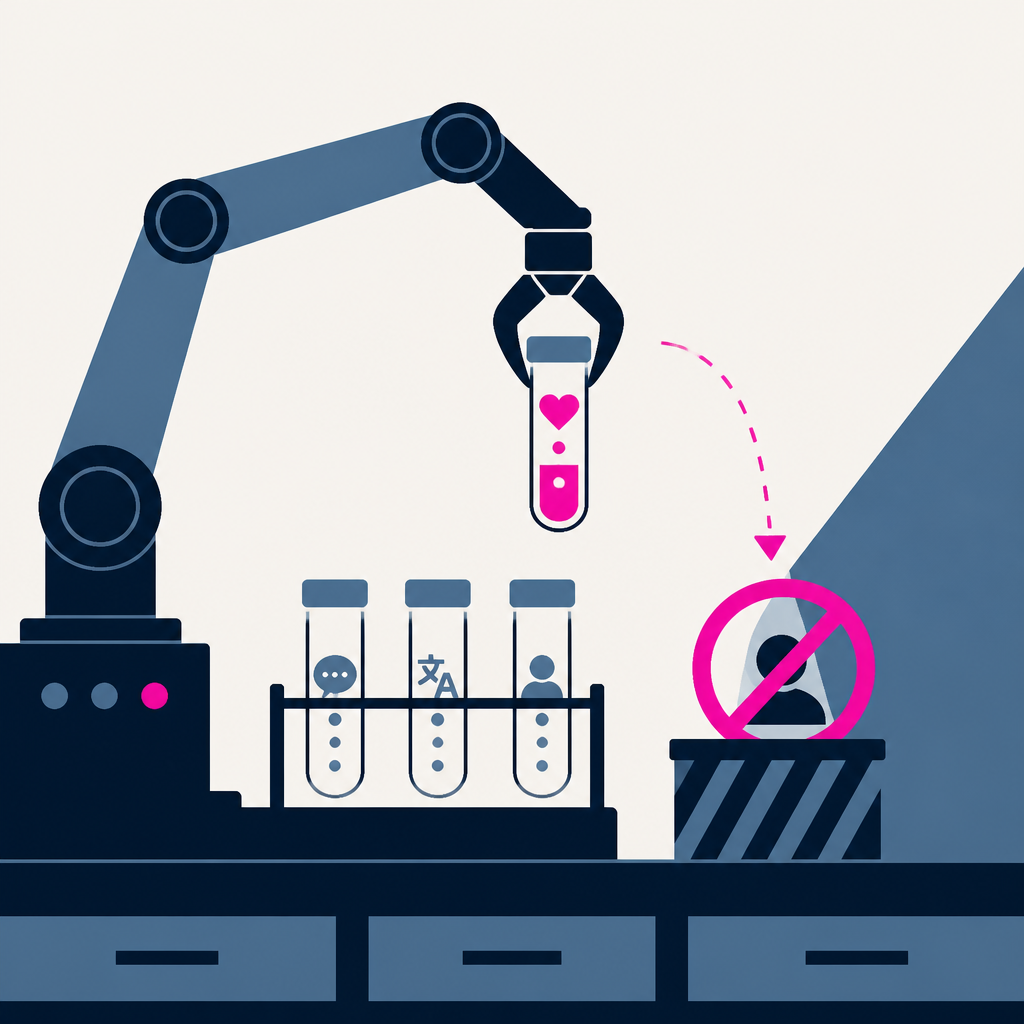
What makes this case notable isn't the scam itself, which is depressingly familiar, but the plumbing behind it. According to OpenAI, the accounts used AI to help draft messages, refine scripts, and generally smooth out the workflow that scam operations rely on to message thousands of targets and keep a percentage of them hooked. This is grunt work that used to require actual human copywriters grinding out variations of the same lie. Now a chatbot can do a decent chunk of it in seconds.
OpenAI didn't publish granular details on the size of the operation or exactly how much money changed hands, and it's not naming individuals. The company's disclosure fits a pattern it's been building over the past year: quietly banning clusters of accounts tied to scam networks and publishing summaries afterward, partly as a transparency move and partly, one suspects, to get ahead of the inevitable headlines about AI-powered fraud.
Cambodia's scam compounds have been a well-documented problem for years now, often tied to human trafficking operations that force workers to run these exact kinds of schemes under threat. Layering AI tools into that machinery doesn't create the problem, but it does make each worker more productive, which is a genuinely uncomfortable thought when the workers themselves may not be there voluntarily.
My take — AI-written commentary, not fact-checked reporting
This is the least surprising AI misuse story of the year, and that's precisely the point: fraud rings adopt new tools faster than regulators write rules about them. Banning accounts after the fact is necessary but it's whack-a-mole, and anyone expecting a chatbot's terms of service to stop a Cambodian scam compound is kidding themselves. The real fix is upstream, in cutting off the trafficking-fueled scam economy itself, not in OpenAI's trust and safety team playing cleanup.
Read more about this at: OpenAI