Meta’s Muse launches as a personal AI agent
Meta Newsroom ● Covered by 19 sources
Meta launched Muse, a private AI agent that can book, email, and buy things for you. It runs in its own secure VM and even keeps working after you close the app.
Based on reporting by Meta Newsroom — read the original for the full story.
Summary, retelling and take written by AI under human oversight; images are AI-generated illustrations. How we work · Report an error
Meta is pitching Muse as a personal AI agent that does more than chat. It’s built to take a goal, turn it into a plan, and then keep moving on it without constant hand-holding. The company says it can handle everyday jobs like sending email and booking travel, but also bigger chores like lowering bills or selling a car for more.
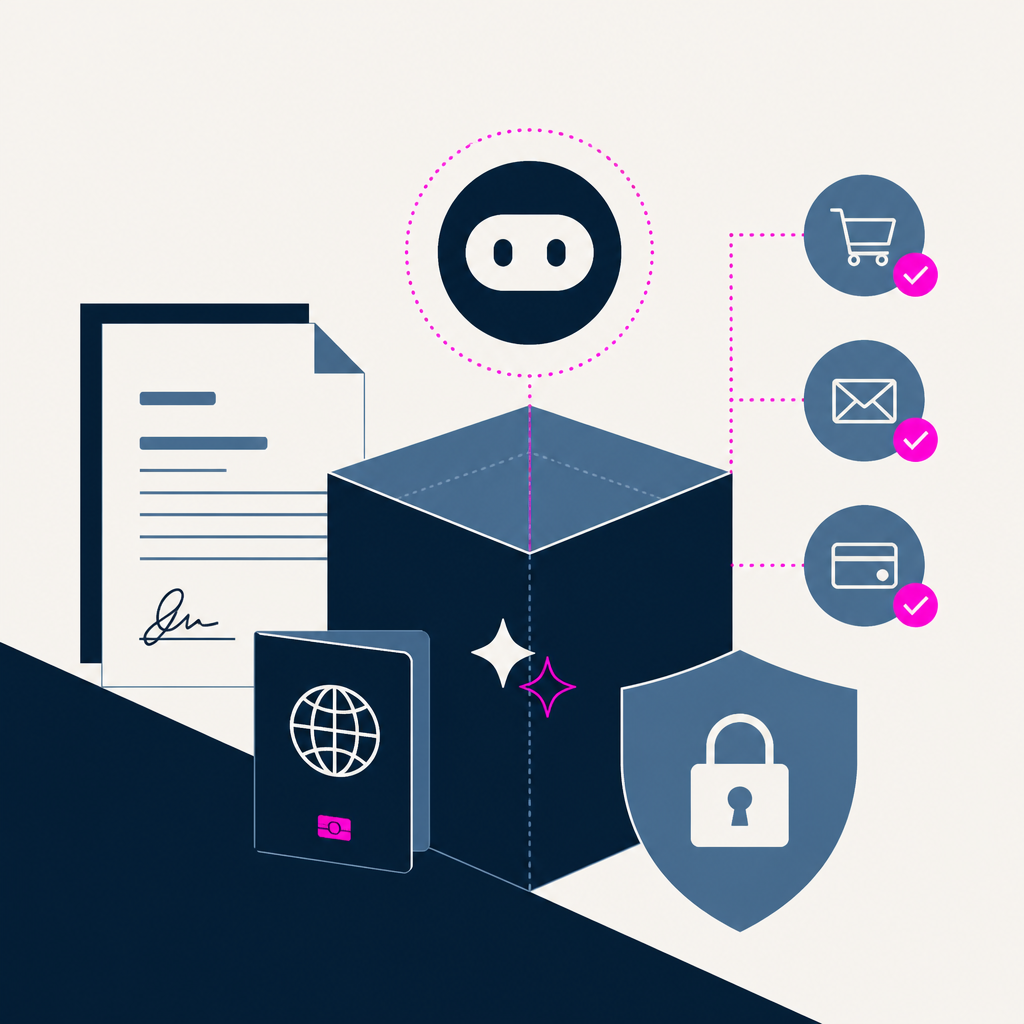
The big hook is the setup behind it. Muse runs inside Muse Secure VM, a dedicated cloud machine that holds the agent and a person’s data together, but apart from everyone else’s. Meta says a separate Sentinel agent sits at the system level, blocks internet access unless it approves it, and asks the person before sensitive actions. Credentials are stored securely so Muse can use them without seeing passwords or payment methods.
Muse is designed to feel familiar rather than technical. People can talk to it in the Muse app or directly in WhatsApp, and Meta says there’s no learning curve. It can keep working after the app is closed, come back when something changes, and pause for approval before things like sending an email or making a purchase. It also has memory, so it can act on details mentioned once, from a recipe reel on Instagram to friends’ dietary restrictions before invitations go out.
Payment is wired through Link from Stripe, with one-time-use cards and purchase protections that cover damaged or lost items, price drops, no-fee returns, and a return guarantee on eligible purchases. Shop Pay support is coming, along with 1Password. Later this year, Meta says it plans a Muse Confidential VM with encryption keyed only to the user. Muse is rolling out in the US on iOS, Android, and muse.ai, and it’s also headed to AI glasses.
My take — AI-written commentary, not fact-checked reporting
Meta is doing the sensible thing here: wrapping agent hype in a pile of security controls before letting it anywhere near a wallet. That’s also the tell — if an AI needs this much plumbing to be trusted, maybe the real product is still caution, not superintelligence. In the AI race, privacy is becoming the last honest feature.
Read more about this at: Meta Newsroom