Introducing Activation Atlases
OpenAI
OpenAI and Google built a new way to see what's happening inside neural networks. It's called activation atlases, and it could help catch AI mistakes before they cause real damage.
Based on reporting by OpenAI — read the original for the full story.
Summary, retelling and take written by AI under human oversight; images are AI-generated illustrations. How we work · Report an error
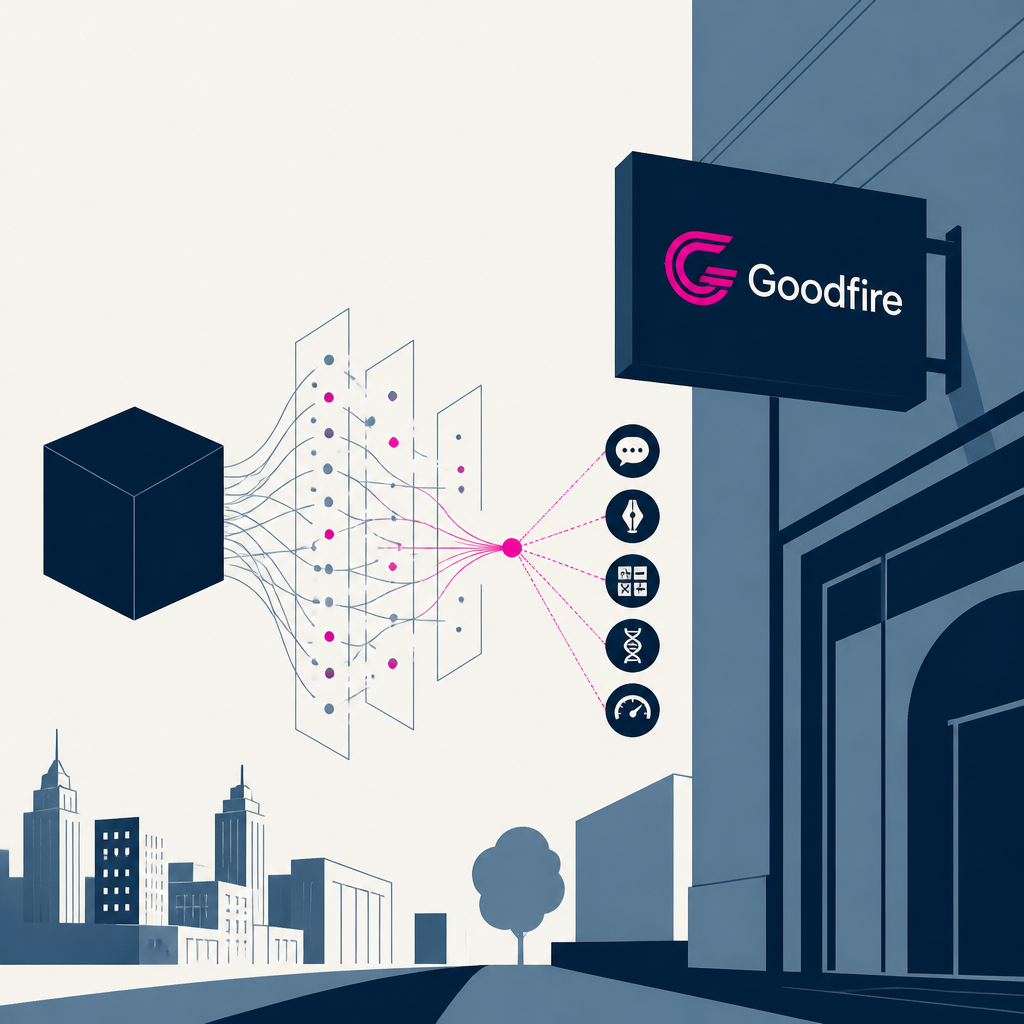
OpenAI just teamed up with Google researchers on something that sounds dry but matters a lot: a technique for actually looking at what's going on inside a neural network while it's making decisions. They're calling it activation atlases, and the pitch is simple. Instead of treating a trained model as a black box that spits out predictions, you can now visualize how combinations of neurons respond to different inputs, almost like a map of the concepts the network has learned to recognize.
This isn't the first attempt at cracking open neural nets, but the timing feels deliberate. AI systems are showing up in places where a wrong call has real consequences, think medical imaging, autonomous vehicles, content moderation. When one of these systems fails, the usual response is to shrug and retrain on more data. Activation atlases offer something better: a way to actually see which internal patterns led to a bad output, rather than guessing.
The collaboration angle is worth pausing on too. OpenAI and Google don't exactly share a playbook on openness or commercial strategy, so a joint interpretability project signals that both labs see this as a shared problem rather than competitive turf. Interpretability research doesn't sell products directly, but it underpins trust in everything that does.
What happens next depends on whether this becomes a standard diagnostic tool or stays a research curiosity. Visualizing neuron interactions is a start, not a solution. But being able to point at a specific cluster of activations and say that's where the model went wrong is a meaningfully different starting point than the field had before.
My take — AI-written commentary, not fact-checked reporting
I'll believe interpretability research changes anything the day a major lab delays a model launch because an activation atlas flagged something ugly. Until then, this is a genuinely useful diagnostic tool getting dressed up as a safety milestone, and the two things aren't the same. Still, credit where due, actually being able to see inside these systems beats the industry's default move of shipping first and explaining later.
Read more about this at: OpenAI