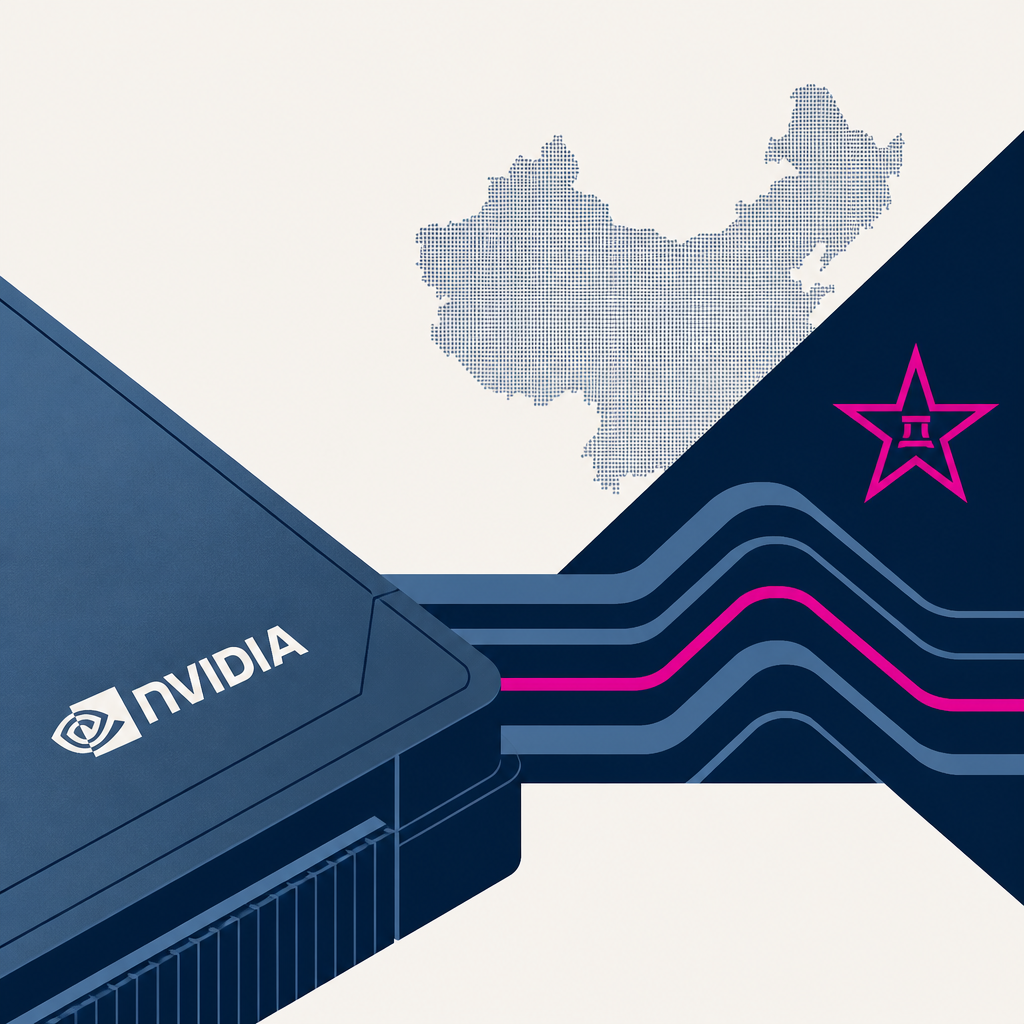
Experts worry about Nvidia's AI chip sales in China and influence over Trump
Ars Technica Ashley Belanger

Trump and Xi left AI rules mostly untouched, but China may let more Nvidia chips in. That could blunt US controls and hand Nvidia a fresh opening in a tense trade fight.
Based on reporting by Ars Technica, Ashley Belanger — read the original for the full story.
Summary, retelling and take written by AI under human oversight; images are AI-generated illustrations. How we work · Report an error
Donald Trump’s summit with Xi Jinping did not produce a big shift in AI policy. Export controls were not on the table, and neither side looked eager to give ground. The trade truce was only stretched for two months, which keeps the peace short and fragile. Analysts also expect fresh US controls could arrive soon enough to upset the arrangement and push China toward retaliation, possibly by cutting off rare earth exports.
But behind that brittle diplomacy, Nvidia may have gotten a better piece of news. China is considering easing restrictions and letting some of its biggest AI companies bring in more of Nvidia’s banned chips over the next year. The potential scale is not small: sources familiar with the talks told The Information that the country could allow imports of perhaps millions more chips.
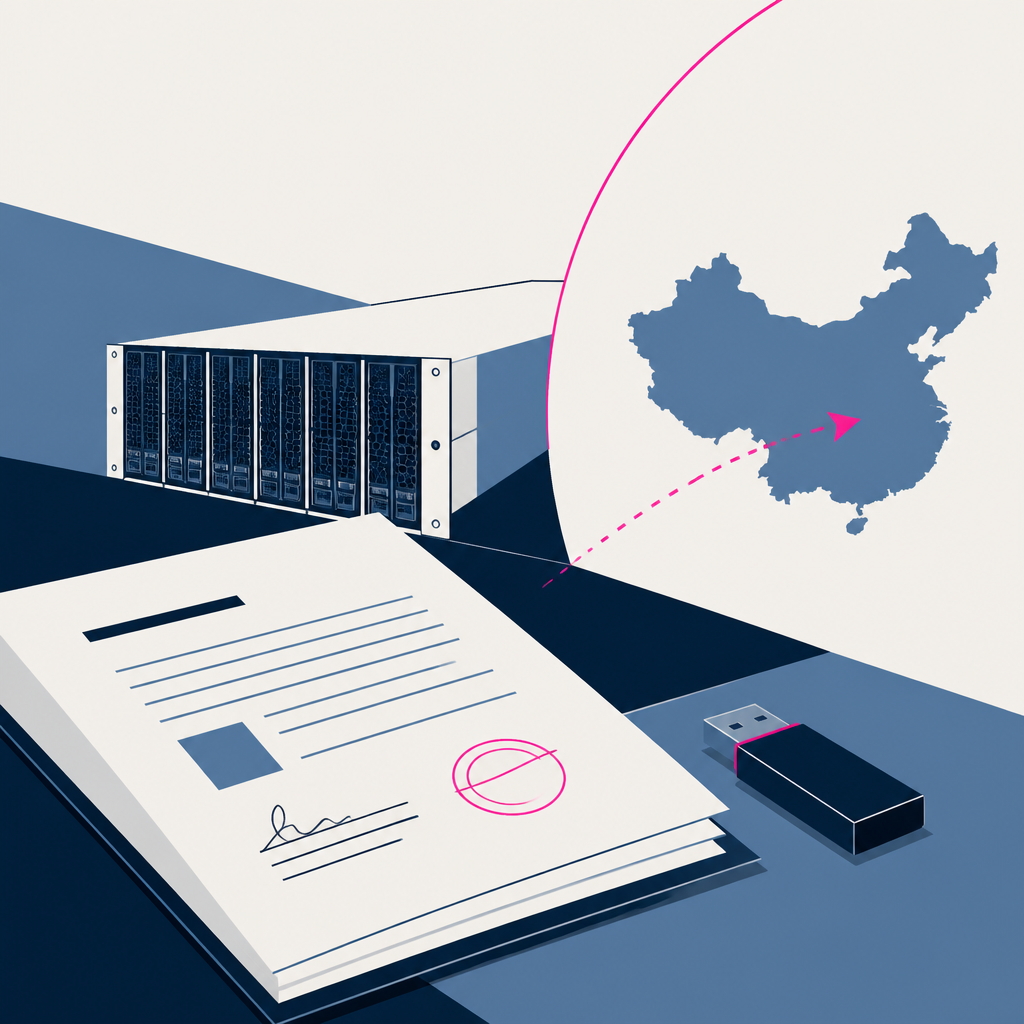
China’s Ministry of Industry and Information Technology has asked Alibaba and ByteDance to explain plans to buy Nvidia’s RTX Pro 5500 chips. On paper, those are gaming chips. In practice, China wants the companies to spell out how they would use them, with the expectation that they could be deployed in servers to support the country’s most sought-after AI models.
That is the awkward part of the story. The US is trying to tighten the screws on advanced chip exports, while China is probing for ways around the pressure without saying so outright. If those controls do come through, the result may not be a clean win for Washington. It could just be another turn in a trade fight where every policy move has a matching workaround.
My take — AI-written commentary, not fact-checked reporting
This is the usual Silicon Valley fantasy: sell the hardware, hope the politics sort itself out, and act surprised when they don’t. Nvidia keeps finding itself at the center of export-control theater because everyone still wants its chips, especially when the alternative is slower AI progress. The real problem is that “control” and “market access” are now fighting in the same spreadsheet.
Read more about this at: Ars Technica