CartAI Enables Autonomous Checkout Completion Across Merchant Sites
cartai.ai
CartAI just launched an API that lets AI agents finish checkout on almost any website, not just simulate browsing it. The twist: it cooperates with bot-detection systems instead of dodging them, so orders actually clear.
Based on reporting by cartai.ai — read the original for the full story.
Summary, retelling and take written by AI under human oversight; images are AI-generated illustrations. How we work · Report an error
There's a quiet but important distinction buried in CartAI's launch: browsing the web with an agent and actually buying something on the web are not the same problem. Plenty of tools can click around a page, fill a form, scrape some data. Very few can walk an AI agent all the way through checkout, subscription sign-up, or invoice payment and land on a confirmed transaction without silently failing somewhere in the middle. CartAI is betting its entire product on solving that narrow, unglamorous last mile.
The mechanics are straightforward on paper. A developer hits a single POST endpoint at api.cartai.ai/checkout with a customer profile, a target URL — say a specific Best Buy product page — shipping and payment details, and CartAI queues an asynchronous task that reports back via webhook. Under the hood, though, the company has built three pieces it considers non-negotiable: composable workflows that adapt to whatever shape a transaction takes (some need 3DS, some need login, some need neither), a PCI DSS-compliant card vaulting stack tied into emerging agentic payment protocols, and — the more interesting bit — cooperative bot mitigation.
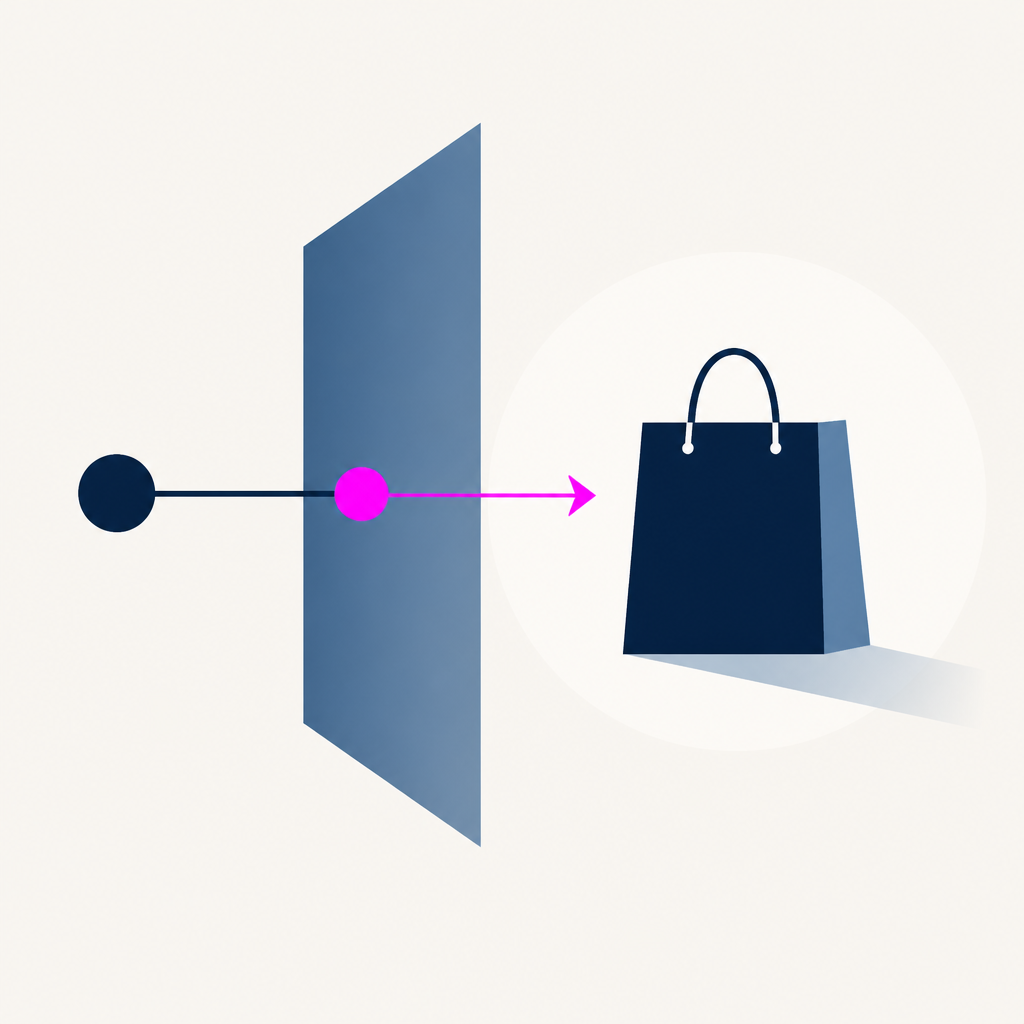
That last piece is a deliberate departure from how most automation tools operate. Instead of trying to slip past Cloudflare, Human, or Fingerprint, CartAI authenticates itself through Web Bot Auth and Skyfire's know-your-agent framework, essentially presenting signed credentials to the same trust infrastructure that guards major merchants. It's a bet that as agentic commerce scales, evasion becomes a losing game and cooperation becomes the only durable path to reliability.
CartAI ships in three forms — a raw API for teams that want full control, an open-source MCP server (Apache 2.0) so any Claude or Cursor-style agent can call checkout tools directly, and a hosted, embeddable cart for sites that never had transactional infrastructure at all. The company frames its use cases in three buckets: automating existing flows like billing and procurement, embedding transactions into new agent-native apps, and enabling commerce on surfaces — editorial pages, creator feeds — that historically had none. It's already piloted workflows across healthcare, travel, B2B SaaS, and telecom, though it's upfront that production-grade support varies by sector.
What CartAI is really selling isn't automation — everyone claims that. It's the promise that the transaction clears, every time, without merchants treating the agent as a threat. Whether that promise holds up outside sandbox demos and staged screenshots is the real test, and one only broad merchant adoption will settle.
My take — AI-written commentary, not fact-checked reporting
I like that CartAI picked cooperation over evasion — the agentic web breaks fast if every checkout bot is racing security vendors in an arms race nobody wins. But 'not staged, not simulated' claims deserve real scrutiny once this hits messy, inconsistent merchant sites at scale, not just a curated Best Buy demo. The interesting fight here isn't agents versus bot detection, it's who controls the trust layer agents transact through — and right now that's still up for grabs.
Read more about this at: cartai.ai