Atlas Joins Slack as an AI Coworker
WorkOS ● Covered by 4 sources
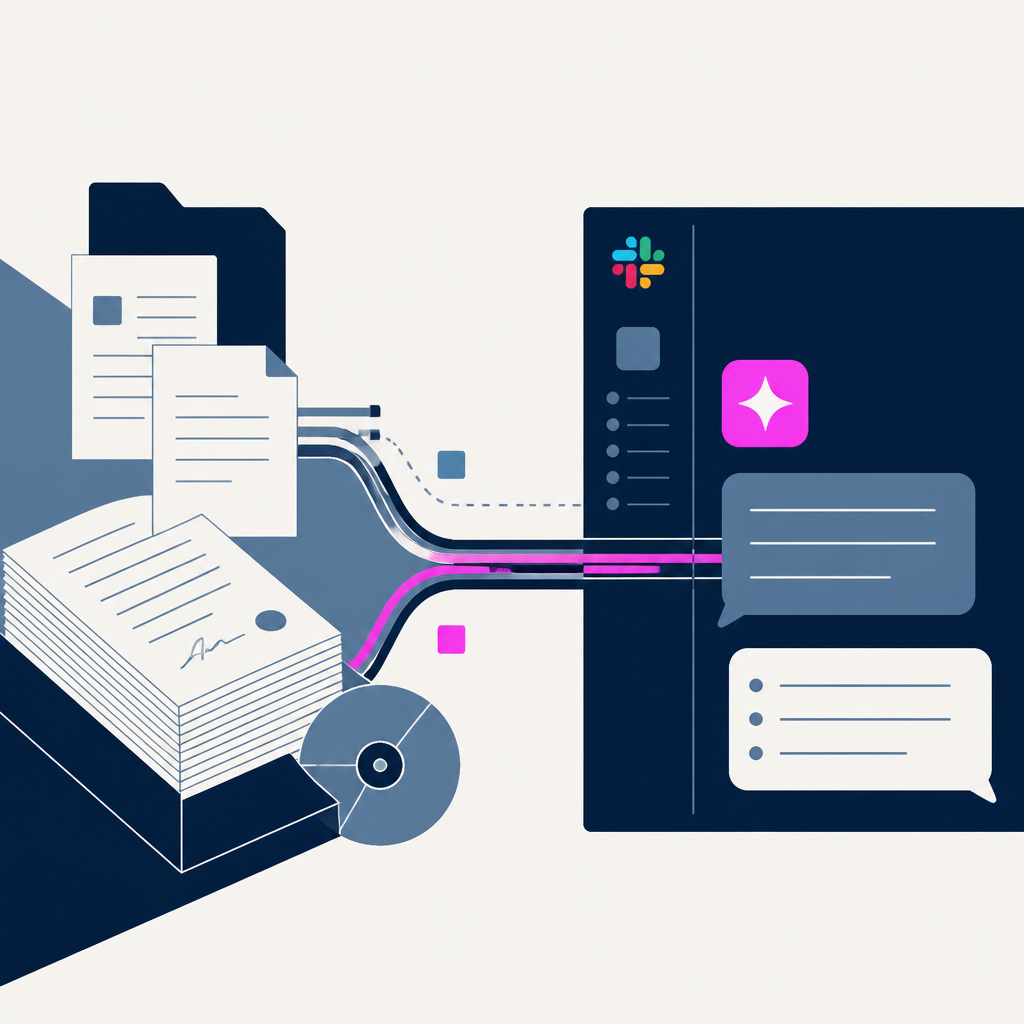
Atlas is a new AI bot that joins your Slack channels like a coworker, not a private chatbot only you can see. It plugs into 200+ tools at once and remembers corrections without retraining.
Based on reporting by WorkOS — read the original for the full story.
Summary, retelling and take written by AI under human oversight; images are AI-generated illustrations. How we work · Report an error
There's a new name showing up in Slack sidebars: Atlas. It's pitched not as another chatbot bolted onto your workspace, but as something closer to a coworker — one that sits in your DMs, channels, and threads, answering questions and picking up tasks as they come up.
The pitch that separates Atlas from the usual AI assistant is where it lives. Most AI tools operate in a private window only the person typing can see. Atlas instead works out in shared channels, the same ones a team already uses for standups and launch chatter. In the example the company shows, Atlas posts a morning standup update, a teammate flags a concern about soaking a rate-limit fix in staging overnight, and Atlas adjusts the plan on the spot — holding a go-live note until staging turns green, then posting it publicly so the whole team is working from the same information.
Under the hood, Atlas connects to more than 200 tools out of the box, and to anything else with an API. The idea is that a question touching several systems at once doesn't require jumping between them — Atlas pulls it together into a single answer. It also claims to learn a team's shorthand and priorities just by watching how people already talk, with no separate training step. Correct it once, the pitch goes, and that correction sticks.
Beyond the default assistant, teams can apparently spin up their own specialized AI teammates inside Atlas — give one a name, a job, and only the tools it needs, then @mention it like any other person in the channel. Setup is meant to be minimal: one click to add Atlas to Slack, approve the permissions Slack shows you, and it's usable with Slack alone before you ever connect a doc store or ticketing system.
Security-wise, Atlas runs on WorkOS, the same enterprise infrastructure a number of companies already use for identity and access management, and it's built to respect whatever permissions an organization has already set up. That's the kind of detail that matters more to IT admins than to the people chatting with it, but it's the piece that determines whether something like this actually gets rolled out company-wide instead of staying a side experiment.
My take — AI-written commentary, not fact-checked reporting
Putting the bot in the open channel instead of a private DM is the actually interesting design choice here — it turns AI from a personal cheat code into something the whole team can watch, correct, and build on. Whether that holds up once fifty people start @mentioning custom AI teammates in the same thread is another matter; shared visibility is great until the channel turns into noise. Still, an assistant that has to earn trust in public, in front of your coworkers, is a healthier default than the usual private-chat AI nobody else can audit.
Read more about this at: WorkOS