AI makes it “easier than ever” for adversaries to target U.S. military, experts say
CSET Georgetown Jason Ly ● Covered by 2 sources
Opinion — commentary, not a factual news event.
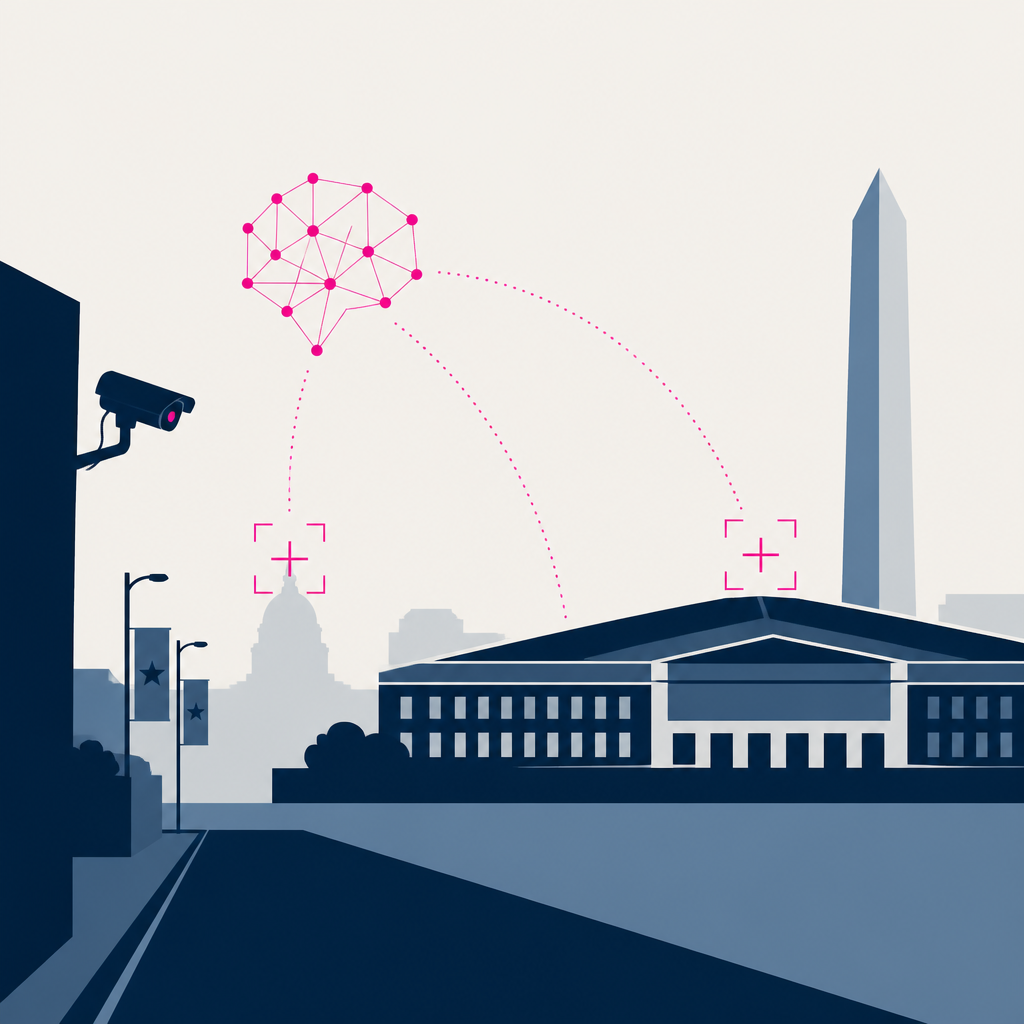
AI is making it easier for U.S. adversaries to spot what the military is doing. That means hiding activity is getting a lot harder.
Based on reporting by CSET Georgetown, Jason Ly — read the original for the full story.
Summary, retelling and take written by AI under human oversight; images are AI-generated illustrations. How we work · Report an error
Artificial intelligence is helping U.S. adversaries get a clearer read on what the American military is doing. That’s the warning from CSET’s Sam Bresnick, whose comments appeared in a CBS News article about Iran and other hostile states using AI across military, intelligence, cyber, and information operations.
The basic problem is simple: the same tools that can sift huge piles of data for useful patterns can also make it easier to watch, map, and interpret military activity. Bresnick’s point was blunt. What used to be easier to keep obscure is now much harder to hide.
That matters because secrecy has always been part of military advantage. If an adversary can understand movements, habits, or signals faster than before, the burden shifts to the U.S. side to disguise them better. And the source’s framing suggests this is not a niche cyber issue; it cuts across intelligence and information operations too.
The CBS piece is less about a single breakthrough than a broader shift in the balance between concealment and detection. AI doesn’t just help one side generate more content or automate more work. It can also help the other side see through the fog.
My take — AI-written commentary, not fact-checked reporting
This is the part of AI hype people keep sanding down until it looks harmless: the same systems that help you find things also help your adversary find you. The military likes clear lines and hidden moves; AI is very good at ruining both. Closed-door optimism won’t fix that.
Read more about this at: CSET Georgetown