
AI in Education
Schools, universities and edtech, where AI tutoring, assessment and academic-integrity questions reshape teaching.
Use cases
AI-generated text and academic-integrity detection Emerging
- Problem:
- Widespread use of generative AI for student writing makes it difficult for institutions to verify authentic student work, leading to disputed accusations and legal challenges.
- Capability:
- AI-text detection / stylometric and pattern-matching models
- Value:
- Helps institutions flag potential AI-generated submissions to preserve academic integrity, though value is undermined by reliability concerns.
Barriers: High-profile disputes (e.g., Yale lawsuit over GPTZero flags) show false positives, bias against non-native English writers, and lack of due-process safeguards, creating legal and trust risks; detection tools like Pangram claim improved accuracy but remain contested.
AI-powered teaching assistant for K-12 educators Emerging
- Problem:
- Teachers spend significant unpaid time on lesson planning, grading, and differentiating instruction, contributing to burnout and limiting time for direct student support.
- Capability:
- conversational agents / generative language models integrated with curriculum standards
- Value:
- Reduces lesson-prep and administrative workload, enabling teachers to align materials to state standards faster and focus more time on instruction, as seen with Anthropic's free Claude for Teachers rollout integrating with platforms like ASSISTments and Brisk Teaching.
Barriers: Requires district-level vetting for data privacy and student safety, integration with existing edtech platforms, and teacher training to trust and adopt the tool.
Assistive robotics for student independence and accessibility Experimental
- Problem:
- Students and individuals with mobility or physical impairments face barriers to independently interacting with their physical environment on campus or at home.
- Capability:
- computer vision and natural-language-controlled robotics (vision-language models for object detection and control)
- Value:
- Enables greater autonomy for users with disabilities by allowing natural-language control of assistive devices to identify and interact with objects like doors and cups, as demonstrated by the University of Pittsburgh's RAMMP project using Meta's DINOv3 and SAM models on edge devices.
Barriers: Requires specialized hardware, edge-device optimization, safety validation, and funding/infrastructure to deploy beyond research pilots.
Institutional AI-literacy and research capacity building Emerging
- Problem:
- Unequal access to AI education and research infrastructure across institutions—particularly under-resourced and minority-serving colleges—risks widening skills and opportunity gaps in the AI economy.
- Capability:
- AI curriculum design, applied research programs, and cross-disciplinary training initiatives
- Value:
- Builds broad-based AI literacy and research capability among students, faculty, and community members, helping institutions and their graduates participate in the AI economy rather than remain passive consumers, as shown by initiatives like NCCU's Institute for Artificial Intelligence and Emerging Research and the rapid growth of AI programs across U.S. colleges (1,000+ programs at 584 institutions).
Barriers: Requires sustained funding, faculty expertise, and infrastructure investment; systemic inequities in compute and resource access between well-funded and under-resourced institutions persist.
Leading vendors
Companies appearing most often in our recent Education coverage.
Recent developments
 AI Cheating is on the Rise
TLDR Dev · 21 hours ago ·
24
University of Manchester Uses NVIDIA Earth-2 to Forecast Air Pollution Across the UK
NVIDIA Blog · 2 days ago ·
50
AI Cheating is on the Rise
TLDR Dev · 21 hours ago ·
24
University of Manchester Uses NVIDIA Earth-2 to Forecast Air Pollution Across the UK
NVIDIA Blog · 2 days ago ·
50
 Trajectory as the Teacher: Few-Step Discrete Flow Matching via Energy-Navigated Distillation
Apple Machine Learning Research · 2 days ago ·
37
AI and data centers are incredibly unpopular in every poll
The Verge · 2 days ago ·
30
Trajectory as the Teacher: Few-Step Discrete Flow Matching via Energy-Navigated Distillation
Apple Machine Learning Research · 2 days ago ·
37
AI and data centers are incredibly unpopular in every poll
The Verge · 2 days ago ·
30
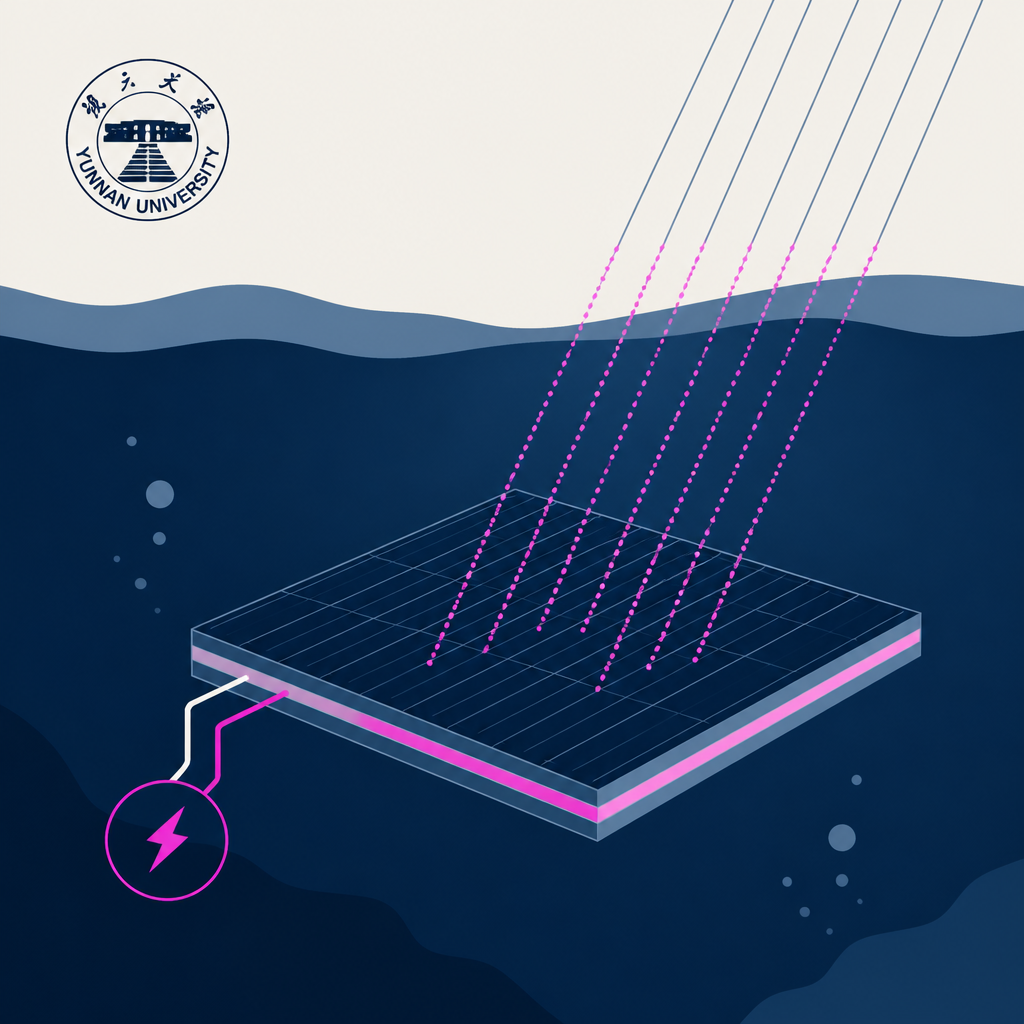 A new solar cell could generate electricity underwater
Ars Technica · 3 days ago ·
23
What is AI, how does it work and why are some people concerned about it?
BBC News · 3 days ago ·
39
The generative AI customization spectrum: From prompt engineering to custom models on AWS
Amazon Web Services · 3 days ago ·
12
Responsible AI for Higher Education
webinars.on24.com · 3 days ago ·
16
A new solar cell could generate electricity underwater
Ars Technica · 3 days ago ·
23
What is AI, how does it work and why are some people concerned about it?
BBC News · 3 days ago ·
39
The generative AI customization spectrum: From prompt engineering to custom models on AWS
Amazon Web Services · 3 days ago ·
12
Responsible AI for Higher Education
webinars.on24.com · 3 days ago ·
16
 Six months and 2,000 lessons later: what MuseCool has learned about music education
Tech.eu · 3 days ago ·
2
Teaching future scientists to interrogate AI tools for scientific discovery
Allen Institute (AI2) · 4 days ago ·
39
Six months and 2,000 lessons later: what MuseCool has learned about music education
Tech.eu · 3 days ago ·
2
Teaching future scientists to interrogate AI tools for scientific discovery
Allen Institute (AI2) · 4 days ago ·
39