
TLDR
·
6 days ago
Data access, rather than compute or talent, has emerged as the primary competitive moat differentiating AI model companies like Anthropic and OpenAI from larger tech incumbents. According to OpenAI engineer Will DePue, data spending across vendors is currently around $7 billion annually and could reach $70 billion by 2030 as public internet data becomes exhausted. The structural advantage in AI development will increasingly shift toward companies controlling proprietary datasets and the licensing deals to access them, rather than those simply owning computational infrastructure.

TLDR
·
6 days ago
Meta launched a paid API for its Muse Spark 1.1 AI model, marking its first serious commercial offering for non-open-source AI technology. The company priced access at roughly 25% of what OpenAI and Anthropic charge, leveraging its advertising revenue to undercut competitors and capture market share. This move signals Meta's attempt to diversify beyond its advertising-dependent business while maintaining control over AI technology after years of relying on other platforms.
TLDR
·
6 days ago
Meta's Muse Spark 1.1 model now offers a paid tier for developers at pricing approximately 25% of the cost of competing models. Zuckerberg characterized the model as having state-of-the-art agentic reasoning and tool use capabilities. The pricing strategy aims to undercut competitors while establishing a commercial revenue stream for Meta's AI division.
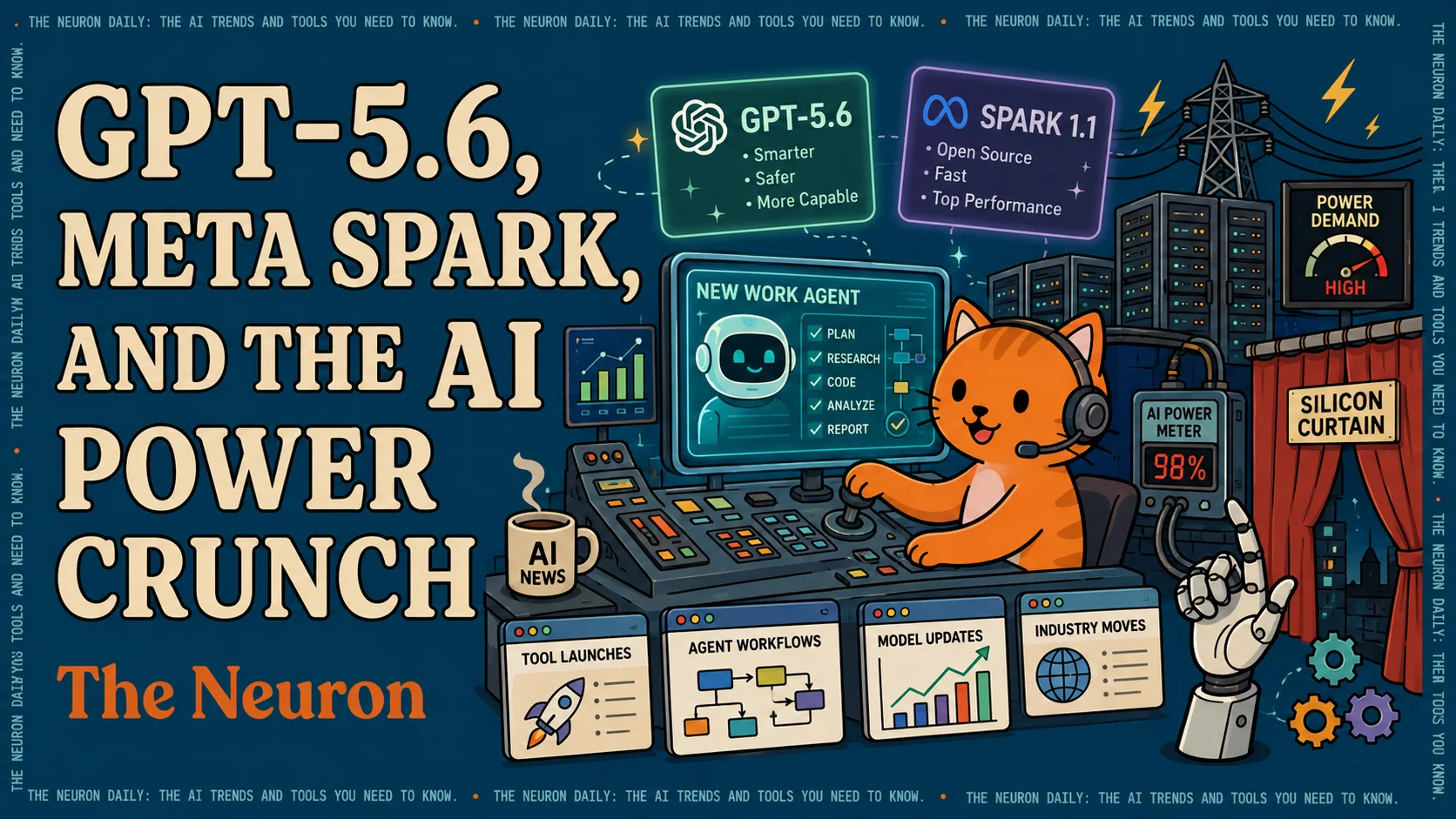
The Neuron
·
6 days ago
Meta released Muse Spark 1.1 through its public Model API with 1M-token context, tool use, and computer capabilities positioned as a direct challenge to OpenAI and Anthropic in coding agents. The model offers lower pricing than many competing frontier models while supporting multimodal reasoning and improved coding performance. Meta now competes directly for workflow automation, pushing other companies to defend their pricing and model positioning in the coding-agent market.
