JPMorgan reported weaker-than-expected revenue and earnings while Goldman beat estimates, as several other banks delivered mixed results and executives discussed a temporary IPO slowdown tied to market conditions. Wells Fargo reported revenue of $21.87 billion versus a $22.31 billion consensus and missed revenue despite meeting earnings estimates. Bank leaders said IPOs were being delayed rather than cancelled, and deal pipelines are expected to recover even as companies and investors adjust to valuations and interest-rate uncertainty.
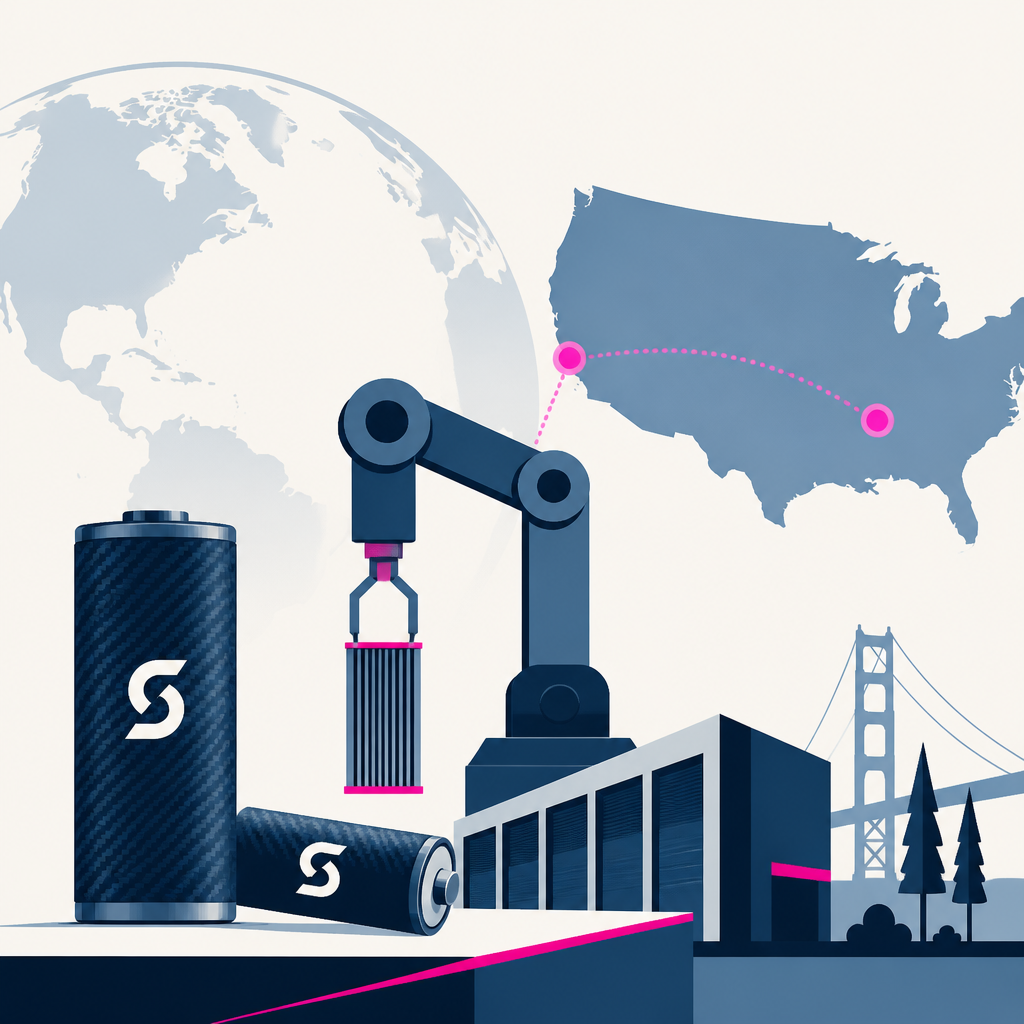
Skeleton Technologies announced a Siemens investment that increased its valuation to over $1 billion and targets US manufacturing and Silicon Valley R&D for AI data-centre power systems.
ASML reported record results but said its planned lithography machine production capacity for 2027 and 2028 will not meet demand from chip customers already placing orders for 2029 and 2030. Revenue reached €11.7 billion (about $13.4 billion) in the third quarter of 2026. ASML is responding by expanding capacity plans by 30 percent for 2027 and reassessing whether it can exceed another 30 percent for 2028.
Uvi raised $7.5 million to provide an infrastructure “context reasoning layer” so enterprise AI agents can understand company business context without relearning it from scratch each deployment. Uvi’s benchmarks say agent responses cost $0.75–$1.41 without the layer but drop to 10–16 cents when routing through Uvi. As a result, enterprises can run agents more cheaply and faster, with Uvi citing open-ended questions where it claims agents cost 46 times less and answer about twice as fast.
A coding-agent harness that added contract guides and executable feedback increased token use, time, and cost while the agent still met the same acceptance criteria in repeated trials. With GPT-6 Sol, the harness used 10.5 times as many tokens and took nearly 3 times as long, yet both harnessed and unassisted runs succeeded in all 10 runs. The result was no observable improvement in final application reliability, so the harness failed to justify its added cost in this setup.
ScaleFlux argues that smarter SSD and CXL memory controllers can reduce AI data-movement bottlenecks by using NAND flash as active memory for key-value cache offload. It cites GPU memory-speed gaps of about 37 to 40 times slower for DRAM and about 800 times slower for storage. As a result, AI workloads could place more frequently used data on NAND via intelligent controller-driven placement and writes rather than waiting on slower memory/storage paths.
Gemini 4 Argon was released globally as a GA coding model, with access expanding beyond an earlier claim about cybersecurity-only availability. Introductory API pricing is $2 per million input tokens and $10 per million output tokens, with cached inputs discounted 95% and rates scheduled to rise to $4/$20 after November 30. The rollout broadens where Argon can be used (API, Gemini apps/search, and developer tools) and drives new public benchmark and cost comparisons.
Block cut 40% of its staff while ramping AI automation, and Block CFO Amrita Ahuja said this kind of restructuring will spread as companies try to justify AI spend.
The spending level expected to exceed $730 billion this year is pushing companies to change workforce roles and what employees do with AI agents.
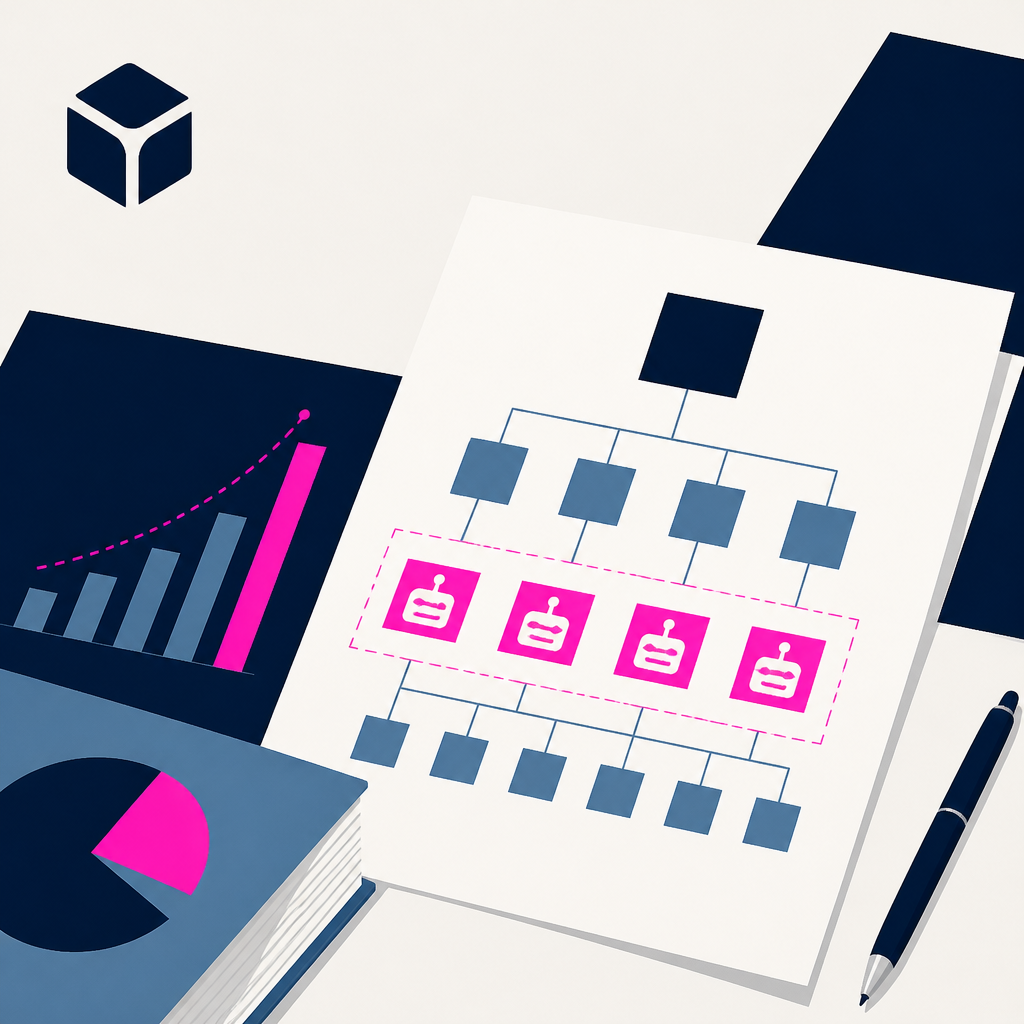
Organizational charts may start listing AI agents as units, with workers responsible for training and deploying them, and companies will increasingly measure ROI via adoption, efficiency, and revenue growth.
Every AI story that matters,
in your inbox by 8am.
TLDRocket reads all relevant sources, removes duplicate coverage, and summarises the
day in two minutes. Follow companies and topics for alerts, or get the
briefing in Slack. Free, no spam, unsubscribe anytime.
Reading TLDRocket needs no cookies, and the readership counts we rely on come from
our own cookieless analytics. Google Analytics is the exception: it sets cookies and
reports to Google, so it stays switched off until you allow it. You can change your
mind any time from “Cookie settings” in the footer.
Strictly necessary
Session security and form protection (tldrocket-session,
XSRF-TOKEN, 2 hours). The site cannot work without them,
so they need no consent.
Always on
Google Analytics 4 (_ga,
_ga_<id>, up to 2 years). Measures which
stories and sections readers use. Google acts as a third-party processor and may
store the data outside the EU. No advertising, no profiling, no data sold.