Why Silicon Valley is divided over China’s powerful, cheap AI models
Rest of World Viola Zhou ● Covered by 13 sources
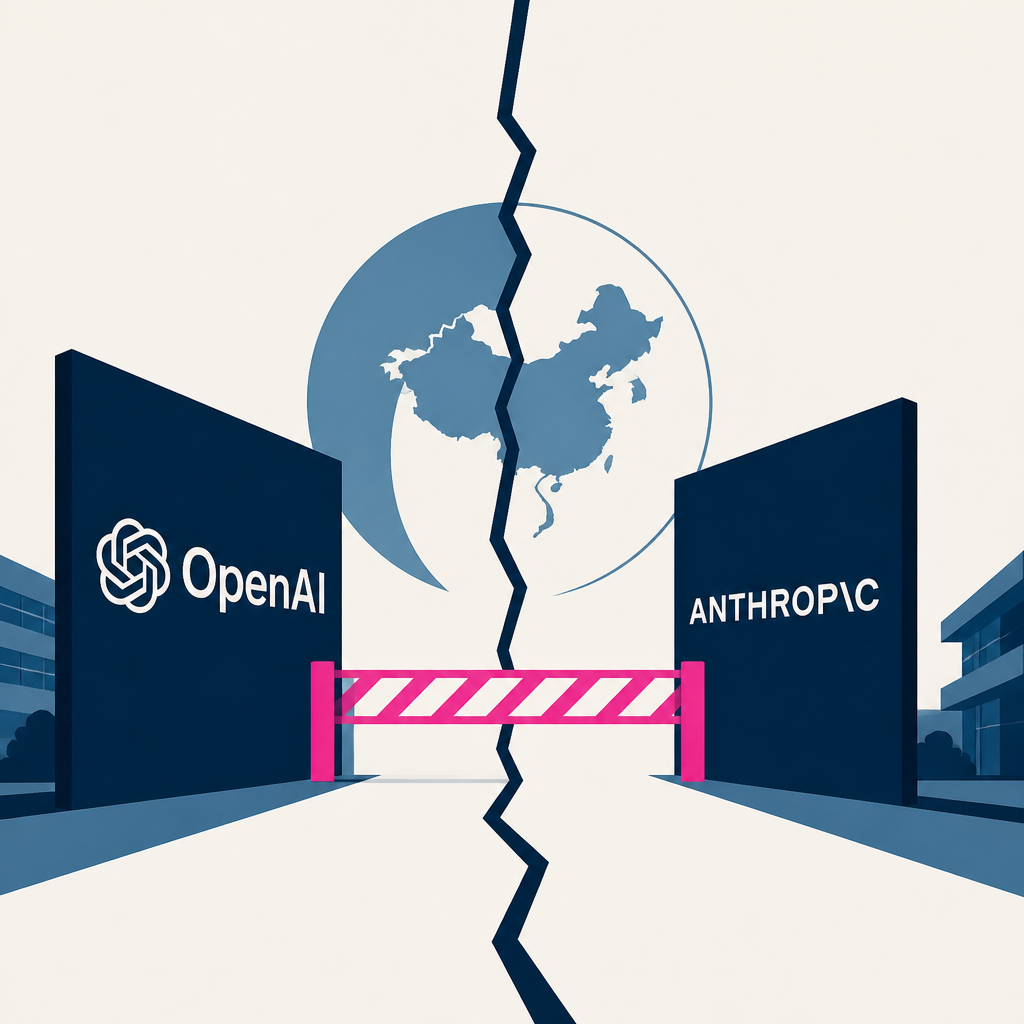
Chinese open-weight AI models are now genuinely competitive, and Silicon Valley can't agree on whether that's great or terrifying. Nvidia, Microsoft and even Sam Altman say embrace them; Anthropic says restrict them before China wins.
Based on reporting by Rest of World, Viola Zhou — read the original for the full story.
Summary, retelling and take written by AI under human oversight; images are AI-generated illustrations. How we work · Report an error
Kimi K3, a free-to-download model from Chinese lab Moonshot, currently sits fourth on Artificial Analysis's intelligence rankings — trailing only Anthropic's Opus 5, Fable 5, and OpenAI's GPT-5.6 Sol. That single data point explains why the debate over Chinese open-weight AI has stopped being theoretical and started being a real fight inside American tech and government.
The appeal is mostly about money. Open-weight models are free to download, though running them still costs compute, and plenty of U.S. developers are now routing simpler tasks to Chinese models to cut bills, or hosting them locally to avoid sharing data with outside vendors. Nvidia, unsurprisingly, loves this dynamic — more open models means a bigger customer base buying its chips. CEO Jensen Huang used his first-ever post on X, on July 24, to back an open letter defending open models; Microsoft, Google, Meta, and even OpenAI signed on. Sam Altman, whose company's open releases are smaller than China's, replied that he wants America to win in both open and closed AI, which is a fairly convenient position to hold either way.
Anthropic isn't playing along. Dario Amodei has warned that Beijing could use these models for military advantage or domestic repression, and that open weights are nearly impossible to guardrail against misuse in cyberattacks or bioweapons research. Lindy founder Flo Crivello made a blunter version of the same point on X: his own company uses DeepSeek, he admitted, but he still wants Chinese models banned because
My take — AI-written commentary, not fact-checked reporting
,
Read more about this at: Rest of World