
Why big AI labs are hiring so many philosophers
archive.is
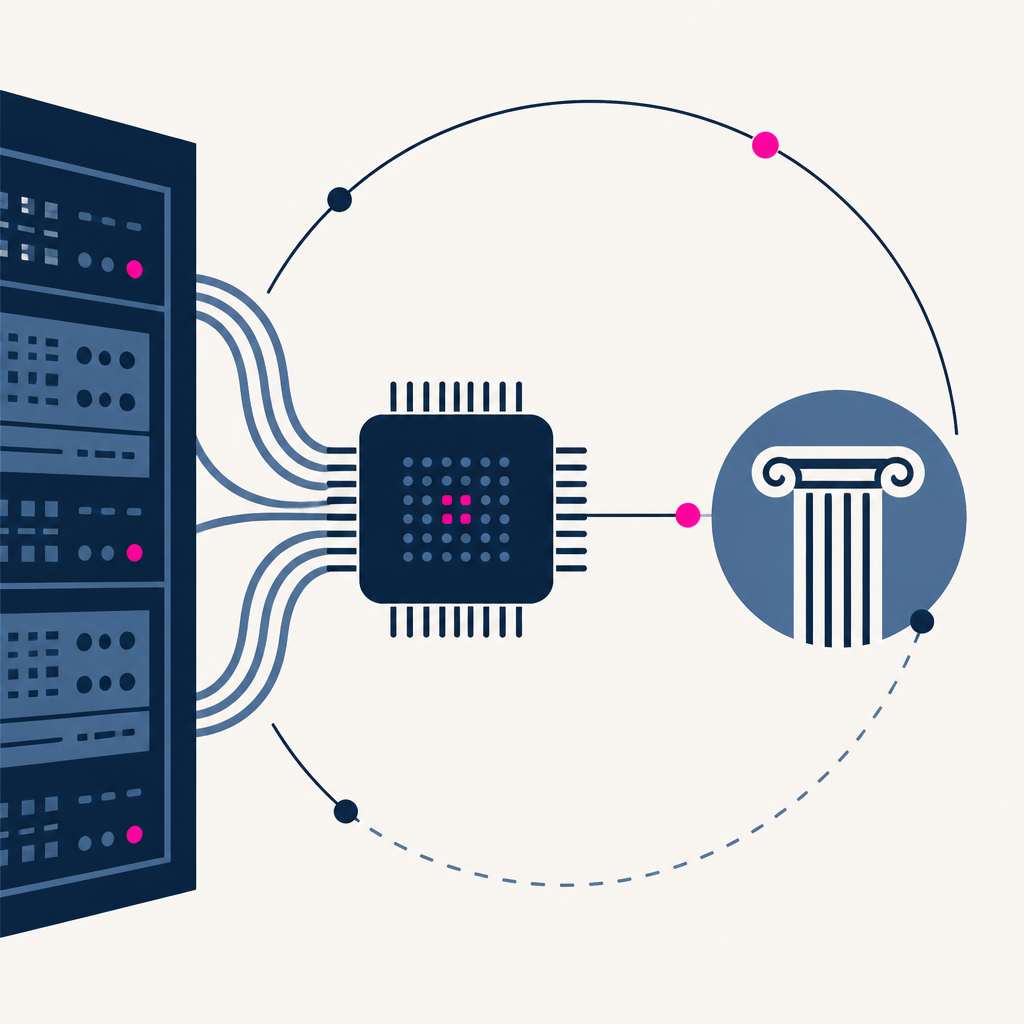
AI labs are quietly stacking up philosophy PhDs alongside engineers. Turns out teaching machines right from wrong needs people who've argued about that for centuries.
Based on reporting by archive.is — read the original for the full story.
Summary, retelling and take written by AI under human oversight; images are AI-generated illustrations. How we work · Report an error
There's a quiet hiring trend happening inside the big AI labs, and it isn't about scaling transformers or shaving milliseconds off inference. It's philosophers. People who spent years debating Kant, Mill, and trolley problems are now sitting in rooms with engineers, helping decide how a chatbot should respond when a user asks it something morally messy.
The logic makes more sense than it first sounds. Building a model that predicts the next token is one problem. Building a model that behaves well across millions of unpredictable human interactions is a completely different one, and it turns out to be closer to ethics than to statistics. Labs have realized that frameworks like deontology, which cares about rules and duties rather than outcomes, give them a structured way to reason about edge cases that pure engineering intuition tends to fumble.
What philosophers actually bring isn't a moral rulebook to bolt onto a model. It's the habit of interrogating assumptions, of asking why a proposed safeguard is right rather than just accepting that it feels right. That kind of critical reasoning is hard to hire for on a normal engineering track, and it's exactly what shows up when a model has to navigate contested ground: medical advice, political speech, self-harm, all the stuff without a clean technical answer.
And this isn't a token diversity hire or a PR gesture. It's a real career shift. People who once assumed a philosophy degree led to academia or, more cynically, nowhere in particular are finding themselves consulted on how frontier AI systems should weigh competing harms. The labs get better-reasoned guardrails, and philosophy departments get a new, slightly unexpected pipeline into the industry that's reshaping everything else.
My take — AI-written commentary, not fact-checked reporting
Honestly, this is one of the more sensible things AI labs have done lately, mostly because it admits engineers alone can't hand-wave ethics into an RLHF pipeline and call it solved. I'd rather have a deontologist arguing with a red-teamer than a policy doc written by committee. My only worry is that labs will treat this as reputational insurance rather than genuinely letting philosophers push back on decisions that affect billions of users.
Read more about this at: archive.is
Related stories
 AI professors are negotiating the new realities of academic research
MIT Technology Review · 1 month ago ·
13
AI evaluator: The most important AI job in history? How developers might fill the proposed new job
The New Stack · 1 day ago ·
41
The AI talent war is coming for Big Tech’s Asia executives
Rest of World · 6 days ago ·
23
AI professors are negotiating the new realities of academic research
MIT Technology Review · 1 month ago ·
13
AI evaluator: The most important AI job in history? How developers might fill the proposed new job
The New Stack · 1 day ago ·
41
The AI talent war is coming for Big Tech’s Asia executives
Rest of World · 6 days ago ·
23