The AI Hype Index: Unsexy AI
MIT Technology Review Charlotte Jee
MIT Tech Review's roundup pokes fun at AI's weird 2024 moment: dexterous robot hands, Grok's sketchy translation feature, and Meta's creepier glasses. Even as emissions from AI data centers keep climbing, chip workers in Korea are cashing bonus checks and suddenly popular on dating apps.
Based on reporting by MIT Technology Review, Charlotte Jee — read the original for the full story.
Summary, retelling and take written by AI under human oversight; images are AI-generated illustrations. How we work · Report an error
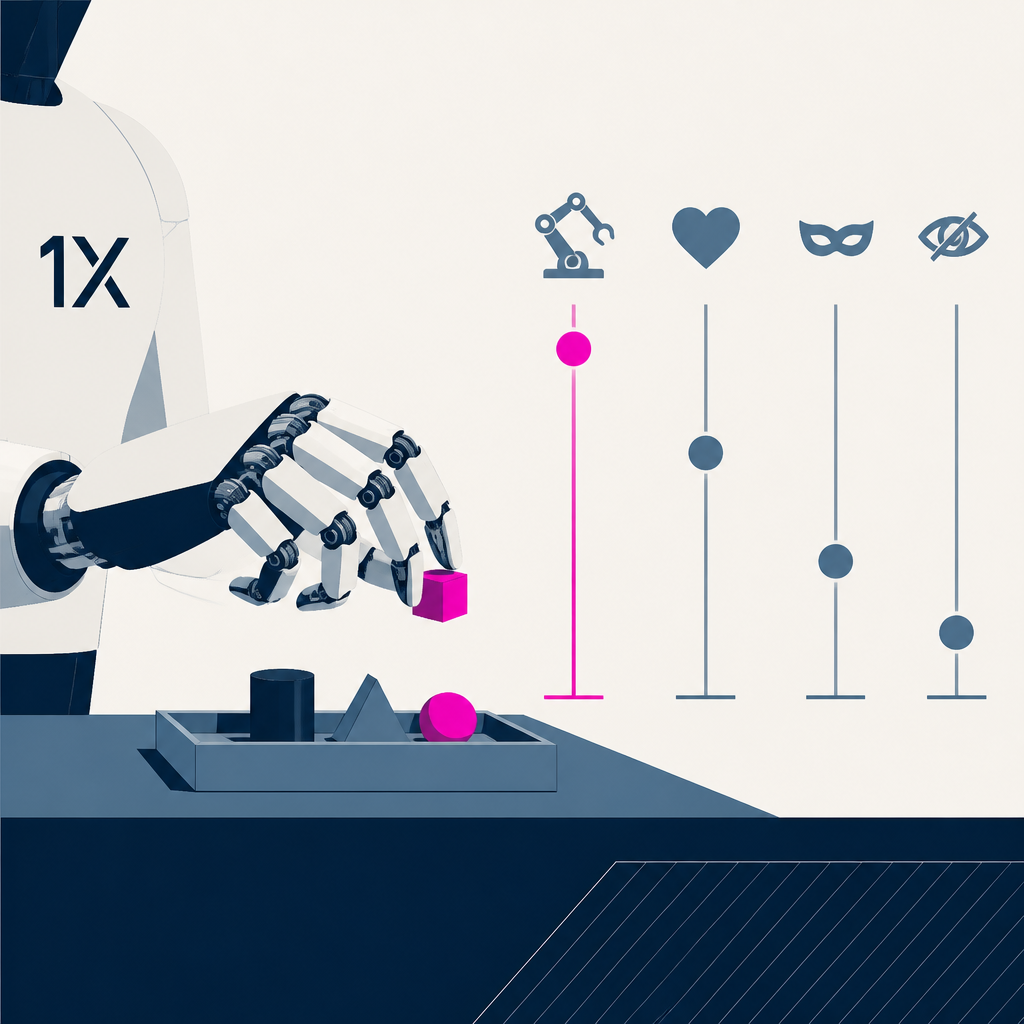
There's a particular kind of whiplash that comes from reading AI news these days, and MIT Technology Review's latest hype roundup captures it well. On one end you've got 1X unveiling robotic hands in July so dexterous that some people found them, genuinely, attractive. On the other end you've got Grok, the chatbot from Elon Musk's xAI, apparently equipped with a translation feature that keeps sliding into pornographic territory. Same industry, same news cycle, wildly different vibes.
Meta isn't helping matters either. Its smart glasses already raise privacy eyebrows, and reporting suggests the next version might lean even further into always-on surveillance-adjacent features. Pair that with the now-familiar drumbeat of stories about Big Tech's emissions climbing instead of falling, despite years of net-zero pledges, and you start to see why the piece frames so much of this moment as fundamentally unsexy. The robot hands got attention precisely because dexterity is rare and visually startling. Everything else on the list is the unglamorous cost of building that future: energy bills, leaky content filters, glasses nobody quite trusts.
And yet buried in the roundup is a genuinely funny detail: semiconductor workers in Korea, flush with massive bonuses tied to the AI chip boom, are apparently having a moment on the dating scene. Turns out when your paycheck reflects a global GPU shortage, your dating app matches go up too. It's a small, human counterpoint to all the abstract talk about AI stealing jobs or replacing dinner-making duties. For at least one group of workers, the AI boom is translating into something as old-fashioned as being more eligible.
What ties all of this together isn't a single technology trend so much as a mood. The public conversation about AI oscillates between existential dread (economists warning about job loss), mild disgust (creepy glasses, filthy translation bugs), and outright absurdity (bonuses fueling romance). None of it is the sleek, inevitable-feeling narrative the industry likes to sell. It's messier, funnier, and more human than that — which, honestly, feels more accurate to where AI actually stands right now.
My take — AI-written commentary, not fact-checked reporting
I'll say what nobody in Silicon Valley wants to admit: most of AI's real footprint right now is embarrassing, not impressive. Sexy robot hands get the headlines, but skyrocketing emissions and glasses that make strangers nervous are the actual substance of 2024's rollout. If the industry wants trust, it should worry less about dexterity demos and more about the unglamorous stuff it keeps quietly getting worse at.
Read more about this at: MIT Technology Review