Texas city demands $2M for public records on Flock usage
Ars Technica Ashley Belanger

A Texas suburb wants $2.3 million before it hands over records on Flock camera use. The fee claim says a terabyte of emails would take 14 years to search.
Based on reporting by Ars Technica, Ashley Belanger — read the original for the full story.
Summary, retelling and take written by AI under human oversight; images are AI-generated illustrations. How we work · Report an error
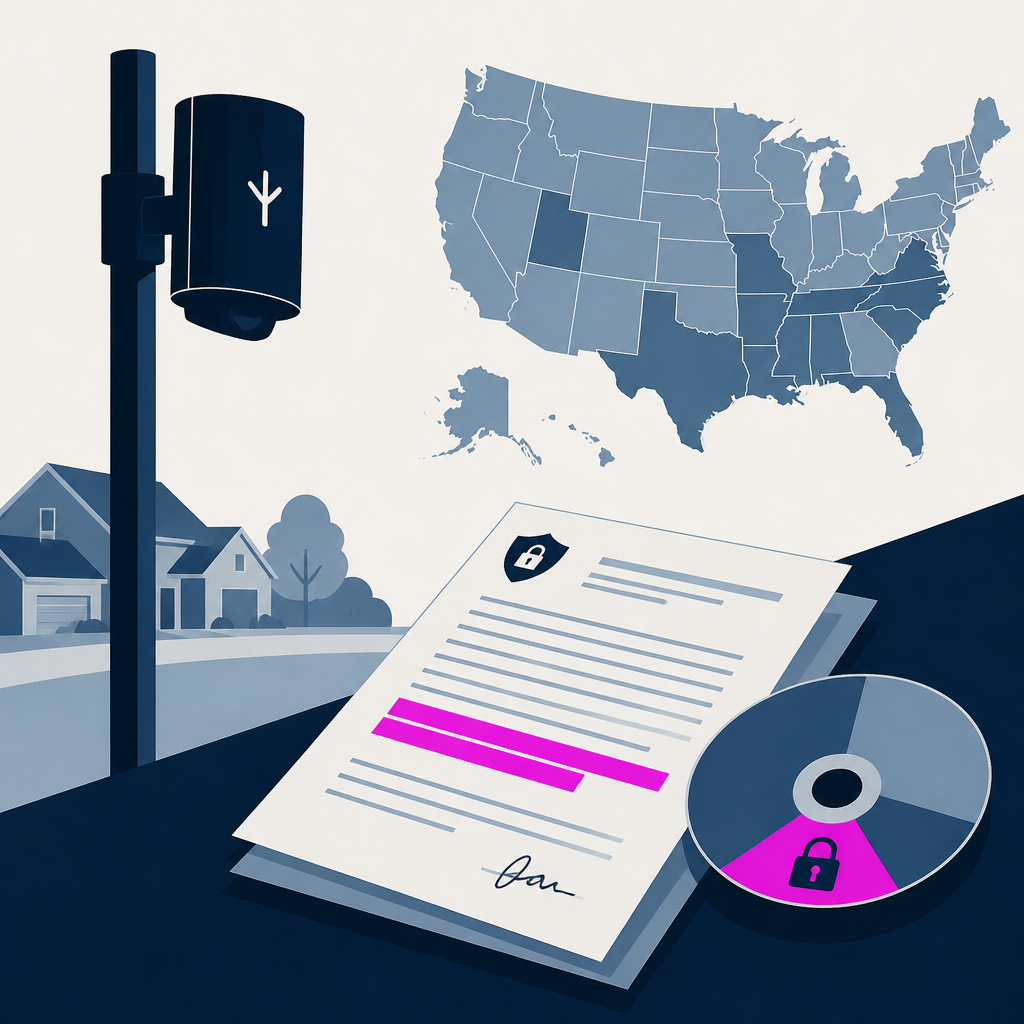
A fight over police surveillance just got a price tag attached to it. In North Richland Hills, a Fort Worth suburb, city officials told one requester they would need to pay $2.3 million before the city would release public records about Flock, the AI-powered camera system that tracks vehicles passing by.
The request came as backlash against Flock is building from both bipartisan critics and anti-surveillance groups. And the scale of the fee is the point: the city said sorting through “about a terabyte worth of communications about errors, misuse, and effectiveness of the Flock system” would require roughly 14 years of work.
That estimate was based on a labor rate of $15 an hour, according to the Texas Tribune. The requester, Phil Mynona, filed the request under a pseudonym for the Texas Privacy Coalition.
Mynona called the price “ludicrous” and said it looked designed to block public records searches. That’s the ugly trick here: a records request can be denied in practice without ever being denied on paper.
The story is less about one city’s spreadsheet theater than about how expensive transparency can become once surveillance tools are involved. If getting the records costs more than most people can dream of paying, the public gets the bill and the police get the silence.
My take — AI-written commentary, not fact-checked reporting
This is the oldest anti-transparency move in the book: slap a monstrous fee on the file and pretend the problem is paperwork. Cities love surveillance until someone asks for the receipts. Then suddenly the records are apparently stored on a glacier.
Read more about this at: Ars Technica