“Tech and Tariffs” Campaign: Influence activity targeting US tech policy
OpenAI ● Covered by 2 sources
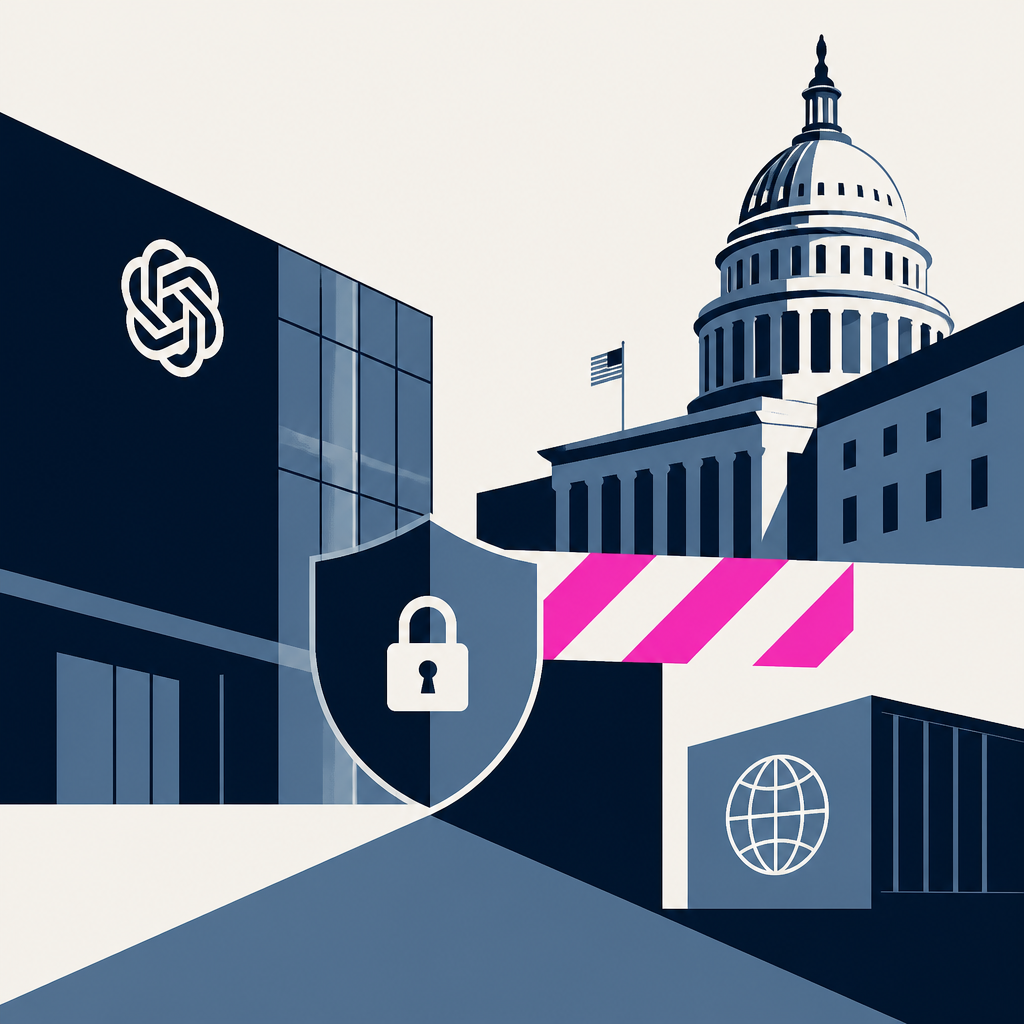
OpenAI banned accounts likely tied to China for using ChatGPT to churn out fake comments and cartoons about US tech policy and tariffs. It's another sign AI is quietly fueling propaganda campaigns nobody sees until it's flagged.
Based on reporting by OpenAI — read the original for the full story.
Summary, retelling and take written by AI under human oversight; images are AI-generated illustrations. How we work · Report an error
OpenAI dropped its latest threat report this week, and buried in it is a campaign the company calls 'Tech and Tariffs' — a batch of accounts, likely operating out of mainland China, that used ChatGPT to mass-produce social media comments and political cartoons about American trade restrictions and semiconductor export controls. The output wasn't subtle exposition. It leaned into emotionally charged framing designed to look like organic outrage from ordinary online commentators, not state messaging.
What's notable here isn't the existence of the operation itself — influence campaigns targeting US tech and trade policy are hardly new, and China has run plenty of them through more traditional means. It's the tooling. Instead of hiring writers or running troll farms with human copy editors, whoever ran this campaign apparently used a commercial AI chatbot to draft comments at scale and generate cartoon imagery meant to spread across platforms like X and Facebook. That's a meaningful shift in production cost, even if the actual reach OpenAI describes stayed limited and the accounts got caught.
OpenAI says it identified the activity through its own abuse-detection systems and pulled the accounts before the campaign gained real traction. The company has been publishing these takedown reports periodically for over a year now, and the throughline across them is consistent: state-linked or state-adjacent actors, from Russia to Iran to China, keep testing whether generative AI can make propaganda cheaper and faster to produce, and OpenAI keeps finding and banning the accounts once patterns emerge.
The tariffs angle is the interesting wrinkle. Rather than pushing a single ideological line, the content appears to have amplified anti-restriction sentiment specifically tied to the ongoing US-China chip and trade fight — the kind of narrative that benefits from looking like grassroots American frustration rather than foreign messaging. Whether it moved any needle on public opinion is unclear and probably unknowable. But the attempt itself tells you where propaganda production is headed: less about big, expensive campaigns, more about volume, iteration, and blending in.
My take — AI-written commentary, not fact-checked reporting
I don't think this is the last of these reports we'll see, and I'd bet the ones that get caught are the clumsy ones — the operations with actual discipline probably don't leave fingerprints an AI company's abuse team can spot. What worries me more than China specifically is that this playbook is now cheap enough for basically anyone with an API key and a grudge, and platform-level whack-a-mole isn't a strategy, it's a delay tactic.
Read more about this at: OpenAI